

)
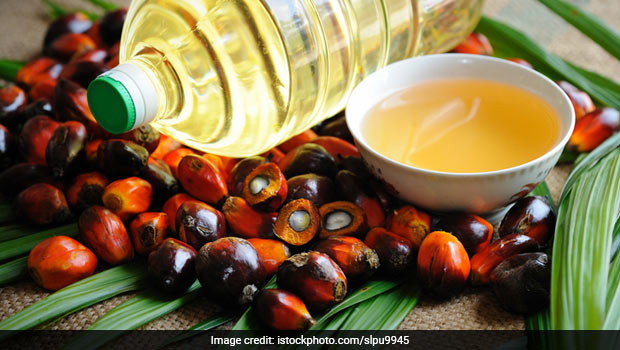
Palm oil remains one of the world's most commonly used vegetable oils and is a common ingredient in packaged products. The widespread use of the ingredient makes its way into your daily diet in one form or another. Thus, knowing what it is, what health issues it can cause, and why knowing the ingredient matters. Palm oil is a type of condensed vegetable oil that is extracted from the fruit of the oil palm. The formulation of palm oil contains triglycerides, which means that those who are at risk of heart disease and those with existing heart-related illnesses need to regulate their dose. Research mentioned in the World Journal of Cardiology mentions that palm oil contains a mixture of saturated and unsaturated fatty acids, but it also contains antioxidants. The exact health impact of palm oil depends on the processing level and overall dietary patterns of the individual.
What Is Palm Oil?
Palm oil is extracted from the fruit of the oil palm tree and is cultivated widely, but it also drives tropical deforestation and causes significant environmental impact. Most palm oil contains palmitic acid but also oleic acid, linoleic acid, vitamin E, and carotenoids, which could balance its health impact. But the overall consumption of the ingredient impacts your health over a course of time.
Types Of Palm Oil
The different types of palm oil depend on the processing level, as they could be classified into the following:
- Crude or red palm oil: The beneficial components in palm oil, such as carotenoids and vitamin E compounds, get filtered out during the refining process.
- Refined palm oil, or RBD, is used as a cooking oil and in most food products, but it contains low levels of carotenoids.
- Palm kernel oil is extracted from the seed of the palm fruit and contains different types of fatty acids than palm oil.
Palm Oil Nutrition Facts
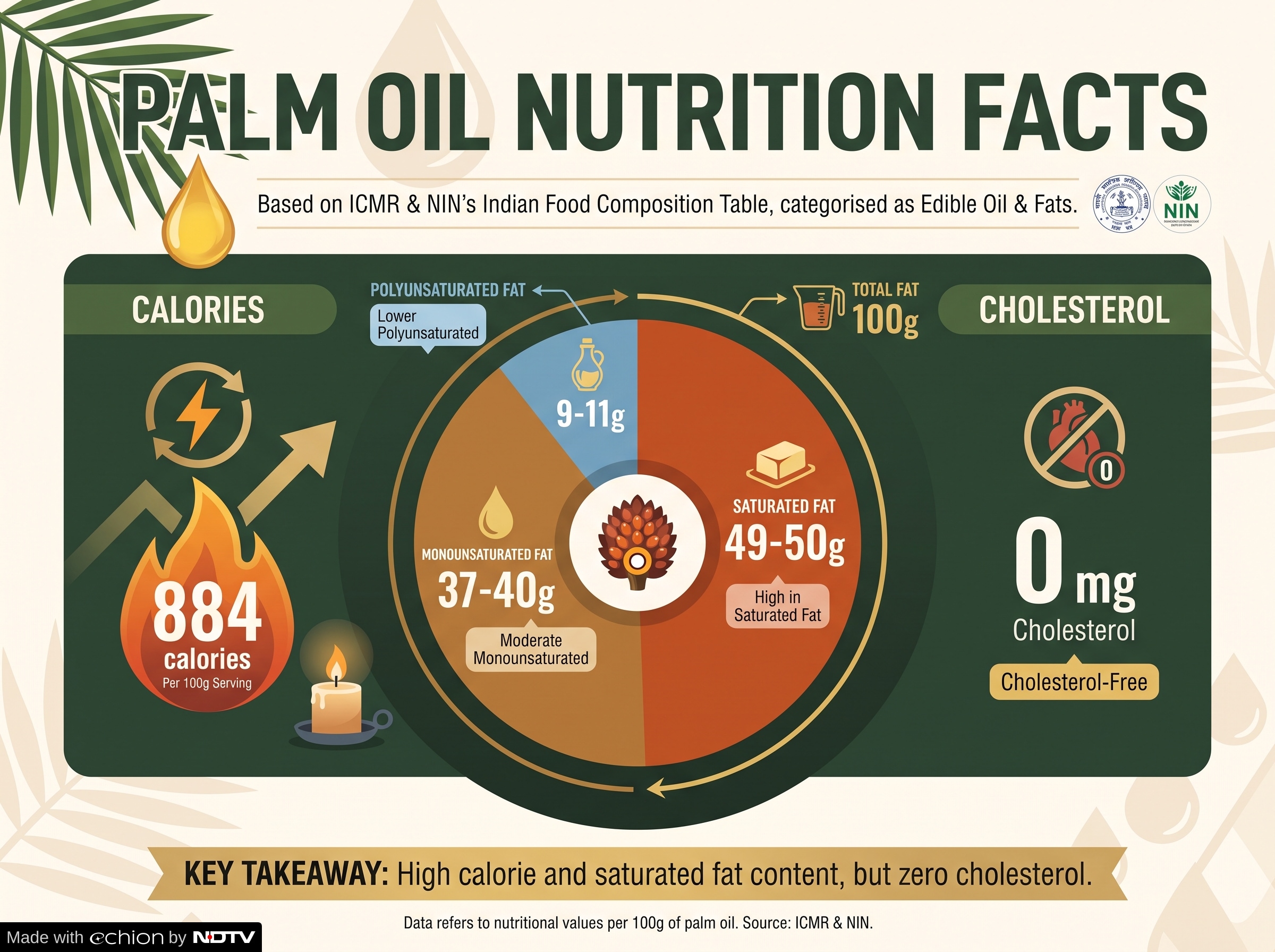
The Indian Council of Medical Research (ICMR) and National Institute of Nutrition (NIN) have categorised palm oil under the edible oil and fats label of the Indian Food Composition Table, and this standardised nutrient database for India mentions these nutritional values:
- Calories: 884 calories
- Total fat: 100 g
- Saturated fat: 49-50 g
- Monounsaturated fat: 37-40 g
- Polyunsaturated fat: 9-11 g
- Cholesterol: 0 mg
Even though the cholesterol level in palm oil is 0 as per the nutritional facts, the reuse of the same batch and reheating can change this significantly. Dr Subham Vashya, Senior Consultant Gastroenterologist and Hepatologist, New Delhi, has highlighted this change in nutritional and health impact with regard to gut health, as long-term consumption of refined palm oil can impact the gastrointestinal lining in the stomach.
Health Benefits Of Palm Oil
The minimal health benefits of palm oil are related to its form used in packaged food products, as it is richer in the following nutritional aspects:
- It is rich in antioxidants such as tocotrienols and tocopherols, which may help reduce oxidative stress.
- It could also provide vitamin A if the form of it is red palm oil containing carotenoids.
- Palm oil could also provide monounsaturated fats alongside saturated fats when consumed moderately.
- The International Journal of Molecular Sciences found that the presence of tocotrienols could offer some protection to your brain.
Is Palm Oil Bad For Your Heart?
The American Journal of Clinical Nutrition says that there is mixed evidence with regard to its impact on your heart. If your overall dietary pattern contains packaged foods or ultra-processed foods that contain refined palm oil for a prolonged period, then it could turn into high cholesterol.
Who Should Be More Careful?
Those who need to be especially careful of their palm oil consumption are people who have been diagnosed with high cholesterol.
Note: Those who have a high risk of heart disease also need to be careful of their palm oil consumption.
Possible Side Effects Of Palm Oil
The side effects of palm oil are many, but understanding that reusing and refining the naturally extracted fat into a health-harming ingredient is necessary. These side effects can harm your health in various ways, and looking at the food label of your daily consumed food products is necessary to avoid them.
- It can cause an excess amount of saturated fats in the body, raising bad cholesterol.
- Possible weight gain from too much palm oil can also happen.
- Repeated heating due to mass usage of a single batch of palm oil can change the health impact.
- A rare possibility of allergic reactions is possible, even though it is rare.
How Much Palm Oil Is Safe To Eat Daily?
The World Health Organization (WHO) and heart health-related clinical guidelines have suggested that your overall intake of saturated fat should be less than 10% of the total daily calories. To keep your consumption level of palm oil balanced and avoid dealing with the side effects, here are the tips that you need to follow:
- Practise moderation over complete elimination.
- Balancing your intake with nuts, seeds and unsaturated cooking oils such as olive oil, fresh mustard oil and avocado oil is necessary.
- You must avoid reheating the oil, as it could change its impact on your health.
- Limit your intake of ultra-processed foods to avoid eating too much palm oil.
- Set a time limit on a monthly basis and change your cooking oil at home for balance.
The consumption of palm oil is not actually harmful, but how you eat it, how much you consume, and the form of its intake can influence its health impact.
Also Read: Does Stress Increase Cholesterol Directly, Or Is It Your Diet? Doctor Explains Both Pathways
Disclaimer: This content including advice provides generic information only. It is in no way a substitute for a qualified medical opinion. Always consult a specialist or your own doctor for more information. NDTV does not claim responsibility for this information.