

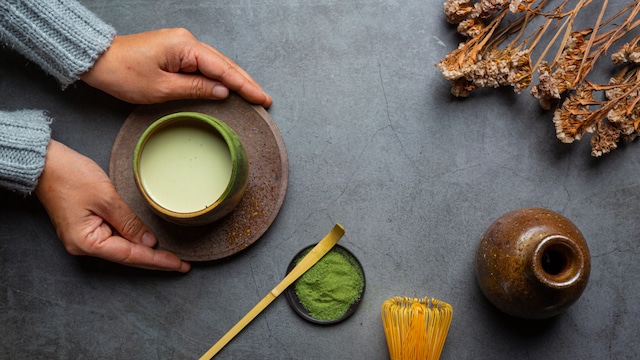
Matcha has become a popular drink among people looking for a healthier alternative to regular tea or coffee. It is made from finely ground green tea leaves and has naturally occurring compounds such as caffeine, L-theanine, catechins and polyphenols. Dr Saurabh Sethi, in a recent Instagram video, explained what may happen in the body when matcha is consumed every day. According to him, its effects may extend from the brain and heart to blood sugar, gut health and the liver.
However, drinking matcha every day does not mean that everyone will experience the same benefits. Its effects can depend on the amount consumed, the way it is prepared and a person's overall diet and health. Matcha contains caffeine, so excessive intake may cause problems such as restlessness, headaches or disturbed sleep in some people. However, when consumed in moderation, its plant compounds can be part of a healthy diet. Here is what Dr Sethi highlighted about its possible effects on the body.
Benefits Of Drinking Matcha Everyday
1. May Improve Alertness And Focus
He said, "Matcha contains caffeine and L theanine, which can improve alertness, attention and focus."
Matcha contains both caffeine and L-theanine. These are compounds that may influence brain function. Caffeine is a stimulant that can increase alertness and help a person feel more awake. L-theanine is an amino acid naturally found in tea and has been studied for its potential effects on relaxation and attention. According to Dr Sethi, the combination of caffeine and L-theanine in matcha can improve alertness, attention and focus. However, matcha still has caffeine, hence, having it late in the day may impact sleep, especially in people who are sensitive to caffeine.
2. May Support Heart Health
Dr Sethi said, "Matcha is rich in catechins which can help lower ldl, that is the bad cholesterol."
Matcha is rich in catechins which is a group of plant compounds with antioxidant properties. One of the most studied catechins in green tea is epigallocatechin gallate (EGCG). Dr Sethi said that the catechins in matcha can help lower LDL cholesterol which is also known as "bad" cholesterol. High LDL cholesterol can lead to the buildup of fatty deposits in the arteries and increase cardiovascular risk over time.
3. May Help With Blood Sugar Management
"Matcha contains polyphenols that can improve glucose metabolism," said Dr Sethi.
Matcha also contains polyphenols which are naturally occurring plant compounds that have been studied for their potential metabolic effects. According to Dr Sethi, these compounds may help improve glucose metabolism. Glucose is the body's main source of energy, and the way the body processes it is important for maintaining healthy blood sugar levels. This does not mean that matcha can prevent or treat diabetes on its own.
4. May Benefit The Gut Microbiome
The gut contains trillions of microorganisms which are known as the gut microbiome. These bacteria and other microbes play a role in digestion, immunity and several other aspects of health. Dr Sethi said that the plant compounds in matcha may benefit the gut microbiome. Polyphenols and other compounds in tea can interact with gut bacteria, although the exact effects can vary from person to person.
5. May Protect Liver Cells From Oxidative Stress
Dr Sethi said, "Matcha provides antioxidants that can help protect cells from oxidative stress."
The liver performs several important functions, including processing nutrients, storing energy and helping remove harmful substances from the body. Protecting liver cells from damage is therefore important for overall health. Matcha provides antioxidants, which can help the body deal with oxidative stress. Dr Sethi said these antioxidants may help protect cells from oxidative stress. While this is a potential benefit, matcha should not be viewed as a liver detox drink or a treatment for liver disease.
Disclaimer: This content including advice provides generic information only. It is in no way a substitute for a qualified medical opinion. Always consult a specialist or your own doctor for more information. NDTV does not claim responsibility for this information.