

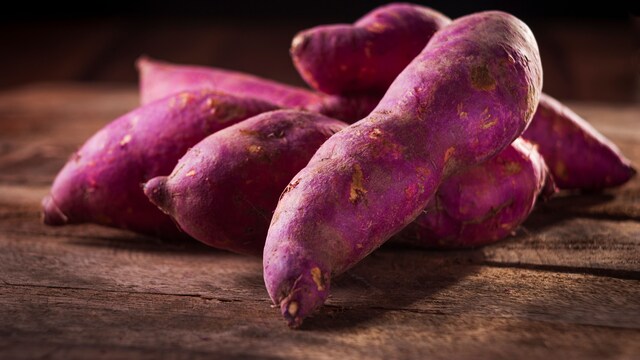
A nutritionist has shared a simple food tip for people managing diabetes. In an Instagram post, Anjali Mukherjee shared how sweet potatoes can fit into a balanced diet without sacrificing taste.
“Sweet potato can be a nutritious addition to a balanced diet, even when you're managing blood sugar…,” the post read.
Mukherjee highlighted the nutritional benefits of sweet potatoes, which are rich in fibre, potassium and beta-carotene. The fibre in sweet potatoes, especially when the skin is left on, can slow digestion and help keep blood sugar rising more steadily.
“I love sweet potato because it has resistant starch…it helps in managing blood sugar..,” she said in a clip posted on her account. According to her, the vegetable can be a healthy addition to meals, provided you eat it in appropriate portions.
“Butter has good fat… so the combination of these two ...lowers the glycemic index of the already low carbs in sweet potato…,” she explained. Glycemic index (GI) is a measure of how quickly a food can make your blood sugar (glucose) rise. Food items with simple carbohydrates tend to have a higher GI, which can impact sugar levels in diabetic people, according to MedPlus.gov website.
“It (the snack) also lowers the LDL…or the bad cholesterol…,” Mukherjee explained the benefits of sweet potato. “Sweet potato reduces fibrinogen ... which acts like an aspirin... and lower fibrinogen acts like a blood thinner ... and reduces the risk of blood clots...,” she further explained, noting that sweet potato can also contribute to protecting heart health.
Diabetes is a condition that happens when a person's blood sugar is too high. It affects people of all ages. In people with diabetes, excess glucose builds up in the blood because the body cannot produce enough insulin or use it properly. Over time, high blood sugar can damage blood vessels, nerves, kidneys and eyes, leading to health complications, the Cleveland Clinic website explains.
Disclaimer: This content including advice provides generic information only. It is in no way a substitute for a qualified medical opinion. Always consult a specialist or your own doctor for more information. NDTV does not claim responsibility for this information.