

)
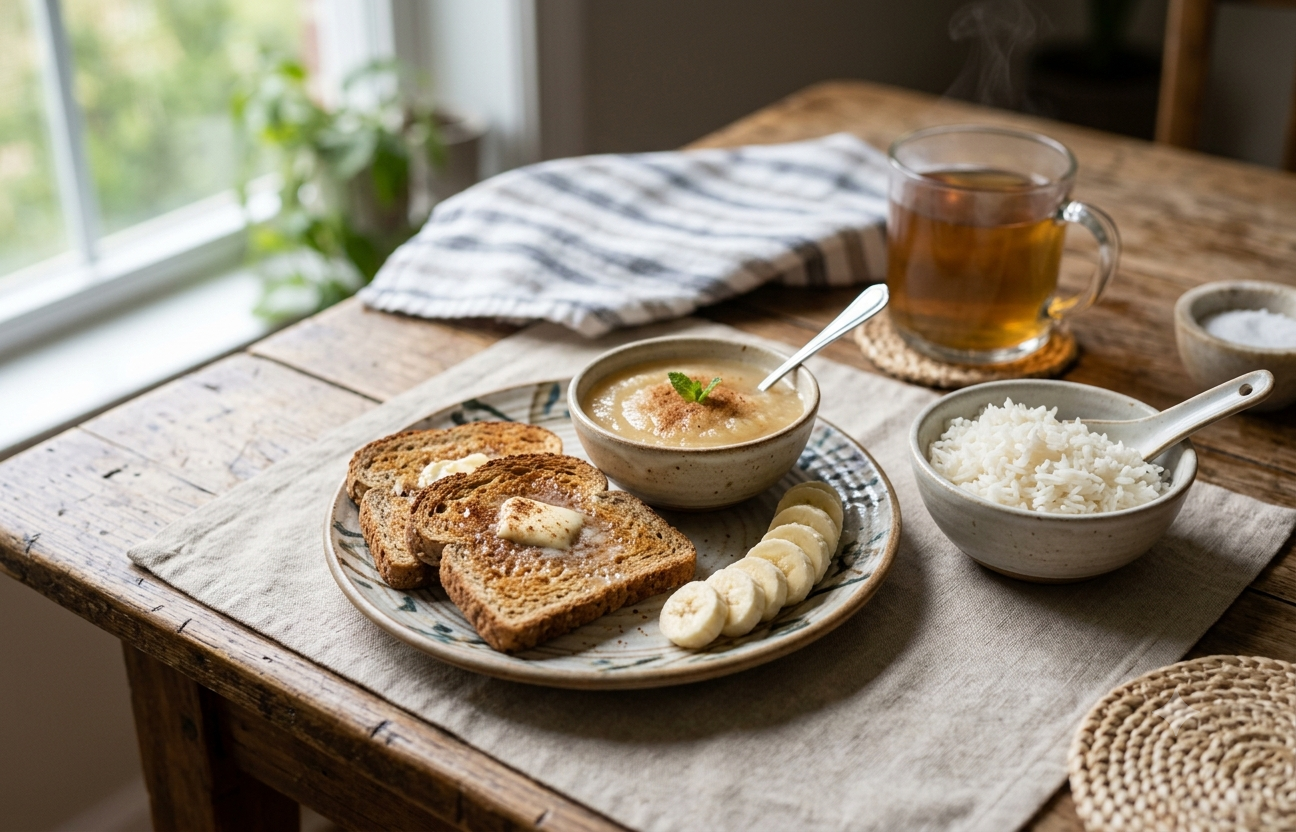
A stomach bug or viral gastroenteritis could affect your digestive system if you happen to consume contaminated food or water. The easy transfer of a stomach bug can alter the normal digestive function of your system and can result in symptoms such as diarrhea and vomiting. The BRAT diet has been used as the go-to diet for providing relief when the digestive system needs comfort. But recent revisions in nutritional research have suggested that the BRAT diet, which involves eating a diet of Bananas, Rice, Applesauce, and Toast, could be comforting for the digestive system when it is in distress, but the nutritional quotient is limited.
What Is The BRAT Diet?
Dr. Satish Koul, Principal Director and Unit Head of Internal Medicine, Fortis Memorial Research Institute, Gurgaon, explains, " The BRAT diet-bananas, rice, applesauce, and toast has traditionally been recommended for people recovering from a stomach bug because these foods are bland and generally easy to digest."
Why The BRAT Diet Became Popular
Each of the ingredients in the BRAT diet is bland, easy to digest, but their nutritional value is limited. It is important to consider that the variety of foods in this diet could support easy recovery but not completely, as diarrhea and vomiting can cause fluid loss and electrolyte depletion that needs to be nutritionally addressed.
Why A Strict BRAT Diet May No Longer Be Recommended
Dr. Satish Koul highlights, " Current nutrition advice suggests that restricting the diet to these foods may not provide all the nutrients needed for recovery. Once vomiting and severe diarrhea begin to improve, gradually reintroducing a wider variety of foods, including fiber-rich plant foods, may be beneficial."
How Fiber-Rich Plant Foods Support Recovery From A Stomach Bug
" Fiber can support digestive health in several ways. Soluble fiber, found in foods such as bananas, oats, apples, carrots, and potatoes, can absorb water and form a gel-like substance in the digestive tract, highlights Dr. Satish Koul.
He adds, " This may help make loose stools more manageable. Certain types of fiber also serve as fuel for beneficial gut bacteria, supporting the restoration of a healthy gut microbiome after an infection."
Soluble Fiber Can Help Firm Loose Stools
Research published in the Frontiers in Nutrition journal suggests that soluble fiber intake is necessary to support the digestive system when it is dealing with a stomach bug. These high-fibre foods should include :
- Bananas
- Apples
- Oats
- Carrots
- Potatoes
Fiber Feeds Beneficial Gut Bacteria
The research also points to the probiotic effects of fibre-rich foods that can actively support the gut microbiome.
A stomach bug attacks the gut microbiome, which needs to be repaired by intake of fibre-rich foods and build digestive resilience.
Plant Foods Supply Important Nutrients
Consuming a plant-based diet can introduce important vitamins and minerals needed for a faster recovery. The specific vitamins that can help with this are potassium from bananas and other fruits and vegetables, which are needed for repairing the inflammation of the gut.
Particularly, they also serve as a source of energy-restoring carbohydrates that the body needs for energy as it becomes depleted during a stomach infection.
Best Fiber-Rich Foods To Reintroduce After Diarrhea
Dr. Satish Koul pinpoints, " Fiber should be reintroduced gradually. During the acute phase of vomiting or diarrhea, large amounts of insoluble fiber, such as raw vegetables, bran, or some whole grains, may worsen bloating or intestinal discomfort. Hydration and electrolyte replacement remain especially important because stomach bugs can cause significant fluid and mineral losses."
These kinds of rich, high-fibre foods should be a part of the diet of an individual who is dealing with a stomach infection:
1. Bananas
2. Oatmeal
3. Applesauce
4. Boiled potatoes
5. Cooked carrots
6. Rice with cooked vegetables
7. Soft fruits
8. Vegetable soups
Hydration Is Still The Most Important Priority
Hydration remains the cornerstone for faster recovery from a stomach bug, as oral rehydration salts (ORS) are used as a treatment option. The main reason behind this is that ORS can replace the loss of electrolytes and water lost through vomiting and diarrhea. Here is how it could benefit those who are dealing with vomiting or diarrhea:
- Coconut water
- Electrolyte-rich fluids
- Risks of dehydration
Small, Frequent Meals May Be Better Than Restrictive Eating
Dr. Satish Koul suggests, " Rather than following a strict BRAT diet for several days, a better approach may be to eat small, frequent meals and gradually return to a balanced diet as symptoms improve."
He adds, " Easily digested plant foods can be introduced according to individual tolerance. Anyone experiencing persistent vomiting, severe dehydration, bloody diarrhea, high fever, or symptoms lasting several days should seek medical advice."
When Should You See A Doctor?
You should consult a doctor when the warning signs of severe imbalance present themselves; here are the signs that you need to know:
- Persistent vomiting
- Bloody diarrhea
- Severe dehydration
- High fever
- Symptoms lasting beyond several days
- Dizziness or confusion
The Indian Equivalent Of The BRAT Diet
While recovering from a BRAT diet, you need to focus on implementing practical food combinations that can make your recovery faster. To do so, you can try eating these foods that can offer nutrition when your body needs it most:
1. Applesauce can be replaced by dhalia or plain vegetable khichdi that can be easily digested and provide nutritional support for faster recovery.
2. Instead of plain rice, you can consume idli, dosa, or any other steamed dish prepared from fermented rice to provide a probiotic boost.
3. Probiotic-rich dairy products such as plain dahi that are homemade can prove beneficial.
The BRAT diet is too restrictive and requires proper nutritional balance for faster recovery from a stomach bug.
Also Read: Tai Chi Walking For Weight Loss: The Gentle Exercise Burning Calories Without Stressing Joints
Disclaimer: This content including advice provides generic information only. It is in no way a substitute for a qualified medical opinion. Always consult a specialist or your own doctor for more information. NDTV does not claim responsibility for this information.