





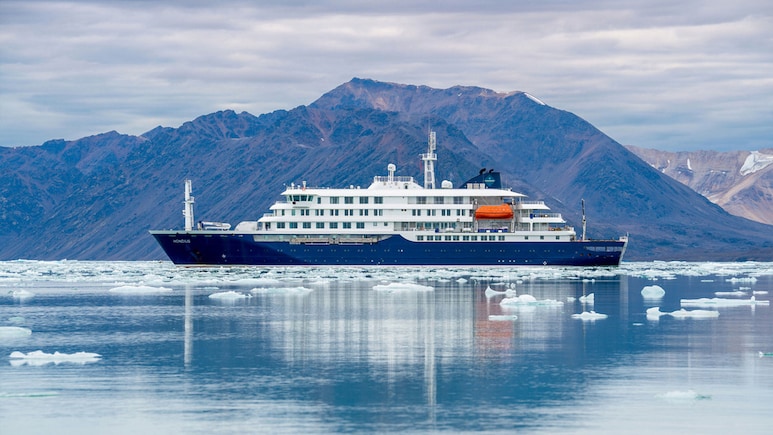
- Seven people on MV Hondius cruise ship have hantavirus; three have died and one is critical
- Hantavirus spreads mainly from rodents to humans; human transmission is extremely rare
- WHO is investigating a possible human-to-human spread linked to the Andes strain
The ongoing hantavirus outbreak on the MV Hondius cruise ship, travelling from Argentina towards Cape Verde across the Atlantic, has affected a total of 8 individuals. The World Health Organisation said on Friday that eight people had fallen ill, including three who died, in a hantavirus outbreak linked to a cruise ship, with six confirmed cases and two probable cases. Six of the cases have been confirmed as Andes virus, a type of hantavirus through PCR testing, the WHO said. On May 2, 2026, a cluster of passengers with severe respiratory illness was reported to the WHO. For the unversed, hantavirus is a serious viral infection primarily transmitted to humans through contact with infected rodents, particularly through their droppings, urine, or saliva. The virus can also be contracted by inhaling dust contaminated with these excretions. It primarily spreads from animals to humans. Human-to-human transmission is extremely rare. However, the Andes virus, which has been decteded on the ship, is the only hantavirus strain capable of human-to-human transmission.
The ship had 147 passengers and crew on board when the outbreak was first reported, while 34 others had already left the vessel. Four patients remain hospitalised in South Africa, the Netherlands and Switzerland, while a suspected case sent to Germany tested negative. According to BBC, two Indian nationals are among the crew members.
#Hantavirus cluster linked to cruise ship travel:
— World Health Organization (WHO) (@WHO) May 5, 2026
Since 1 April when the boat set sail, of the 147 passengers and crew, 7 people have become ill, among whom 3 have died, 1 is critically ill and 3 are reporting mild symptoms.
Based on the current information, including how… pic.twitter.com/KDKwmrNeBt
Global risk remains low
WHO has emphasised that the global risk to the public remains very low.
"Based on current information, WHO assesses the risk to the global population as low and will continue to monitor and update on the situation," Dr. Tedros Adhanom Ghebreyesus, Director-General of the World Health Organisation, said on X.
He has also mentioned that the organisation is working with the countries involved and the ship's operator to support the passengers and crew. "The coordinated international response includes in-depth investigations, case isolation and care, medical evacuation and laboratory investigations."
As of 4 May 2026, since 1 April when the ship set sail, there have been seven #hantavirus cases (two confirmed and five suspected), including three deaths.
— Tedros Adhanom Ghebreyesus (@DrTedros) May 5, 2026
Based on current information, @WHO assesses the risk to the global population as low and will continue to monitor and… pic.twitter.com/uHVMhxnnoL
Is India at risk?
Currently, there is no immediate cause for concern in India regarding this specific cruise ship outbreak. Whilere there are 2 Indian crew memebers on board, no cases linked to this incident have been reported in India, and the nature of the virus makes widespread international spread unlikely.
Hantavirus history in India
Hantaviruses are not new to India. Scientific evidence of their presence among rodents and humans has existed for decades. The primary risk remains for individuals working in close proximity to rodents, such as farmers, warehouse workers, and rodent trappers.
A study published in the journal Indian Journal of Critical Care Medicine revealed a rare and serious case of hantavirus in a 30-year-old postpartum woman in India.
The case focuses on Hantavirus Pulmonary Syndrome (HPS). While hantavirus is more common in the Americas and parts of East Asia, this specific case occurred in Mumbai. A woman who had just given birth, 8 days postpartum, began feeling severe abdominal pain, fever, and dizziness. Her condition rapidly declined. She developed a very low platelet count, low blood pressure, and severe breathing difficulties. Doctors initially suspected common tropical diseases like Dengue, Leptospirosis, or Malaria, but all tests were negative. Eventually, a blood test for Hantavirus antibodies came back positive. Despite intensive care, including a ventilator and kidney dialysis, the infection caused her lungs to fill with fluid and her organs to fail. She passed away 10 days after her symptoms began.
Hantavirus is a serious viral infection which can lead to life-threatening consequences. It can lead to serious health conditions like Hantavirus Pulmonary Syndrome (HPS) and Hemorrhagic Fever with Renal Syndrome (HFRS).
According to studies, the death rate for HPS is very high, around 40-50%. In most cases, early symptoms like fever, muscle aches, and low platelet counts may resemble those of many other illnesses and are often misdiagnosed.
Currently, there is no cure or specific vaccine against hantavirus.
Disclaimer: This content including advice provides generic information only. It is in no way a substitute for a qualified medical opinion. Always consult a specialist or your own doctor for more information. NDTV does not claim responsibility for this information.
Track Latest News Live on NDTV.com and get news updates from India and around the world

