

)
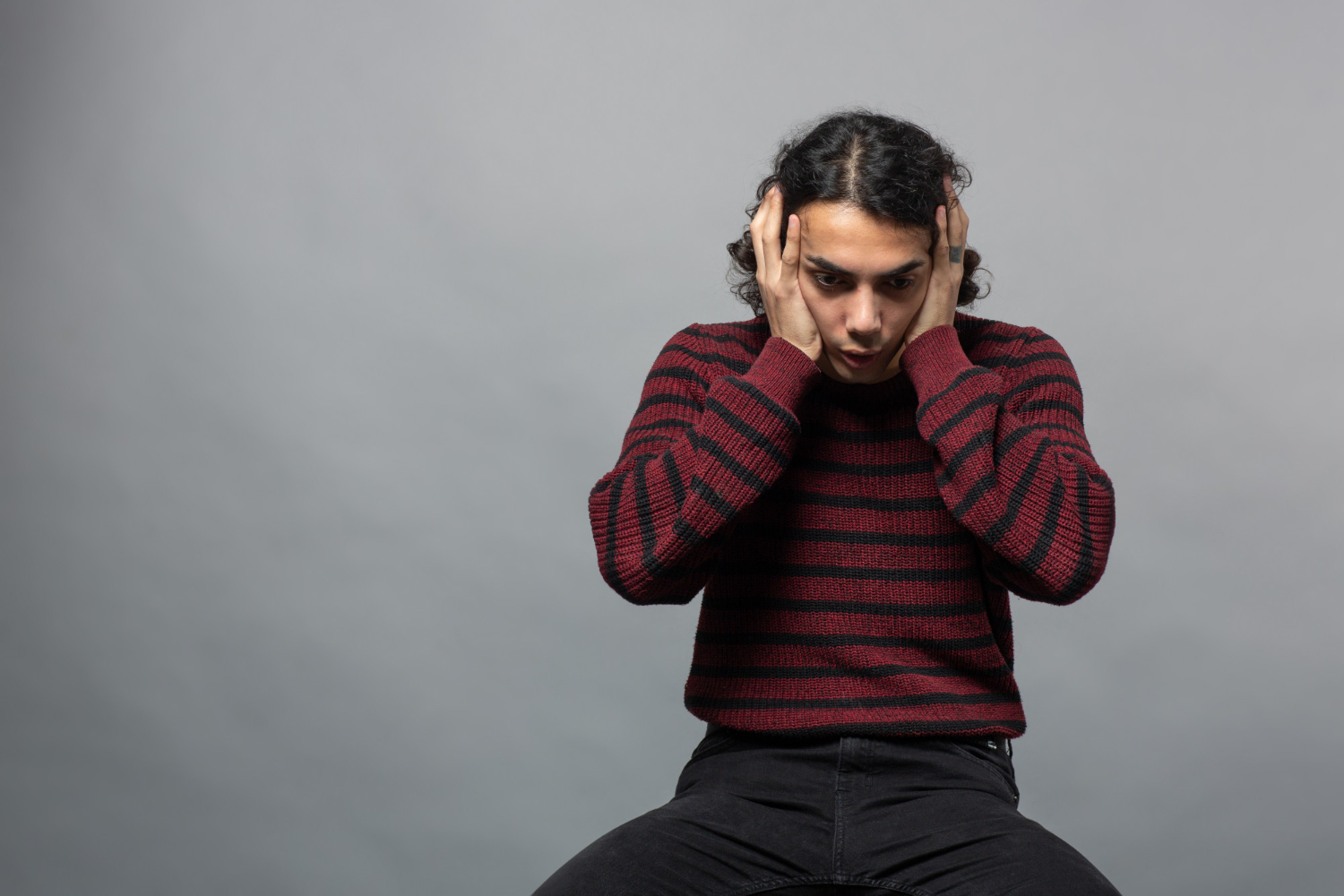
A sudden racing heart, breathlessness, chest tightness, dizziness, or an overwhelming fear of dying. For many people, a panic attack feels indistinguishable from a medical emergency. These intense episodes of anxiety often strike without warning, leaving individuals frightened, confused, and convinced something catastrophic is happening to their body. According to mental health experts, panic attacks are far more common than most people realise, and they frequently lead to emergency hospital visits because the symptoms closely resemble those of a heart attack.
While panic attacks are not life-threatening, their intensity and unpredictability can be deeply distressing, especially during a first episode.
"Panic attacks are paroxysms of severe anxiety which start abruptly, reach a crescendo and then descend quickly," explains Dr Trideep Choudhury, Consultant Psychiatrist, Adayu, A Fortis Network Hospital. He adds that the most troubling aspect is "their relative unpredictability and the intensity of the symptoms." Understanding what a panic attack is, and learning how to respond when one occurs, can make a significant difference in reducing fear, preventing escalation, and improving long-term recovery.
What Happens During A Panic Attack?
Dr Choudhury explains that panic attacks trigger a powerful physical reaction: "The symptoms most of the time mimic a cardiac event and the person lands up in the emergency department of the hospital."
People may experience:
- Breathing difficulty
- Tightness of the chest
- Palpitations
- Tingling or numbness of limbs
- Headache or stomach pain
- A strong fear that they may die
This happens because the body's fight-or-flight response is activated, even though there is no real external danger. According to the World Health Organization (WHO), panic disorder involves sudden surges of intense fear accompanied by physical symptoms driven by heightened nervous system activity.
When To See A Doctor First
Dr Choudhury stresses an important safety rule: "Such an event when it occurs for the first time should always be attended by a medical doctor to rule out any cardiac event." Medical evaluation is essential during a first panic-like episode to exclude heart problems, thyroid disorders, or other physical causes. Once serious medical conditions are ruled out, recurring panic attacks can be managed with psychological and behavioural strategies.
Doctor-Recommended Techniques To Handle A Panic Attack
1. Understand What's Happening in Your Body
"Educating oneself about panic attacks, that they are bodily responses to perceived danger even when there is no danger around, helps." Dr Choudhury explains that symptoms usually peak within 3-5 minutes and then subside, and knowing this helps prevent overreaction and fear escalation. Research from the National Institute of Mental Health (NIMH) shows that panic attacks, though intense, are self-limiting.
2. Use Positive Self-Statements
"Using positive self statements helps us cope positively with the symptoms." Helpful statements include:
- "I know what to do; I have handled this before."
- "I know what is happening to my body; I just need to keep breathing."
Cognitive reframing techniques like these are widely used in cognitive behavioural therapy (CBT), recommended by the National Institute for Health and Care Excellence (NICE).
3. Practice Diaphragmatic Breathing
"We need to break the cycle of reflexive fight-or-flight reaction," says Dr Choudhury. "We can put our hand over our stomach to assess whether we are breathing well." He recommends slow diaphragmatic breathing:
- Inhale through the nose for 4-5 counts
- Exhale through the mouth for 4-5 counts
- The stomach should rise during inhalation
Controlled breathing has been shown to reduce autonomic nervous system overactivity, according to studies cited by the American Psychiatric Association.
4. Use Simple Distraction Techniques
"Using distraction techniques during panic attacks also helps us distract ourselves from bodily symptoms," says Dr Choudhury. Examples include:
- Counting backwards from 100
- Watching seconds tick on a watch
These techniques shift attention away from physical sensations, reducing symptom amplification.
5. Try Progressive Muscle Relaxation
"Progressive muscle relaxation is a very effective way of inducing a relaxation state in the body," explains Dr Choudhury. This involves tightening and relaxing muscle groups, such as toes and calves, for 6-8 seconds each. The technique is supported by anxiety-management guidelines from the UK National Health Service (NHS).
6. Stop Catastrophic Thoughts
"Using thought-stopping techniques helps halt a lot of negative and catastrophic thoughts," says Dr Choudhury. Methods include:
- Saying "STOP" out loud or mentally
- Snapping a rubber band on the wrist for physical distraction
- Replacing fearful thoughts with positive coping statements
7. Keep a Panic Attack Log
"Keeping a log of panic attacks helps us see patterns and possible triggers," says Dr Choudhury. Recording when attacks occur, what preceded them, and what helped can improve long-term control.
8. Reduce Triggers and Strengthen Resilience
"Engaging in pleasurable activities, moderate physical activity, and reducing common triggers like tobacco, alcohol, and caffeine is important," explains Dr Choudhury. Lifestyle modification is a core part of panic disorder management, according to the WHO's Mental Health Gap Action Programme.
9. Seek Professional Help If Needed
"If such interventions fail, it is important to approach a mental health expert where medications and psychological interventions are effective," explains Dr Choudhury. Both medication and structured psychotherapy are evidence-based treatments for recurrent panic attacks.
Panic attacks can feel overwhelming, frightening, and unpredictable, but they are treatable and manageable. Understanding what's happening in your body, responding calmly, and practising proven coping techniques can significantly reduce fear and frequency. With the right support and guidance from mental health professionals, people experiencing panic attacks can regain confidence and control over their lives.
Disclaimer: This content including advice provides generic information only. It is in no way a substitute for a qualified medical opinion. Always consult a specialist or your own doctor for more information. NDTV does not claim responsibility for this information.