

)
The arrival of the monsoon brings relief from soaring temperatures, but it also brings a rise in certain health problems. One of the most common concerns during this season is urinary tract infections (UTIs). Doctors often see more UTI cases during the rainy months. This happens because the combination of humidity, poor hydration, and hygiene-related issues creates favourable conditions for bacteria to grow. While anyone can develop a UTI, women and people with certain health conditions have a higher risk.
Speaking to NDTV, Dr Gopal Ramdas Tak, Consultant Urologist, Asian Institute of Nephrology and Urology, Banjara Hills, Hyderabad, said that many people unknowingly increase their chances of developing UTIs during the monsoon by drinking less water, delaying urination, or staying in wet clothes for long periods. The good news is that these infections are largely preventable with a few simple lifestyle habits and by recognising symptoms early.
Why Do UTIs Increase During The Monsoon?
A urinary tract infection develops when bacteria enter the urinary tract and multiply. The most common bacteria responsible for UTIs is Escherichia coli (E. coli), which normally lives in the intestines but can enter the urinary system and cause infection.
Dr Tak explains that humidity does not directly cause UTIs, but it creates an environment that supports bacterial growth. During the rainy season, many people stay in damp clothes after getting caught in the rain or do not maintain proper intimate hygiene. These conditions allow bacteria to multiply more easily, increasing the risk of infection.
"Humidity itself does not directly cause UTIs, but it creates an environment that encourages bacterial growth. Combined with poor hydration and delayed urination, the risk of infection increases significantly during the monsoon," said Dr Tak.
The Role Of Hydration
Another important reason for the rise in UTIs during the monsoon is reduced water intake. Since the weather is cooler than in summer, people often do not feel as thirsty and end up drinking less water throughout the day.
When the body receives less water, people urinate less often. Frequent urination helps flush bacteria out of the urinary tract before they can multiply. Drinking too little water reduces this natural cleansing process, giving bacteria a better chance to grow and cause an infection.
Holding urine for long periods can make matters worse. Many people avoid using public washrooms while travelling during the rainy season, but delaying urination gives bacteria more time to multiply inside the bladder.
Who Is Most At Risk?
Although anyone can develop a UTI, some groups are more vulnerable than others. Women face a higher risk because they have a shorter urethra, allowing bacteria to reach the bladder more quickly.
Pregnant women, older adults, people living with diabetes, and individuals with weakened immune systems are also more likely to develop recurrent UTIs. These groups should be especially careful about maintaining hydration and personal hygiene during the monsoon months.
Simple Ways To Prevent UTIs
Dr Tak says that a few everyday habits can significantly lower the risk of infection. Drinking enough water throughout the day is one of the easiest and most effective ways to protect the urinary tract.
It is equally important to avoid holding urine for long periods. People should also change out of wet clothes immediately after getting drenched in the rain to reduce bacterial growth. Maintaining proper intimate hygiene and wearing clean, breathable cotton undergarments can further help keep the area dry and reduce the risk of infection.
Dr Tak said, "Simple lifestyle measures can go a long way in preventing UTIs. Drink enough water, avoid holding urine, change out of wet clothes immediately, maintain proper intimate hygiene, and wear breathable cotton undergarments."
These simple lifestyle measures can make a big difference, especially for those who experience repeated UTIs.
Know The Warning Signs
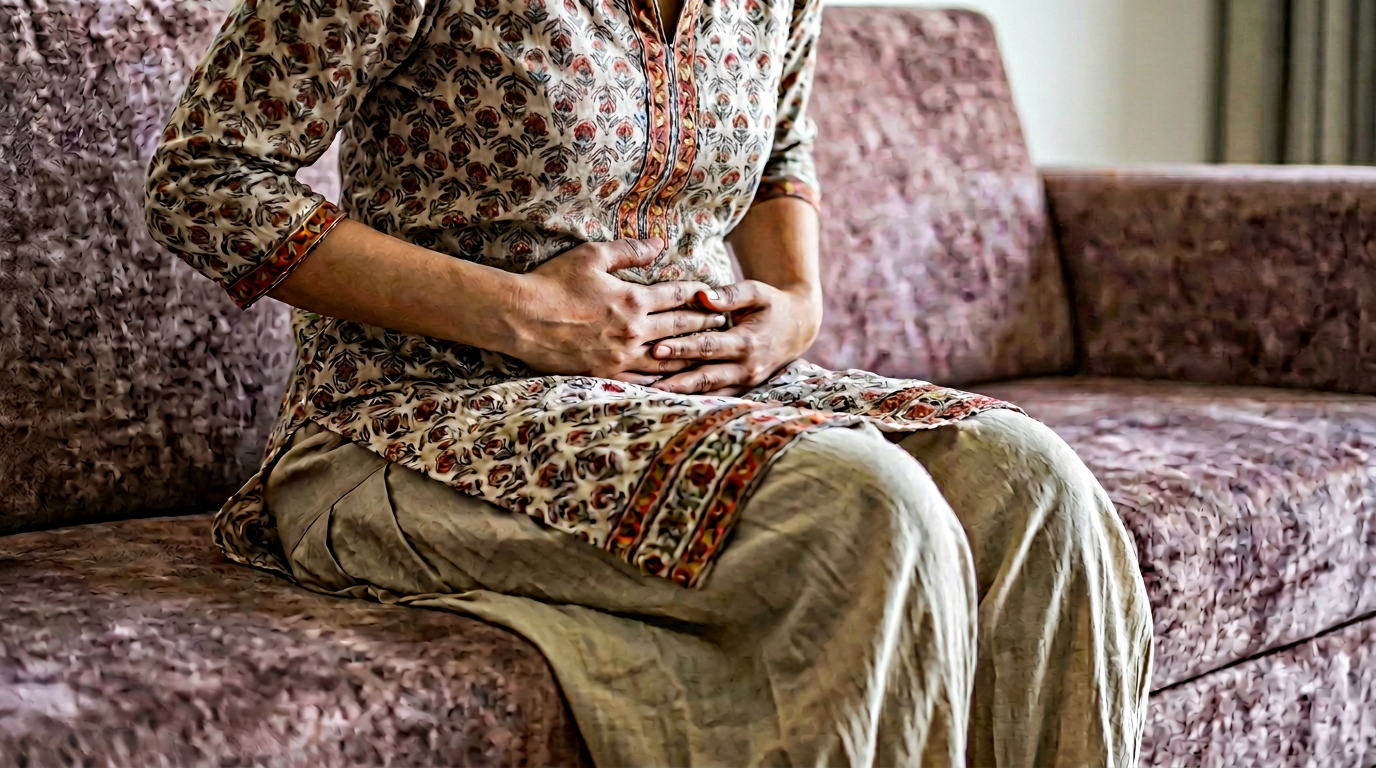
Recognising symptoms early is important because prompt treatment can help prevent complications. Common signs of a UTI include a burning sensation while passing urine, frequent urges to urinate, cloudy or foul-smelling urine, lower abdominal pain, and, in some cases, fever.
Ignoring these symptoms is not advisable. If left untreated, the infection can spread from the bladder to the kidneys, leading to more serious health problems that may require hospitalisation.
Monsoon-related UTIs are common, but they are also largely preventable. Staying hydrated, practising good intimate hygiene, avoiding prolonged use of wet clothing, and not delaying urination can go a long way in reducing the risk of infection. Being aware of early symptoms and seeking timely medical care can significantly reduce the risk of infection and help people stay healthy throughout the rainy season.
Disclaimer: This content including advice provides generic information only. It is in no way a substitute for a qualified medical opinion. Always consult a specialist or your own doctor for more information. NDTV does not claim responsibility for this information.