

)
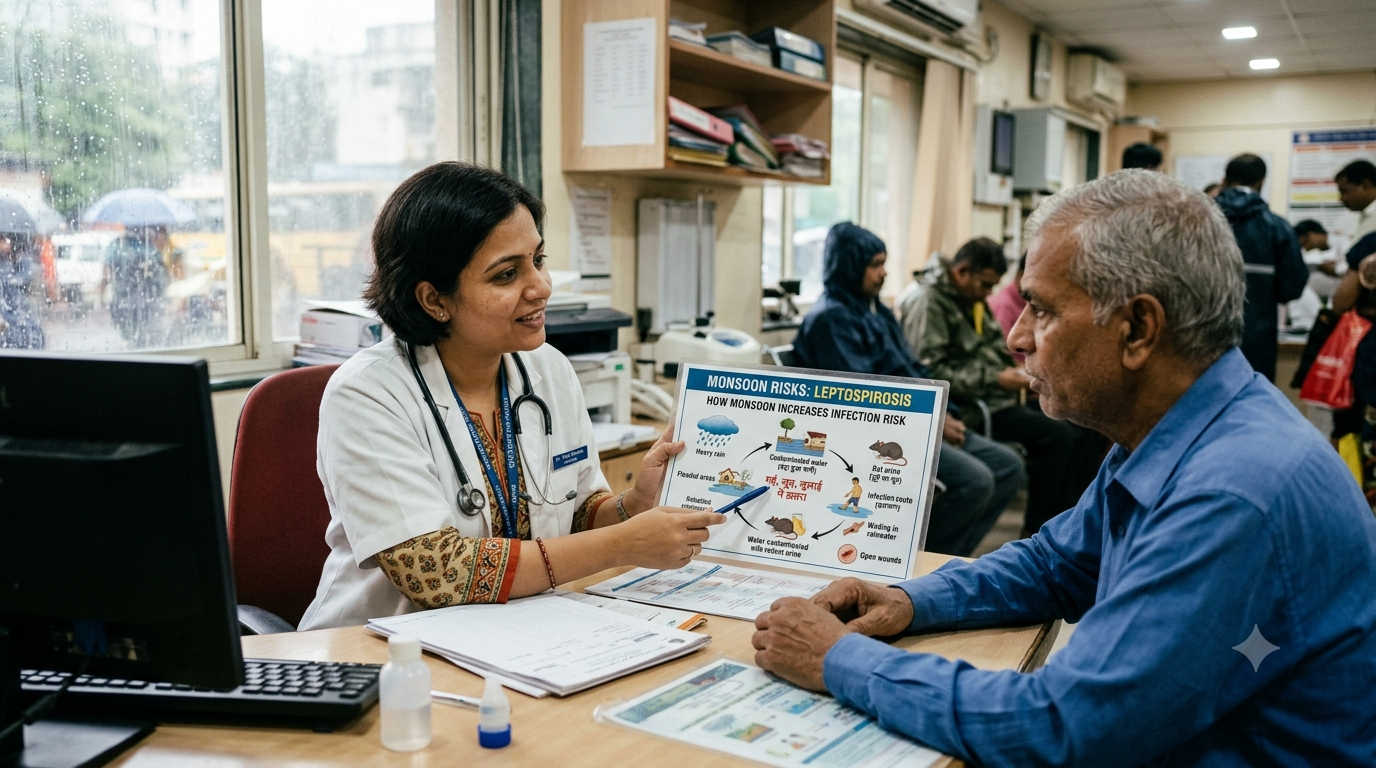
Persistent rainfall and waterlogged streets across Mumbai have prompted the Brihanmumbai Municipal Corporation (BMC) to caution residents against the growing risk of leptospirosis. Common during the monsoon, the disease is caused by bacteria that can enter the body after contact with floodwater contaminated by the urine of infected animals, particularly rodents. Health officials are urging people to stay vigilant and take preventive measures as the city navigates another spell of intense rains. Unlike mosquito-borne illnesses, leptospirosis spreads through contact with water or soil contaminated by the urine of infected animals, particularly rodents. With floodwaters overflowing onto roads, footpaths, and residential areas, the risk of exposure increases substantially, especially in densely populated urban settings. According to a study in Journal of Infection, leptospirosis causes nearly onemillion infections and around 60,000 deaths globally every year, with tropical countries like India bearing a significant share of the burden.
What Is Leptospirosis?
Leptospirosis is a bacterial infection caused by Leptospira bacteria. It is considered an environmental disease because it spreads through contaminated water and soil rather than directly from person to person. Heavy rainfall and flooding create ideal conditions for the bacteria to survive and spread. When floodwater mixes with sewage, mud, and animal waste, it can contaminate public spaces, increasing the risk of infection for anyone walking through stagnant water.
Also read: What Is Leptospirosis?
Why Does Monsoon Increase The Risk?
During the rainy season, overflowing drains, flooded roads, and stagnant water become common across many cities. These waterlogged areas may be contaminated with urine from infected rats, dogs, cattle, and other animals carrying the bacteria. The infection usually enters the body through:
- Small cuts or abrasions on the skin
- The eyes
- The nose
- The mouth
Repeated exposure to contaminated floodwater further increases the chances of infection.
Early Symptoms Can Be Misleading
One of the biggest challenges with leptospirosis is that its initial symptoms closely resemble those of common viral infections, making early diagnosis difficult. According to Dr. Sanjay Raina, HOD & Senior Consultant, Department of Infectious Diseases, Amrita Hospital, Faridabad: "Leptospirosis is often ignored as its early signs are similar to various common monsoon illnesses. It is clinically important because there is a small window to intervene." Early symptoms may include:
- Fever
- Headache
- Body aches
- Muscle pain
- Chills
- Fatigue
Because these symptoms overlap with viral fever, dengue, and influenza, many people delay seeking medical attention.
Why Early Diagnosis Matters
If left untreated, leptospirosis can rapidly progress and affect multiple organs. Dr. Raina warns, "The infection may initially present with nothing more than fever, body ache and headache, but if diagnosis is delayed, it can spread rapidly to involve the kidneys, liver, lungs or even the brain." Severe leptospirosis may lead to:
- Kidney failure
- Liver damage
- Lung bleeding
- Meningitis
- Multi-organ failure
Prompt diagnosis and early antibiotic treatment can significantly improve outcomes.
Who Is Most At Risk?
Although anyone exposed to contaminated floodwater can develop leptospirosis, certain groups face a much higher risk. These include:
- Sanitation workers
- Construction workers
- Farmers
- Emergency responders
- Municipal workers
- People working outdoors
- Residents of flood-prone areas
People who frequently walk through stagnant water after heavy rainfall should remain especially vigilant.
Also read: You May Be Prone To Leptospirosis During Monsoon; Here's How To Prevent It
Floodwater Exposure Is An Important Clue
Doctors say a recent history of walking through floodwater is one of the most valuable clues in identifying leptospirosis. Dr. Raina explains: "A history of recent walking through floodwater is no minor detail it is an important epidemiological clue that should heighten clinical suspicion immediately." Informing your doctor about recent floodwater exposure can help ensure timely diagnosis and treatment.
How Can You Reduce Your Risk?
Simple precautions during the monsoon can significantly lower your chances of infection. Experts recommend:
- Avoid walking through floodwater whenever possible.
- Wear waterproof boots and protective clothing if exposure is unavoidable.
- Cover cuts, wounds, or abrasions with waterproof dressings.
- Wash thoroughly with soap and clean water after contact with floodwater.
- Maintain good sanitation around homes and workplaces to discourage rodents.
- Seek medical attention promptly if fever develops after floodwater exposure.
The recent spike in leptospirosis cases in Mumbai is a reminder that monsoon-related illnesses extend beyond mosquito-borne infections. Floodwater contaminated with animal urine can transmit bacteria that may initially resemble a simple viral fever but can quickly progress to life-threatening complications if left untreated. As Dr. Raina conclude, "The challenge for clinicians is that leptospirosis is often masked by the diagnosis of 'viral fever'. The public needs to learn the same lesson: the water may be gone within a matter of hours following a flood, but the infectious risk may last for much longer. Identifying the history of exposure early may be as important as identifying the symptoms themselves."
Disclaimer: This content including advice provides generic information only. It is in no way a substitute for a qualified medical opinion. Always consult a specialist or your own doctor for more information. NDTV does not claim responsibility for this information.