

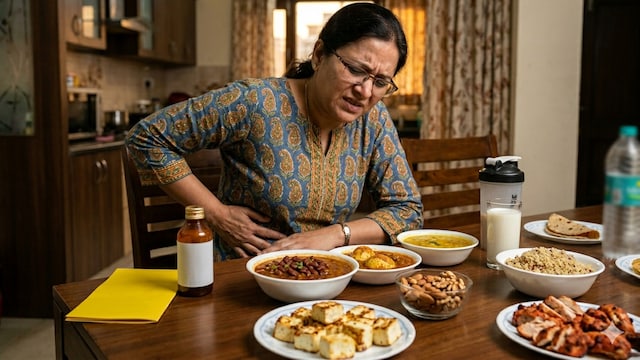
Global Fatty Liver Day 2026 is a day that has been created to shed light on the rising cases of fatty liver disease in India. Fatty liver disease, which is now called steatotic liver disease, affects about 38-39% of Indian adults. The estimated numbers are even higher, as about 120 million Indians are projected to have fatty liver disease. The rise in the number of cases of the silent disease, whose symptoms keep developing under the radar.
Fatty liver disease is mainly tied to dietary choices, which have made people obsessed with consuming high-protein diets for weight loss and muscle gain. But the liver requires a balance for functioning properly, be it protein or nutrition. Most people don't know how much protein they are consuming daily, especially those with fatty liver disease.
What Is Fatty Liver Disease and Why Are Cases Rising
Fatty liver disease happens when an excessive amount of fat builds up in the cells of the liver. This impacts the way the liver performs its daily processing for the entire body. Mainly, there are two types of fatty liver disease: alcoholic and non-alcoholic fatty liver disease, which is the main point of concern for medical professionals.
The key risk factors of fatty liver disease are consuming a poor diet, obesity, diabetes, and a sedentary lifestyle.
In India, where the consumption of ultra-processed foods and the obesity crisis exist, fatty liver disease is becoming increasingly common even in children. Furthermore, this is complicated due to a rise in crash dieting that drives people to pursue different types of diets without regard for internal health impact in the hopes of weight loss.
High-Protein Diet Craze: Why Everyone Is Increasing Intake
Research published in the journal Nature and discussions among scientific researchers confirm that the high-protein diet craze is driving people to indulge in unsafe dietary practices.
Gym culture, keto, and low-carb dietary trends are driving the high-protein diet craze that is exposing people's livers to increased health risks.
The most popular sources of protein include whey protein, chicken, eggs, and supplements that claim to provide benefits for weight loss, building muscle, and fullness. But the actual concern lies in how much of it is actually required by your body based on its daily activity levels.
Can Too Much Protein Harm Liver Health?
Research published in the Nutritional Biochemistry journal confirms that a healthy liver can process protein effectively, but when its functioning is impaired, then protein synthesis is hindered. This can happen if excessive protein, more than your body requires, is consumed, which builds up the nitrogen waste in the liver and strains the metabolism. This can add stress to the liver to function if it is already compromised.
The people who are most at risk of this happening are those with a fatty liver, pre-existing medical conditions such as diabetes and obesity, and those who consume excessive amounts of supplements.
The actual problem is not with protein itself but the imbalanced diets that consist of high protein, low fibre, and high fat, which can increase risk.
Also Read: 6 Health Benefits Of Starting Your Day With Soaked Methi Seeds
Warning Signs Your Liver May Be Affected
The body may show warning signs that the liver is affected due to an excessive amount of protein intake. Here are the signs that should drive you to reduce your protein intake:
- Persistent fatigue
- Belly fat and bloating
- Elevated liver enzymes (often silent)
- Nausea or poor digestion
- Dark urine / mild jaundice that may happen in advanced cases.
How Much Protein Is Safe?
The Indian Council of Medical Research (ICMR) and National Institute of Nutrition (NIN) established dietary guidelines suggesting that an average Indian needs about 0.8 to 1 gram of protein per kg of body weight. For those with a high-intensity lifestyle, the protein dose can be elevated to 1.2 to 1.6 g/kg after a medical professional has looked at the dietary requirements of your body.
To be safe and control the effects of a high-protein diet on your liver, you need to avoid becoming overreliant on supplements, as the effect on the body can vary.
You need to avoid consuming a high-protein crash diet that can cause side effects, as your liver may struggle to process protein.
Diet Mistakes That Increase Fatty Liver Risk
Making diet mistakes that can increase fatty liver risk needs to be known to avoid them and safeguard your liver health. Here are the common diet mistakes that increase the risk of a fatty liver:
- High-protein and low-fibre diets don't give the gut and the liver the support to function properly.
- Ultra-processed protein foods ruin the intestinal lining and damage long-term digestive processing, and also impact how the liver plays a role in digestion.
- Skipping carbs entirely leaves the liver struggling to process protein.
- A sugary drink and protein combo can cause a spike in blood sugar, which can impact how the liver plays a role in secreting enzymes that break down food.
- Late-night heavy meals can silently increase stress on the liver.
Best Diet Tips To Protect Your Liver
Dietary tips that you can follow to protect your liver are as follows:
- Combining protein with fibre and healthy fats.
- Add whole grains, fruits, and vegetables to your diet.
- Include plant protein (dal, legumes, and seeds) in your diet.
- Hydration is key to optimal liver functioning.
Dr Rohan Badave, Consultant - Medical Gastroenterology, Manipal Hospital, Goa, explains, "Protein is essential, but more is not always better." He also adds, "The liver plays a central role in processing protein, including breaking down amino acids and converting toxic ammonia into urea for safe removal."
Protein is essential, but an excess of it without balance can backfire and lead to side effects on the liver. Liver health depends on an overall dietary pattern; not one nutrient's intake, but protein intake can hinder normal liver functioning.
Disclaimer: This content including advice provides generic information only. It is in no way a substitute for a qualified medical opinion. Always consult a specialist or your own doctor for more information. NDTV does not claim responsibility for this information.