

)
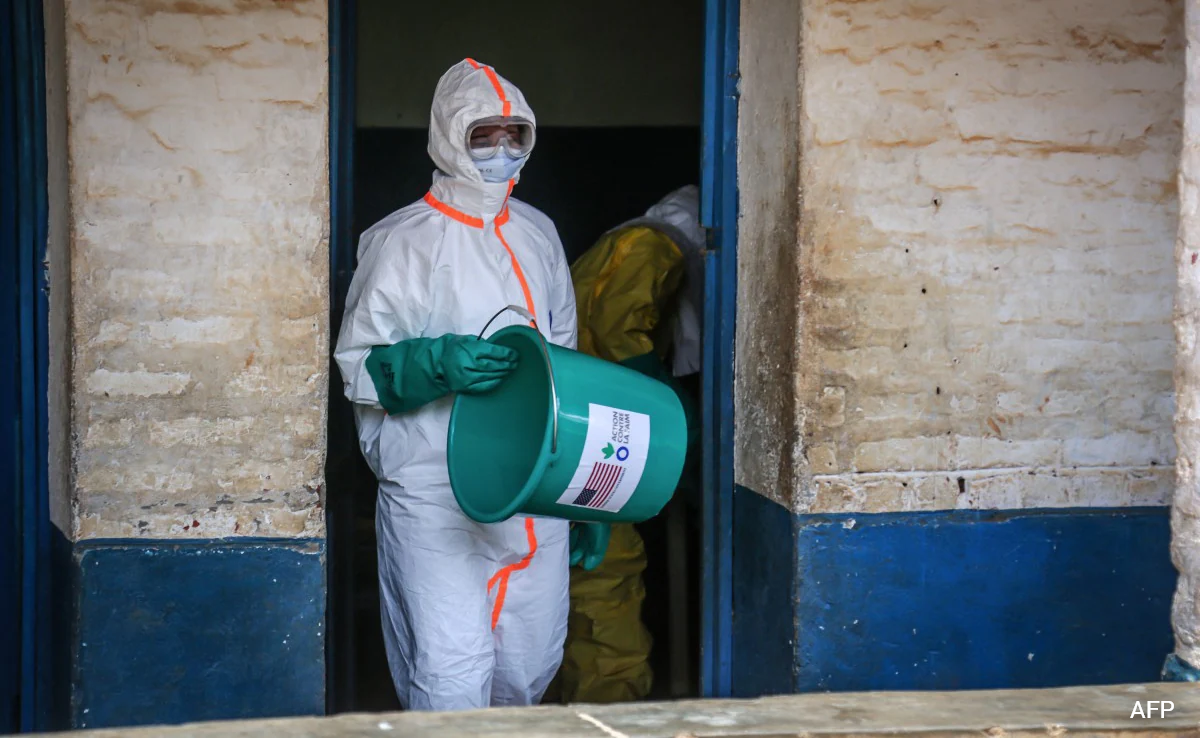
Africa is once again battling deadly viral diseases that have raised concerns. Uganda recently confirmed an isolated case of Marburg virus disease in a one-and-a-half-year-old child during surveillance linked to the ongoing Ebola response. Health officials have clarified that no contacts of the child have developed symptoms and there are currently no active Marburg cases in the country. Even so, the detection has put authorities on high alert because Marburg is highly infectious and can spread rapidly if not contained.
At the same time, the Democratic Republic of the Congo and Uganda continue to face a major Ebola outbreak caused by the Bundibugyo strain. DR Congo has more than a thousand confirmed infections and hundreds of deaths. Uganda has also reported imported Ebola cases linked to the outbreak, making disease surveillance even more important.
The World Health Organization (WHO) and Africa CDC, are closely monitoring the situation to prevent further spread. While the risk of a global outbreak remains low at present, experts say early detection and quick action are important to stop the spread of these viruses.
Both Ebola and Marburg viruses in the same region have raised questions about whether the world could face another pandemic. Although these viruses belong to the same family and can cause severe illness, they behave differently from viruses like Covid-19. These viruses usually spread through direct contact with the blood or other body fluids of an infected person rather than through the air. This makes them easier to control when public health measures such as isolation, contact tracing and protective equipment are used effectively. Read on to know how these viruses spread, how they differ and more.
What Are Ebola And Marburg Viruses?
Ebola and Marburg belong to the Filoviridae family and cause viral haemorrhagic fever. Both diseases can lead to severe illness, internal bleeding, organ failure and death if not treated promptly. They are believed to originate in fruit bats and can spread to humans through infected animals before passing from person to person through direct contact with infected body fluids or contaminated surfaces.
How Are The Two Viruses Different?
Although the two diseases share many similarities, they are caused by different viruses. Ebola has several species, some of which have approved vaccines and treatments.
Marburg, on the other hand, currently has no widely approved vaccine or specific antiviral treatment, although several candidates are being studied. The fatality rate of both diseases can vary depending on the virus strain, healthcare services and how quickly patients receive care.
Can They Cause The Next Pandemic?
While the possibility cannot be completely ruled out, experts believe Ebola and Marburg are less likely to trigger a global pandemic than highly contagious respiratory viruses like Covid-19. These infections require close physical contact for transmission, making widespread community spread more difficult.
Strong public health measures, including rapid testing, isolation of patients, contact tracing and safe burial practices, have helped prevent outbreaks before they spread across continents.
However, outbreaks can become larger when healthcare systems are overwhelmed or when cases go undetected for long periods. Increased travel and cross-border movement also make international monitoring important. This is why health agencies remain alert whenever a new case is detected.
Symptoms To Watch For
Early symptoms of both infections are similar to that of common viral illnesses, making diagnosis difficult. They may include:
- Sudden fever
- Severe headache
- Muscle and body pain
- Weakness and fatigue
- Vomiting and diarrhoea
- Abdominal pain
As the condition worsens, some patients may develop unexplained bleeding, difficulty breathing, confusion and organ failure.
How Can Outbreaks Be Prevented?
Preventing these infections depends on strong public health systems. Early detection, laboratory testing, isolation of infected individuals, monitoring of close contacts and educating communities play a major role in controlling outbreaks. People living in outbreak areas are advised to:
- Wash hands regularly with soap or sanitizer
- Avoid contact with body fluids
- Stay away from infected animals
- Avoid unsafe burial practices
- Seek medical help immediately if symptoms appear
While Ebola and Marburg are serious diseases with high fatality rates, they are not as easily transmitted as airborne viruses. The recent Marburg case in Uganda and the continuing Ebola outbreak highlight the importance of vigilance, however, they should not cause panic.
Disclaimer: This content including advice provides generic information only. It is in no way a substitute for a qualified medical opinion. Always consult a specialist or your own doctor for more information. NDTV does not claim responsibility for this information.