

)
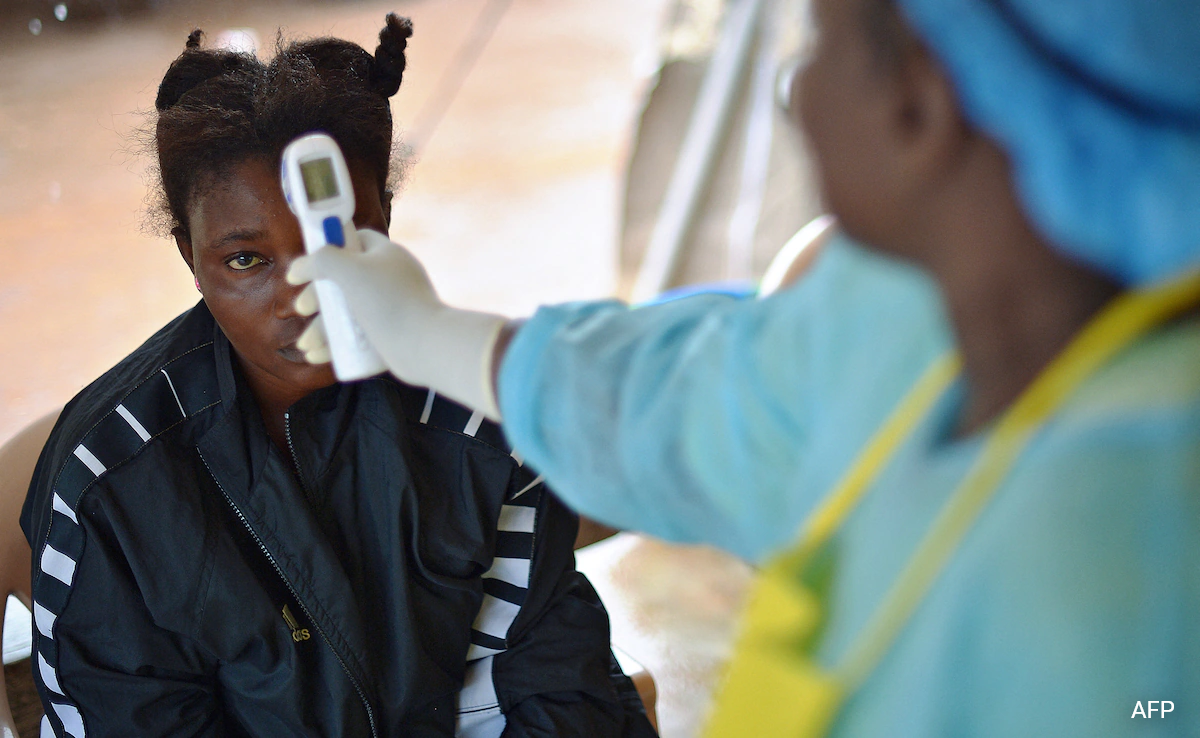
A fresh Ebola outbreak in the Democratic Republic of Congo has raised concerns across Africa after health officials confirmed 65 deaths linked to the virus. According to the Africa Centres for Disease Control and Prevention (Africa CDC), around 246 suspected cases have been reported in Ituri province. Most infections have been detected in the Mongwalu and Rwampara health zones, while suspected cases have also appeared in Bunia, the provincial capital. The agency said, "Four deaths have been reported among laboratory-confirmed cases. Suspected cases have also been reported in Bunia, pending confirmation."
Health experts are worried because early testing suggests the outbreak may involve a different strain of Ebola than the common Zaire strain. Scientists are still carrying out genetic sequencing to confirm the exact strain. Congo has experienced multiple Ebola outbreaks since the virus was first discovered there in 1976.
What Is Ebola?
Ebola is a rare but highly dangerous viral disease that can cause severe illness and death in humans. The virus attacks the immune system and damages blood vessels and organs. It belongs to a group of viruses known as viral haemorrhagic fevers because serious cases can cause internal and external bleeding.
The disease was first identified in 1976 near the Ebola River in what is now the Democratic Republic of Congo. Since then, outbreaks have mostly occurred in African countries, especially in regions with tropical forests. Ebola has a high death rate, though survival chances improve when patients receive early medical care, fluids and supportive treatment.
How Does Ebola Spread?
Ebola spreads through direct contact with infected body fluids. These include blood, sweat, saliva, vomit, urine, breast milk and semen from a person who is infected with the virus. A person can also become infected by touching surfaces, clothes or medical equipment contaminated with these fluids.
The virus does not spread through air like the common cold or COVID-19. Casual contact such as walking past an infected person usually does not spread Ebola. However, close contact with sick patients without proper protection can be extremely risky.
People may also catch the virus from infected animals such as bats or primates. In several past outbreaks, scientists believed the virus first spread from animals to humans before spreading between people.
Symptoms Of Ebola
Symptoms usually appear between two and 21 days after infection. Early signs often look similar to flu or malaria, making the disease difficult to identify in the beginning.
Common symptoms include:
- Sudden fever
- Severe weakness
- Headache
- Muscle pain
- Sore throat
- Vomiting
- Diarrhoea
- Stomach pain
As the illness becomes more serious, some patients may experience bleeding from the nose, gums or internal organs. Severe dehydration, shock and organ failure can also occur.
Doctors confirm Ebola through laboratory testing because the symptoms can resemble other infections. Early diagnosis is important because patients need isolation and treatment to prevent further spread. According to the World Health Organisation (WHO), "It can be difficult to clinically distinguish Ebola from other infectious diseases such as malaria, typhoid fever and meningitis. A range of diagnostic tests have been developed to confirm the presence of the virus."
Prevention And Safety Measures
Preventing Ebola mainly depends on avoiding direct contact with infected people and maintaining strict hygiene practices. Health workers caring for Ebola patients must wear protective equipment such as gloves, masks and gowns.
People living in outbreak areas are advised to:
- Wash hands regularly with soap or sanitizer
- Avoid contact with body fluids
- Stay away from infected animals
- Avoid unsafe burial practices
- Seek medical help immediately if symptoms appear
Vaccines against some Ebola strains are available and have helped control previous outbreaks. However, experts are concerned that existing vaccines may be less effective if the current outbreak involves a different strain.
Disclaimer: This content including advice provides generic information only. It is in no way a substitute for a qualified medical opinion. Always consult a specialist or your own doctor for more information. NDTV does not claim responsibility for this information.