

)
Drinking water could prove to be bad for your digestive health, as there is a direct link to an impact on stomach acidity. There are also effects on gastric emptying, which means how fast the food can leave the stomach. If you happen to drink water after meals, then it could prove to be bad for your digestive health, as it also has a direct impact on how fast food leaves the stomach. It also has an impact on how digestive enzyme activity could affect how the food is metabolised in the stomach. If you are drinking water after meals repeatedly, then it could damage your stomach lining and cause a direct effect on your entire digestion process. But sometimes drinking water after meals is necessary for proper digestion.
Does Drinking Water After Meals Really Harm Digestion?
Drinking water after meals could really harm digestion, as mentioned in the American Journal of Physiology. This journal mentions that your stomach could adjust to the volume of water that typically harms the digestive process. The stomach could regulate the digestive juices that need to be present for proper digestive flow. If you are drinking water after meals frequently, then it could lead to an imbalance in acidic levels in your stomach. The stomach could normally maintain a highly acidic environment of pH 1.5-3.5, and this could raise the stomach pH, and the body could quickly make up for it by increasing the production of hydrochloric acid through hormonal and neural signals.
What Happens In Your Body When You Drink Water After Eating?
The exact effect that happens in your body when you drink water after eating is the creation of a semi-liquid chyme. It can also be processed more efficiently in both the stomach and small intestine, as the food breakdown process differs.
The factors that affect your body after eating are the role of saliva, stomach acid, and digestive enzymes.
Does Water Dilute Stomach Acid?
Water could dilute the stomach acid, as the pH level of your digestive system could change. The exact acidic level could be behind the maintenance of the stomach's low pH environment. It is typically between 1.5 and 3.5 during digestion, which could make it diluted by drinking water that could dilute stomach acid.
Are There Any Benefits Of Drinking Water After Meals?
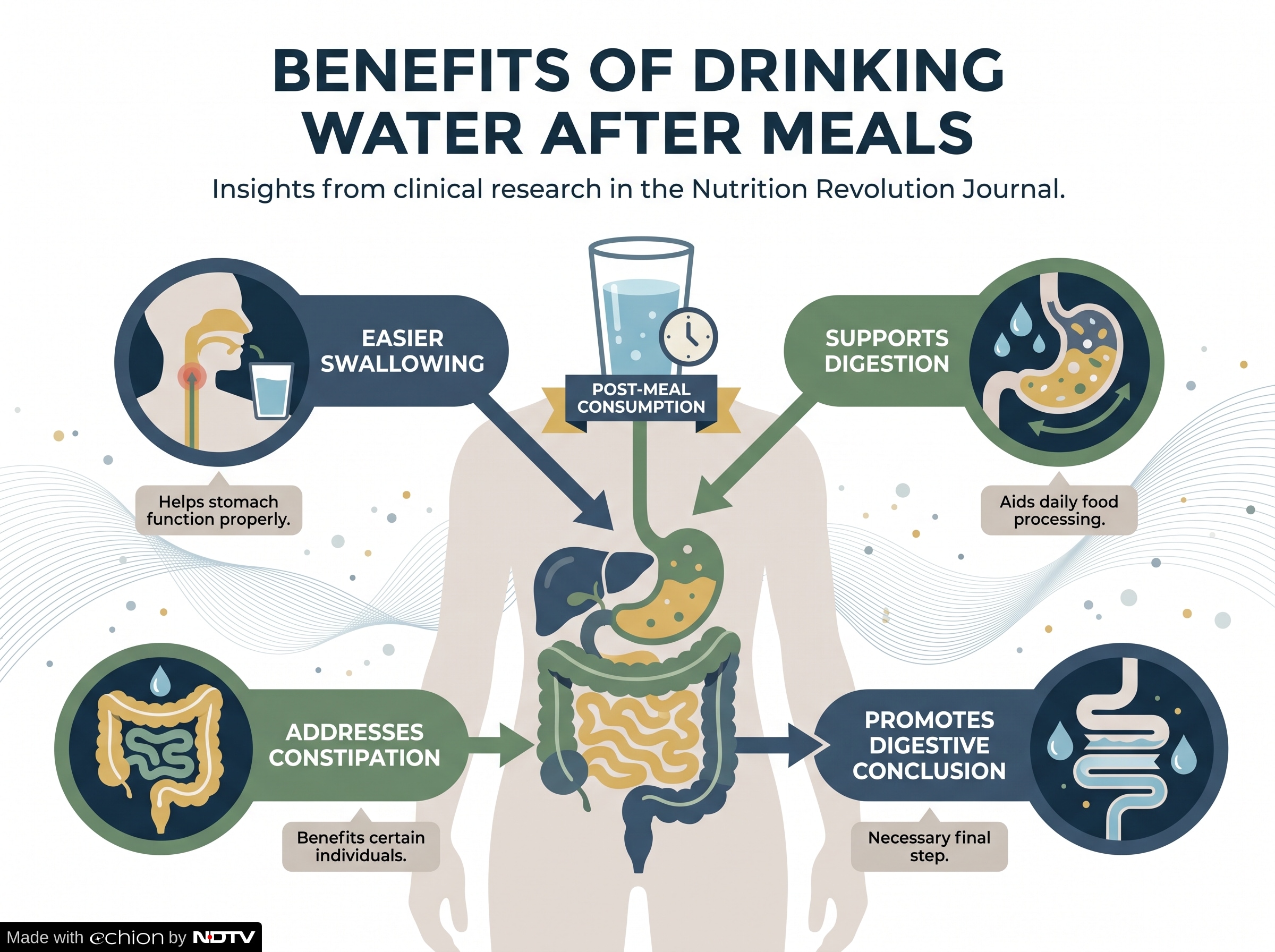
There is clinical research, as published in the Nutrition Revolution Journal, that suggests that drinking water after meals could impact people in the following ways:
- Easier swallowing, which is necessary for the stomach to function properly.
- It can also be used to support digestion, as the body needs to process the food that is consumed daily.
- Addressing the problem of constipation can also benefit certain people.
- Promotes swallowing, as the water consumed after a meal could be a necessary step for the digestive process to conclude.
When Can Drinking Too Much Water Be A Problem?
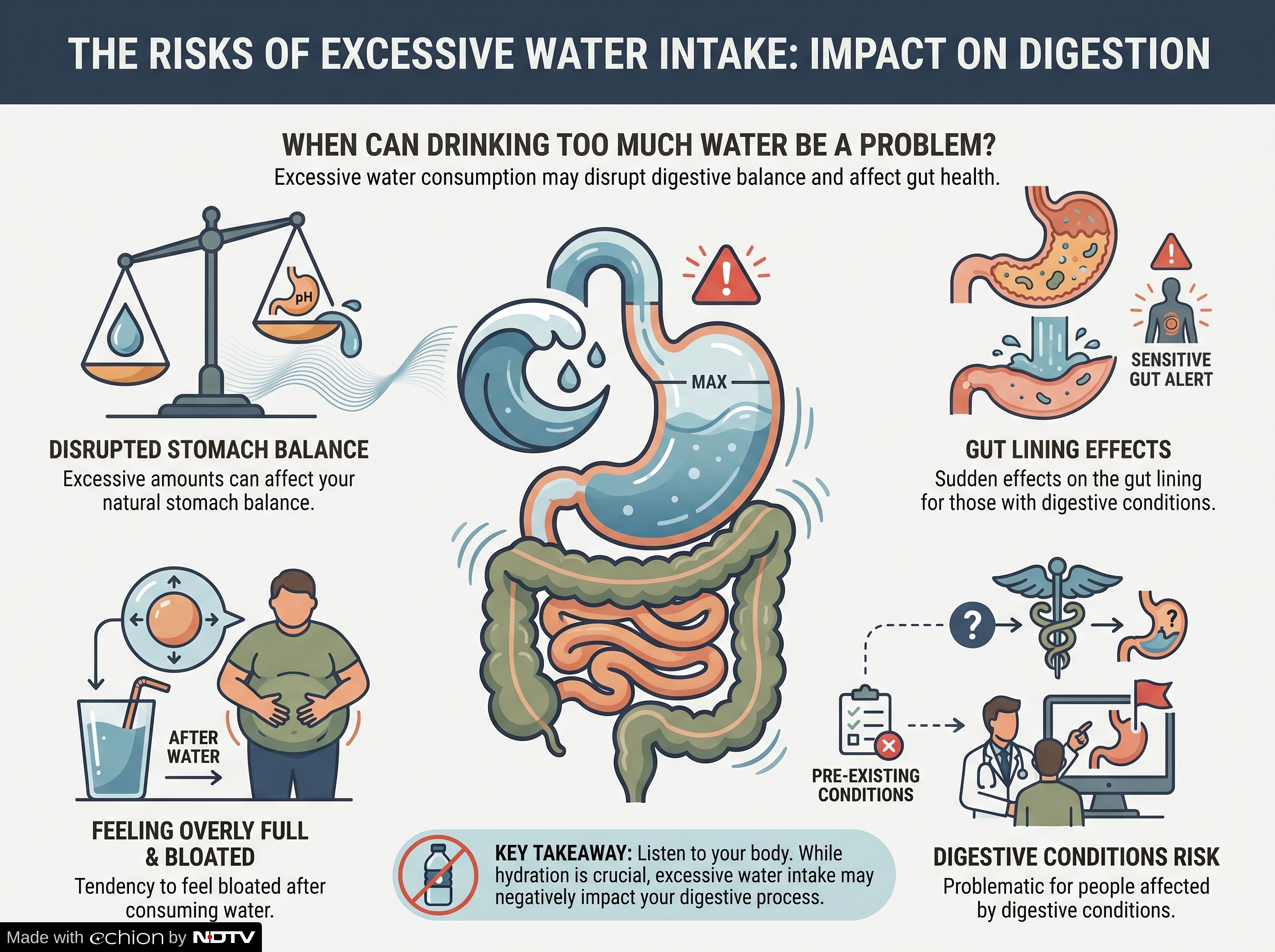
Drinking too much water could be a problem for your digestive process, as excessive amounts of water could affect your stomach balance.
- If you tend to feel overly full or bloated after consuming water, then drinking too much water could be a problem.
- People who are affected by digestive conditions can suffer from sudden effects on their gut lining.
Should People With Acid Reflux Or Indigestion Drink Water After Meals?
People who are already suffering from acid reflux or indigestion can suffer from side effects that they need to keep in mind to be safe:
- Gastro-oesophageal reflux disease
- Bloating
- Irritable bowel syndrome
Common Myths About Drinking Water And Digestion
In order to balance your water intake for the entire day, you need to balance your digestive enzyme intake. Doing so is necessary, as your nutritional intake can also suffer from an imbalance, which could affect mealtime.
Drinking too much water after a meal could also directly impact the way the body processes water intake.
Tips For Healthy Digestion
Healthy digestion could also be affected by your daily habits that could involve the following:
- Eat slowly, as your eating speed can cause a delay in how your body extracts nutrition for its supposed health benefits.
- Chew food thoroughly, as your jaw needs to break down the food properly.
- Stay hydrated throughout the day, as it is necessary for the body's functioning.
- Avoid overeating, as it could slow down your entire digestive process.
- Increase fibre intake, as your digestive process needs a balance of exact digestive enzymes and amino acids.
Drinking water after meals can affect your digestive process; when it is consumed in excess, certain people could suffer from side effects.
Dr Vipulroy Rathod (Director - Gastroenterology and Hepatobiliary Sciences, Fortis Mulund (Gastroenterologist and Endoscopist) answers some commonly asked questions that most people have:
1. Does Drinking Water After Meals Cause Acidity?
"This is a common myth. Drinking water after meals does not cause acidity in most people. Your stomach continues producing acid regardless of water intake, and a normal amount of water doesn't meaningfully dilute digestive enzymes. However, if you gulp down a large quantity very quickly right after eating, it can distend the stomach, and in people who already have GERD or a weak lower oesophageal sphincter, that pressure may trigger reflux symptoms. So it's not the water itself, but the volume and speed of drinking that matters for sensitive individuals."
2. Can Water Worsen Bloating?
"Water itself doesn't cause bloating - in fact, adequate hydration helps prevent it by supporting smooth digestion and preventing constipation. Bloating usually worsens when people drink large volumes rapidly, gulp air while drinking, or reach for carbonated or very cold water on a full stomach. If you already have bloating from gas or slow digestion, drinking too much water in one go can add to that feeling of fullness. Sipping water steadily through the day, rather than large quantities at once, is far gentler on the gut."
3. How Much Water Should I Drink With Meals?
"I generally advise small sips during meals rather than large gulps. About one small glass, roughly 100-150 ml, spread across the meal is reasonable for most people. Drinking excessive amounts can dilute saliva and stomach acid slightly and create a feeling of fullness that interferes with proper chewing and digestion. It's better to hydrate well between meals - about 30 minutes before or after eating - so your digestive system isn't overloaded with fluid right when it's working hardest to break down food."
4. Is Warm Water Better Than Cold Water For Digestion?
"Warm water is generally gentler on digestion. It can help relax the gut muscles, improve blood flow to the digestive tract, and may ease bloating or sluggish digestion for some people. Cold water isn't harmful for most healthy individuals, but in people with sensitive stomachs or existing digestive issues, it can occasionally cause quicker gut contractions or discomfort. There's no strong scientific evidence proving warm water dramatically speeds up digestion, but from clinical experience, most patients with digestive complaints do report feeling more comfortable with warm or room-temperature water."
Also Read: Is Nail Polish Carcinogenic? Oncologist Explain How To Choose The Right One
Disclaimer: This content including advice provides generic information only. It is in no way a substitute for a qualified medical opinion. Always consult a specialist or your own doctor for more information. NDTV does not claim responsibility for this information.