

)
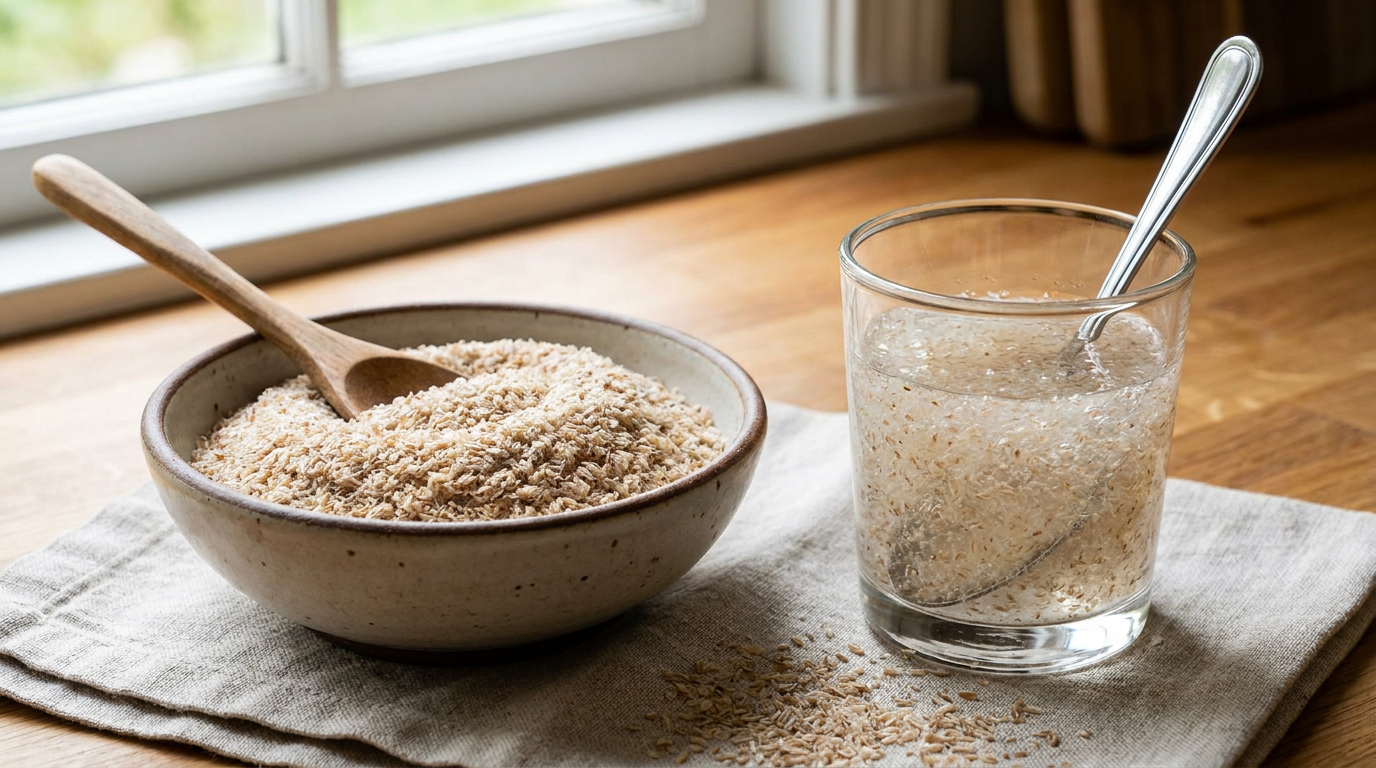
Psyllium husk, commonly known as Isabgol, is the new makhana. While Indians have consumed it for ages, it is now gaining recognition worldwide. For the unversed, psyllium husk is a natural fibre derived from the seeds of the Plantago ovata plant, commonly known as psyllium. It is gaining popularity for several reasons, primarily its health benefits. One key benefit of psyllium husk is its ability to relieve constipation. Isabgol acts as a bulk-forming laxative that safely and effectively addresses occasional constipation. Being a soluble fibre, it forms a gel-like substance in the gut, which helps to soften stools and facilitates easier bowel movements. Additionally, it can increase stool frequency and improve overall bowel health. However, many people are unsure about the appropriate dosage to maximise its benefits.
How much psyllium husk should you be consuming to relieve constipation?
As the saying goes, too much of anything can be harmful. Therefore, it is crucial to consume psyllium husk in the right quantity to avoid potential side effects. It is advisable to start with a lower dosage to allow your gut to adapt, which can help minimise any temporary side effects such as mild bloating or gas.
Psyllium husk dosage for constipation
"The recommended initial dosage of psyllium for an adult who occasionally suffers from constipation is approximately 5 grams, or around 1-2 teaspoons, depending on the specific packaging of the product. It is important to take it with enough water, and this dosage can be changed, but only gradually. Taking too much psyllium at once does not increase its benefits; instead, it can overwhelm your digestive system and cause discomfort or blockages," says Ms Aastha Sharma, Chief Dietician at Yatharth Super Speciality Hospital, Faridabad.
"Psyllium plays a vital role in absorbing excess moisture in the gut. Always take it with a full glass of water, around 240 mL and drink enough during the day," Ms Sharma added.
When is the best time to take?
"There's not a definitive best time of day for consumption of psyllium," the expert said.
She also highlighted that consistency is more important than timing. "As for constipation use of the remedy can be done every day but may be taken after meals according to the directions on the bottle and one's own feelings regarding the preparation. Some people choose to take it in the evening in connection with their daily routine."
"Yet, psyllium must always be mixed with adequate amounts of fluid and taken right away. Moreover, it is important to keep a certain distance between the intake of the remedy and medicines due to its potential effect on absorption," she added.
Who should avoid psyllium or take medical advice first?
"Though psyllium is typically tolerated well, it is not appropriate for everyone without a doctor's advice. Patients who encounter difficulty in swallowing, have a known or suspected bowel obstruction, severe abdominal pain, experience nausea or vomiting, or have unexplained rectal bleeding should not use psyllium on their own without consulting a doctor."
"Patients suffering from kidney disease, diabetes, cardiovascular causes, or those taking regular medications should consult their healthcare provider regarding its use. Even if a patient's condition allows for the safe use of psyllium, that patient should seek medical help if he or she experiences severe abdominal pain, difficulty in swallowing or breathing, vomiting or worsening of constipation," the dietician explained.
Psyllium is helpful in treating constipation, but water intake should be emphasised. It is recommended that patients start with a smaller amount and gradually increase the dose.
Disclaimer: This content including advice provides generic information only. It is in no way a substitute for a qualified medical opinion. Always consult a specialist or your own doctor for more information. NDTV does not claim responsibility for this information.