
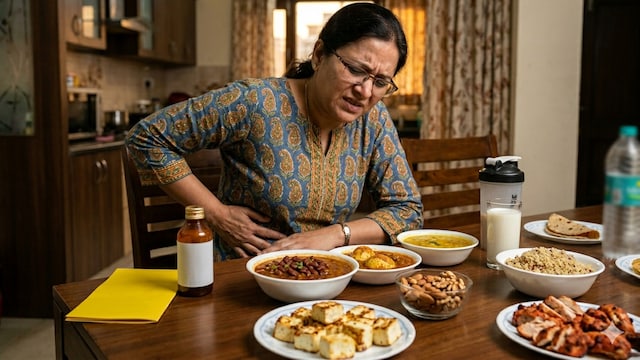
A diagnosis of fatty liver disease can be concerning. Fatty liver, characterised by the accumulation of fat in liver cells, can arise from various factors, including obesity, poor diet, and excessive alcohol consumption. Recently, non-alcoholic fatty liver disease (NAFLD) has become increasingly common due to rising rates of obesity and sedentary lifestyles. However, the good news is that making specific changes to your diet and lifestyle can significantly improve your liver health. If you've recently been diagnosed with fatty liver, it's crucial to understand that your liver's health is closely tied to your overall well-being. Adopting healthier habits can help reverse the condition and prevent further complications, such as inflammation, fibrosis, or cirrhosis.
Diet and lifestyle changes to reverse fatty liver
Early-stage fatty liver is reversible. Implementing the following structural changes to your daily routine immediately will reduce the metabolic strain on your liver.
Immediate dietary changes to consider
Your primary nutritional goal is to replace simple sugars and unhealthy fats with high-fibre alternatives and lean proteins.
-
Eliminate added sugars
High sugar intake, particularly from fructose found in soft drinks and processed foods, has been linked to fatty liver.
-
Swap refined carbs with whole foods
Whole grains like brown rice, oats, and quinoa are high in fibre and nutrients. They stabilise blood sugar levels and promote a healthy weight, which is crucial for reversing fatty liver.
-
Switch to healthy fats
Focus on incorporating sources of healthy fats, such as avocados, nuts, seeds, and olive oil. Omega-3 fatty acids found in fatty fish can help reduce liver fat.
-
Prioritise lean proteins
Choose lean protein sources, such as chicken, turkey, fish, legumes, and tofu. These can help support muscle mass while promoting weight loss and liver health.
-
Load up on fruits and vegetables
These foods are packed with antioxidants and essential vitamins that support liver function. Aim for a colourful variety to ensure diverse nutrient intake.
-
Drink black coffee
Unsweetened black coffee contains plant polyphenols that reduce liver inflammation and fat accumulation.
Lifestyle changes
-
Regular physical activity
Aim for at least 150 minutes of moderate-intensity exercise each week. Activities like walking, cycling, swimming, or dancing can help burn excess fat and improve overall health.
-
Achieve a healthy weight
If overweight, aim for a gradual weight loss of 5-10% of your body weight. This can significantly reduce liver fat and improve function.
-
Stay hydrated
Adequate hydration supports overall health and is crucial for the liver's detoxification processes. Drinking enough water can also aid in digestion and nutrient absorption.
-
Manage stress
Chronic stress can impact overall health. Practice stress-reduction techniques such as mindfulness, meditation, or yoga to support your mental and emotional well-being.
Hard cut-offs
Certain substances place extreme stress on liver cells and must be stopped immediately.
- Alcohol: Completely eliminate alcohol. Even moderate drinking hinders the liver's ability to heal and clear existing fat deposits.
- Avoid ultra-processed foods: Discard store-bought frozen meals, fast food, chips, and commercial biscuits. They are hyper-palatable and loaded with hidden trans fats that damage liver tissue.
Making these dietary and lifestyle changes can set you on the path toward improved liver health and overall wellness. While it may take time to see significant changes, consistency and commitment are vital keys to success. Also, stay in touch with your doctor for regular medical examinations or medical assistance.
Disclaimer: This content including advice provides generic information only. It is in no way a substitute for a qualified medical opinion. Always consult a specialist or your own doctor for more information. NDTV does not claim responsibility for this information.