

)
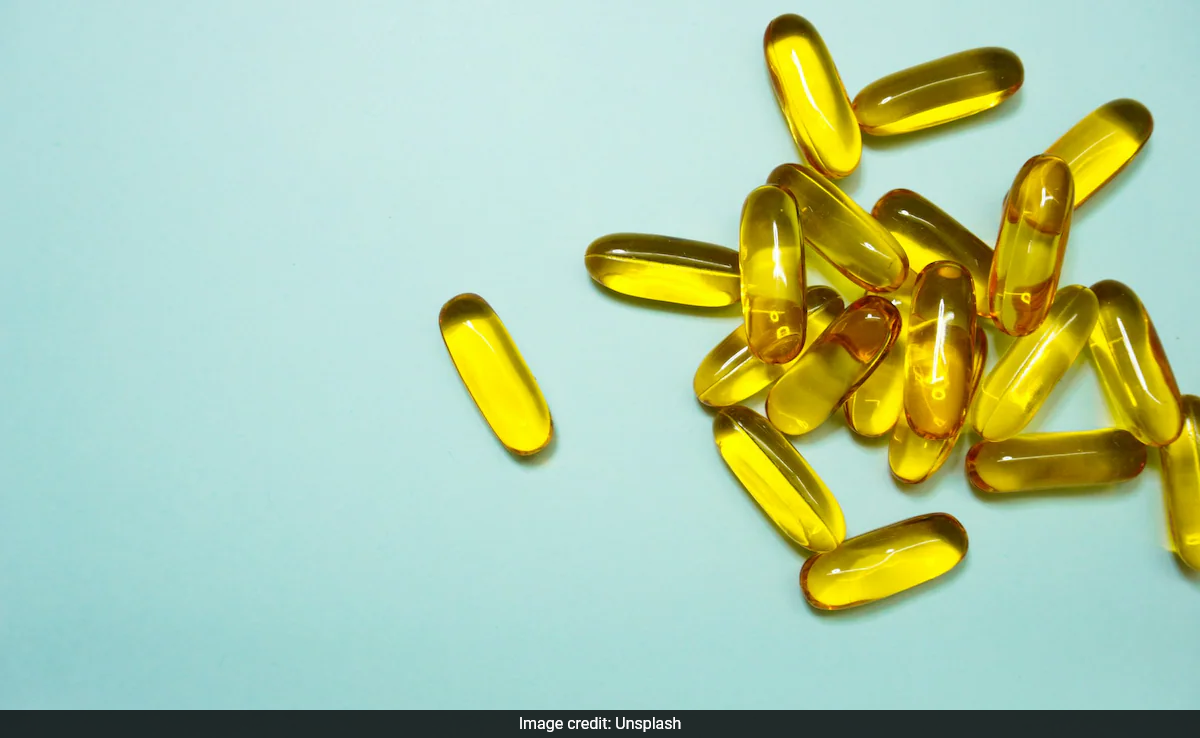
A recent study has found that taking a daily fish oil supplement can help to lower the risk of serious heart -related complications in people undergoing dialysis for kidney failure. The study, known as the PISCES trial, was conducted in Australia by Monash Health and the School of Clinical Sciences at Monash University. The findings of the study were shared at the American Society of Nephrology Kidney Week 2025 and published in The New England Journal of Medicine.
For the study, the researchers followed 1,228 patients with a mean age 64.3 years, who were receiving dialysis at 26 sites across Australia and Canada for a mean duration of 3.7 years. They randomised 610 to the fish oil and 618 to placebo at 16 sites in Canada and Australia between 2013 and 2019. Of these participants, nearly one-third of them had a history of a cardiovascular event, and mean baseline LDL cholesterol and triglyceride levels were 1.9 mmol/L and 1.3 mmol/L, respectively. Slightly more than half were on statins at the start of the study.
The study found that participants who took four grams of fish oil each day showed significant improvements. The supplements had the natural omega-3 fatty acids EPA and DHA. When they were compared to those who were given a placebo, the researchers saw that the results showed that the patients experienced a 43 percent reduction in serious cardiovascular events. The result measured included heart attacks, strokes, cardiac-related deaths, and vascular related amputations.
Adjunct Professor Kevan Polkinghorne, a nephrologist at Monash Health and adjunct in the School of Clinical Sciences, led the Australian portion of the trial. Professor Polkinghorne said, "Patients on dialysis have extremely high cardiovascular risk, and very few therapies have been shown to reduce that risk. In a field where many trials have been negative, this is a significant finding.
"Dialysis patients typically have much lower levels of EPA and DHA than the general population. This may help explain the magnitude of benefit observed in this group."
Charmaine Lok, MD (University Health Network, Toronto, Canada) and lead author told TCTMD that the "results are quite striking". "Patients who are on haemodialysis have the lowest levels of omega-3 fatty acids recorded in the medical literature," she said. "Perhaps one of the effects is that we're able to bring it up to baseline or even above, and then to allow for those cardioprotective effects." She also said that the fish oil used in the study may have improved both traditional and nontraditional risk factors often present in a haemodialysis population, including atherogenic lipids, inflammation, and oxidative stress. It's possible the supplements also reduced the risk of acute thrombotic events, too. More work needs to be done to look at these potential mechanisms, though.
Professor Polkinghorne highlights that the results were specific for people receiving haemodialysis for kidney failure. He cautioned that the findings should not be extended to healthy individuals or other patient populations.
Speaking about the type of fish oil, Lok does not recommend just any pills. She said that the PUFA dose which was used for the PISCES study was "quite high" and pure. "I don't know that you would have the same effect if you just bought something over the counter," she further said.
Disclaimer: This content including advice provides generic information only. It is in no way a substitute for a qualified medical opinion. Always consult a specialist or your own doctor for more information. NDTV does not claim responsibility for this information.