

)
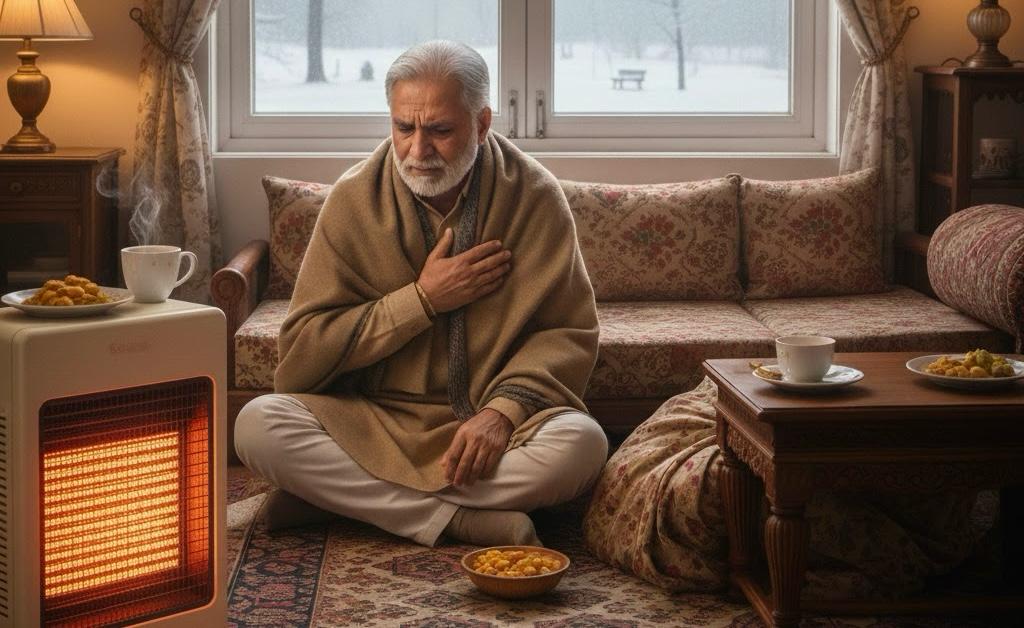
A severe cold wave swept across north India on Monday, pushing temperatures to season's lowest levels and bringing biting cold conditions to large parts of the region, including the national capital. As large parts of north India continue to experience severe cold wave conditions, doctors at AIIMS Delhi have cautioned that extreme cold can significantly worsen chronic medical conditions, particularly heart, lung, kidney and metabolic disorders.
Delhi recorded its coldest January day since 2023 as the minimum temperature dipped to around 3 degrees Celsius at several weather stations across the city. The Safdarjung observatory reported a low of 3.2 degrees Celsius, marking the lowest minimum temperature of the season so far.
The chill was sharper in the outskirts of the National Capital Region, where near sub-zero conditions were reported.
According to the India Meteorological Department, the cold spell is expected to persist over the next few days, with severe cold wave conditions likely to continue in isolated pockets of northern India.
Cold raises heart attack risk
Dr Rajiv Narang, Professor of Cardiology at AIIMS, said cold weather places added strain on the cardiovascular system. "In winter, blood vessels constrict, water intake drops and salt consumption often increases. Together, these factors raise blood pressure and increase the risk of heart attacks," he said.
He advised people, especially those with heart disease, to avoid early morning walks during intense cold and poor air quality. "Winter pollution further aggravates heart-related risks. Patients must continue taking their prescribed cardiac medicines without fail," Dr Narang said.
Calling for policy-level intervention, he added, "Cold waves should be taken as seriously as heat waves. Just as heat action plans exist, cold action plans are equally necessary to protect vulnerable populations."
Cold air worsens lung diseases
Explaining the impact of cold air on the lungs, Dr Sanjeev Sinha from the Department of Medicine, AIIMS, said inhaling cold air directly irritates the airways. "Cold air causes narrowing of the breathing passages, which can trigger bronchospasm, a sudden tightening of airway muscles," he said.
This is particularly dangerous for patients with Chronic Obstructive Pulmonary Disease (COPD), a long-term lung condition that includes chronic bronchitis and emphysema, as well as those with bronchial asthma. "Such patients often experience increased coughing, breathlessness and wheezing during cold waves. Some also become more susceptible to pneumonia," Dr Sinha explained.
He said outpatient departments are already seeing a surge in cases. "I see around seven to ten patients daily with cold-related respiratory complaints," he said, advising people to step out only when necessary, wear multiple layers of warm clothing, take inhalers and medicines regularly, and drink warm fluids.
"Cold waves cause major physiological changes in the body, just like heat waves. Northern India needs to recognise this as a serious public health challenge," Dr Sinha added.
Diabetes care during winter
Endocrinologist Dr Rajesh Khadgawat of AIIMS highlighted that diabetes management becomes more difficult in winter. "Physical activity reduces during cold weather, which directly affects blood sugar control," he said, urging patients to remain active indoors through stretching, yoga or light exercises.
He also recommended vaccination for vulnerable patients. "The pneumococcal vaccine, such as PPS23, protects against serious infections caused by the pneumococcal bacteria, including pneumonia, bloodstream infections and meningitis. It significantly reduces the risk of severe illness in diabetics and elderly patients," Dr Khadgawat explained.
Children at higher risk
Dr Rakesh Lodha, Associate Dean (Academic) and Professor of Paediatrics at AIIMS, said infants and young children are especially vulnerable during cold waves. "Newborns and premature babies have a larger body surface area compared to their weight, leading to faster heat loss," he said.
Cold stress in children can lead to lethargy, poor feeding and breathing difficulties, Dr Lodha warned, adding that respiratory infections are the most common reason children are hospitalised during winter. He stressed that covering the head is crucial, as it is one of the most sensitive areas for heat loss.
Kidney patients need strict BP control
Highlighting risks for kidney patients, Dr Sandeep Mahajan, Professor of Nephrology at AIIMS, said blood pressure often rises during cold weather. "Most kidney disease patients also suffer from hypertension, making blood pressure control critical during winter," he said.
He advised maintaining a blood pressure target of below 130/80 mm Hg for most patients, while allowing a slightly relaxed range of 140-145 mm Hg for the elderly. "Patients should avoid excessive salt and protein intake and should not overconsume seasonal vegetables like spinach or mustard greens without medical advice, as they can raise potassium levels," Dr Mahajan said.
Indoor physical activity, regular blood pressure monitoring and drinking water according to thirst are key to staying healthy during cold spells, doctors said.
Experts emphasised that cold waves are not merely weather events but serious health stressors that demand awareness, preparation and timely medical care, both at the individual and policy levels.
Disclaimer: This content including advice provides generic information only. It is in no way a substitute for a qualified medical opinion. Always consult a specialist or your own doctor for more information. NDTV does not claim responsibility for this information.