

)
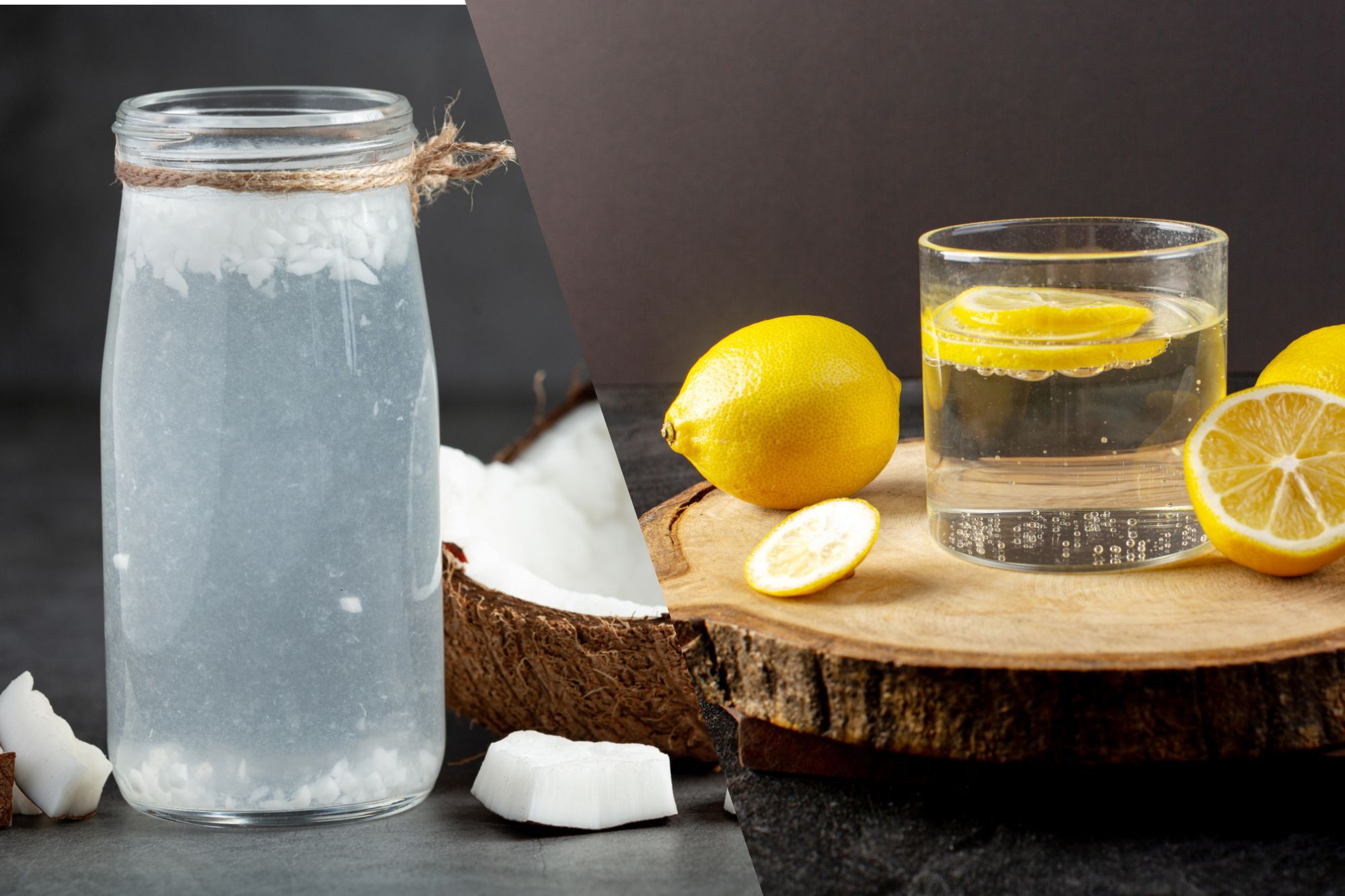
According to a Nature research report, climate projections show a sharp rise in dangerous heat index days across India. This basically means that conditions feel hotter than the actual temperature due to humidity. To deal with this rise in temperature, maintaining hydration is crucial to avoid dealing with the side effects. These can range from sunstroke, heat cramps, kidney problems, seizures, to the fatal event of hypovolemic shock. So, to balance your hydration levels throughout the day and to ensure that you are drinking enough hydrating drinks, after primarily drinking water, the two most common sources are coconut water and nimbu panni, or lemonade. To figure out which hydrating drink is better, you need to look at its individual hydrating factors, starting from its origin. Coconut water is a naturally sourced hydrating drink from whole coconuts that contains water, while nimbu panni is individually prepared by combining lemon or nimbu, salt, spices, and sugar for taste. But all of these ingredients, their exact quantities, can change the way the drink is absorbed by the body.
Coconut Water Vs. Nimbu Paani: Which Is Better For Hydration?
There is a clear distinction between how freshly opened coconuts provide nutritional value when consumed immediately, compared to their packaged counterparts. The form of consuming these drinks matters, as packaged lemonade has reduced nutritional value, as it has preservatives, additives, flavours, and sometimes even synthetic food colours to make it pleasing to the eye.
The Indian Council of Medical Research (ICMR) and the National Institute of Nutrition (NIN) have established dietary guidelines on how much hydration is needed to beat the heat, which can vary depending on the exact outside temperature and humidity level.
Based on their individual nutrient profiles, you can choose which one you need:
Coconut Water (per 100 ml serving)
- Calories: 18 to 20 kcal, but it can increase depending on the packaged versions of the neutral hydrating drink.
- Carbohydrates: 4 to 5 g (It is mostly natural sugars like glucose and fructose, but if added sugars exist, then it may prove dangerous for people with diabetes and blood sugar control issues.)
- Protein: 0.2 g
- Fat: 0.1 g
- Electrolytes from vitamins:
- Potassium: 250 to 300 mg
- Sodium: 105 mg
- Magnesium: 25 mg
- Calcium: 25 mg
- Vitamins: Small amounts of vitamin C, B-complex vitamins
- Other: Naturally isotonic, meaning its electrolyte balance is similar to human plasma, making it effective for mild dehydration.
Note: As per the NIN, the primary source of hydration should be water, but supplementary hydrating drinks like coconut water can provide additional support and nourishment.
Nimbu Paani (per 200 ml serving)
The average serving size of lemonade is important, as drinking too much and at shorter intervals can even cause side effects.
- Calories: 25 to 40 kcal (varies depending on sugar content, and if refined white sugar is added for taste, then consider that it may cause a sudden blood sugar spike)
- Carbohydrates: 6 to 10 g (from lemon juice and added sugars)
- Protein: 0.2 g
- Fat: Negligible
- Electrolytes (if salt is added, most commonly kala namak, or black salt, is added, which is better than plain white salt):
- Sodium: 200 to 300 mg
- Potassium: 50 to 100 mg
- Vitamin C: 20-25 mg (from lemon juice, which forms about 25 to 30% of the daily requirement)
- Other Micronutrients: Small amounts of calcium, magnesium, and flavonoids (antioxidants) are present.
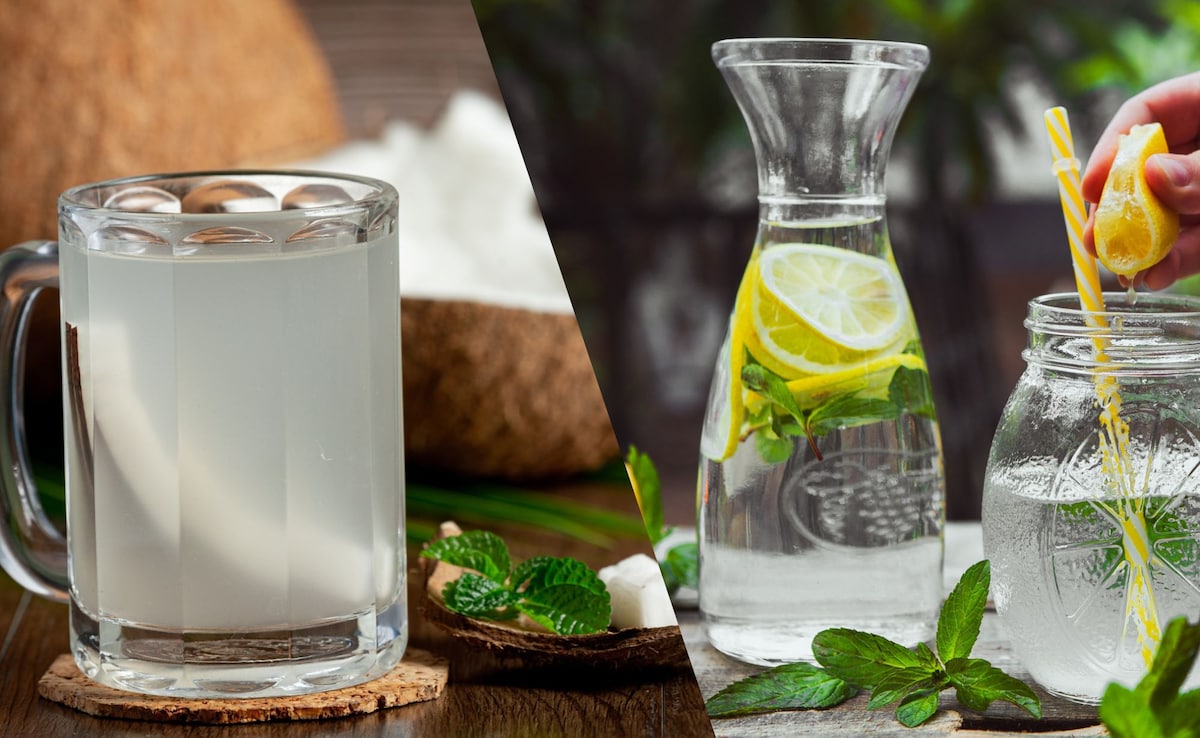
Coconut water and nimbu paani
Photo Credit: Freepik
Hydration Benefits
Both coconut water and nimbu paani are hydrating drinks, but their difference lies in their ingredient lists. So, read the label of the drink you are consuming to figure out whether the homemade version could be healthier and a better fit for your body.
- Coconut water: It is a natural electrolyte drink, often compared to sports drinks.
- Nimbu paani: It is simple, accessible, prevents dehydration, and boosts immunity.
The Journal of the International Society of Sports Nutrition, which looked at coconut water and compared it with a carbohydrate-electrolyte sports drink, found promising results in putting coconut water at the forefront.
As per the International Journal of Sport Nutrition and Exercise Metabolism, lemonade could prove fruitful for providing hydration and even offer benefits during short-term recovery from exercise.
Which Is Better?
As per ICMR-NIN guidelines, the key to hydration is balanced hydration with water and electrolytes. But to choose which one is for you, you need to consider the following:
- Coconut water is good for mild dehydration but not a replacement for medical rehydration solutions. Severe dehydration requires WHO-certified oral solutions to replenish the body.
- Nimbu paani is affordable, widely available, and can be easily prepared by combining simple ingredients.
- Coconut water is best for quick electrolyte replenishment after exercise or heat exposure.
- Drinking nimbu paani is ideal for everyday hydration, as it boosts immunity and is affordable.
- Both are beneficial, but the choice depends on context, as people who practise intense exercise and people who seek daily hydration.
Also Read: Can Drinking Cold Water Cause A Cold? This And 5 Winter Health Myths Busted
Practical Advice For Effective Hydration
To effectively maintain hydration to deal with extreme temperatures, here is some practical advice to implement:
- Use coconut water occasionally for recovery, as drinking it every day can become boring after a while.
- Make fresh nimbu paani for a daily hydration option and drink the recommended dose as per the temperature outside.
- Avoid excess sugar in either drink, as it can lead to sudden blood sugar spikes, especially if you are drinking it during the day, when you haven't eaten for long hours.
Both drinks are healthy and offer hydration benefits, but nimbu paani is the ideal choice for everyday hydration due to accessibility and affordability. But do not ignore coconut water, which is excellent for special cases like post-exercise recovery.
Disclaimer: This content, including advice, provides generic information only. It is in no way a substitute for a qualified medical opinion. Always consult a specialist or your own doctor for more information. NDTV does not claim responsibility for this information.