

)
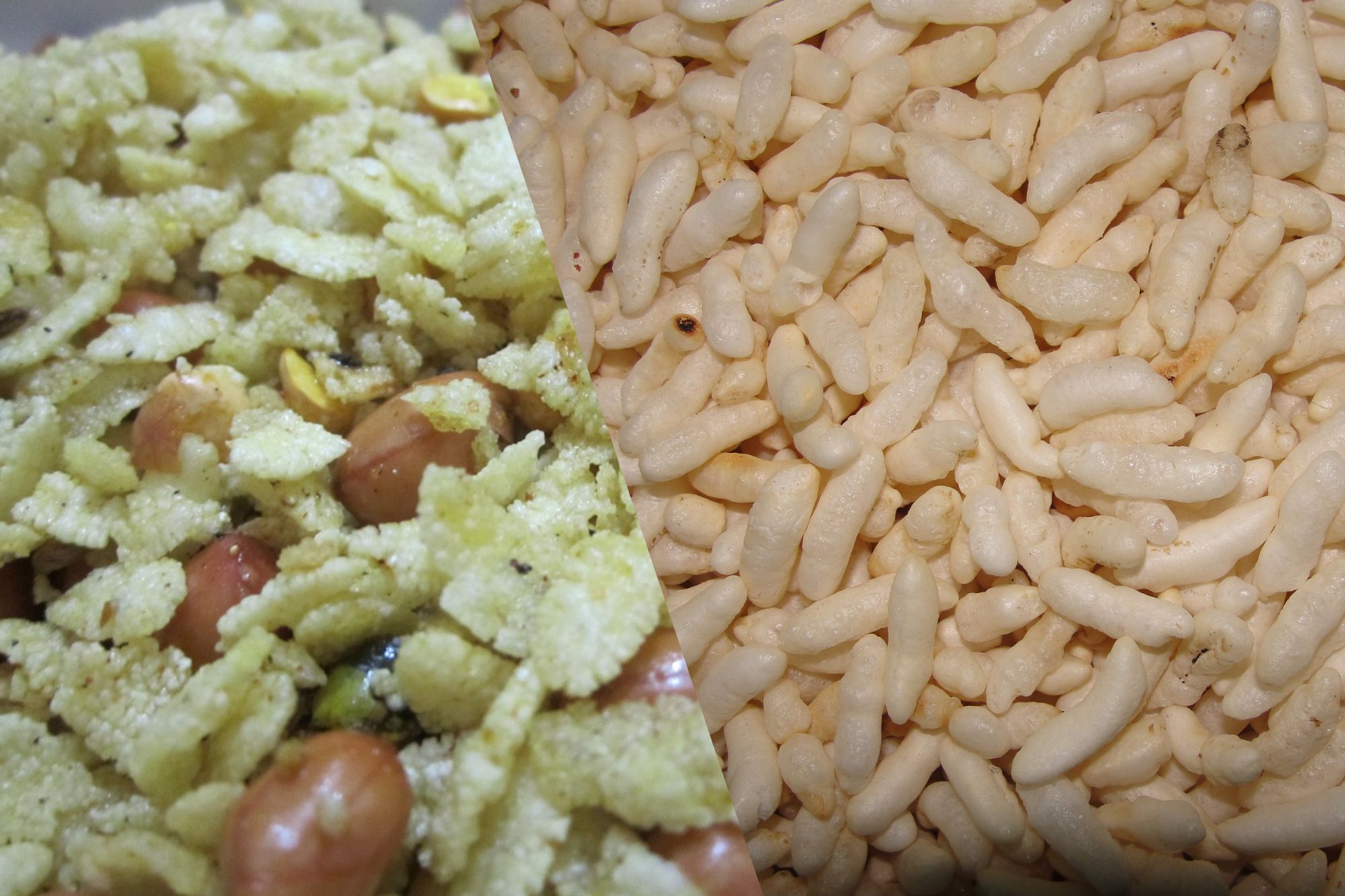
Chivda is a mixture of flattened rice, or poha, with nuts and spices, while murmura is just plain puffed rice. These are most commonly consumed for their ability to regulate weight while offering satisfaction to people who are looking for safe snacking options. The Indian population, from adults to teenagers to children, is becoming overweight at more than double the rate when their dietary habits are examined over the course of 10 years as highlighted by UNICEF. The Economic Survey 2026 has flagged ultra-processed food consumption as a potential cause of the alarming rates of obesity and non-communicable diseases (NCDs). These troubling findings all point to the need to make a switch to healthy snacking options to control the dietary requirements of a population that is exploding. For the people who are seeking to make the switch to healthier options, chivda and murmura could be the answer to their quest for a healthy snack on their table.
Nutritional Profile Of Chivda And Murmura
To effectively assess which snack is better for weight loss, the individual nutrient profiles need to be looked at. This is where the Indian Council of Medical Research (ICMR) and National Institute of Nutrition (NIN) could prove helpful.
Chivda Nutritional Breakdown (per 100 g)
- Energy: 350 to 400 calories
- Protein: 6-8 g
- Fat: 8 to 12 g (can vary with the addition of oil or nuts)
- Carbohydrates: 70-75 g
- Dietary Fibre: 2 to 3 g
- Iron: 2-3 mg
- Calcium: 10-15 mg
Chivda is made from flattened rice (poha), often fried with oil, peanuts, and spices, which also make a significant difference in the nutritional density.
Note: The oil on the label can affect your weight loss efforts; you need to avoid consuming hydrogenated vegetable oil, which is known to increase weight.
Murmura, or Puffed Rice, Nutritional Breakdown (per 100 g)
- Energy: 402 kcal
- Protein: 6 g
- Fat: 0.5 g
- Carbohydrates: 90 g
- Dietary Fibre: 1.3 g
- Calcium: 9 mg
- Iron: 1.4 mg
These figures indicate that puffed rice is very low in fat, especially when it comes to chivda, as it is the sole ingredient, while chivda is a combination snack whose nutritional value can differ as per the oil used in the packaging.
Puffed rice is high in carbohydrates and light on the stomach, but its low protein and fibre make it less filling, often leading to overeating.
It is low in protein and fibre, so pairing it with sprouts, nuts, or curd improves satiety (fullness). When the goal of the individual is weight loss, then the overall nutrient density, along with the form in which it is eaten, makes a difference.
These nutritional figures indicate that puffed rice is naturally low in calories and fat, making it an ideal snack for people seeking weight loss.
Also Read: High-Protein Breakfast Improves Focus, Says Study; Tips To Consume More Protein Every Morning
Calorie Comparison Of Murmura And Chivda
Murmura, or puffed rice, contains 402 calories per 100 g, while chivda contains 350 to 400 calories depending on the oil used, along with the flavours, spices, and quality of the nuts used. The ICMR and NIN established dietary guidelines indicate that puffed rice is a traditionally low-fat snacking option, but the key to attaining balance is to practise moderation and balanced diet planning.
The form of chivda being consumed matters a great deal, as assessing the exact list of ingredients on the packet could be the difference in your waistline. The freshness of it also affects the nutrient absorption in your body. To make the snack satiable and healthy, the balance needs to be struck between the person eating it and how it is being eaten, as well as when it is being eaten.
Note: Calorie restriction can result in yo-yo weight and nutrient deficiencies, so consulting a nutritionist is key to formulating a sustainable weight loss plan. Due to the complex nature of individualised weight loss, you need a tailored and safe approach to weight loss that lasts and offers you health benefits.
Also Read: Stem Cell Therapy Breakthrough: Type 2 Diabetes Reversed In Historic Case In China
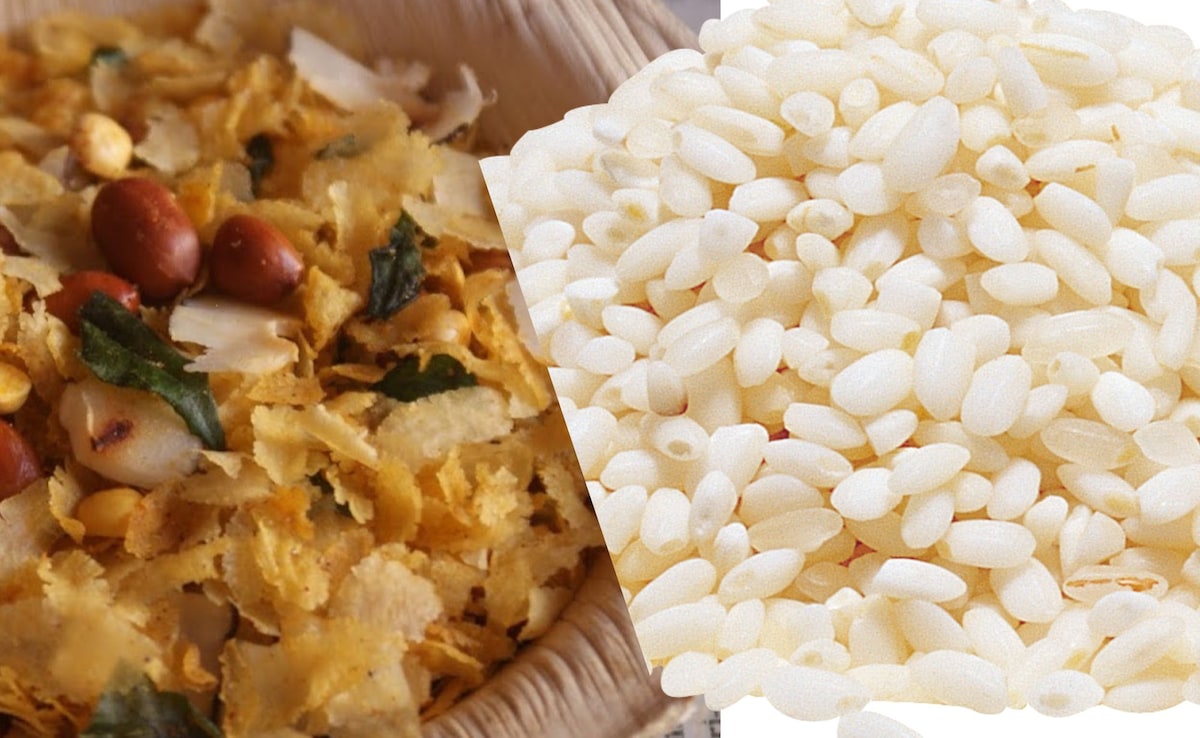
Chivda and murmura that are healthy snacking options for weight loss
Photo Credit: Google/ creative common license
Satiety And Weight Loss Impact
The form of puffed rice indicates that it is light, but you need to eat a lot of it to actually feel full. According to the Current Obesity Reports, the ability of foods to offer fullness after eating them is directly related to obesity prevention. The ability to become full-on healthy snacks impacts the overall nutrient composition and influences overall weight control.
On the other hand, chivda has more protein and fat content from the nuts and is more calorie-dense, but if it is eaten in moderation, then the impact is negligible. The daily physical activity level can impact your weight loss goals and ability to process snacks such as chivda.
As mentioned in the International Journal of Behavioural Nutrition and Physical Activity, there are major calorie-restriction practices that reduce the chances of obesity.
Each of them needs to be determined by a certified nutritionist or dietician, and can only be done when there is thorough medical testing and analysis of the dietary habits.
So, chivda and murmura are both great snacking options, but for effective weight loss, murmura may prove to have an edge. A nutritionist can offer tailored, sustainable weight loss guidance for you.
Disclaimer: This content, including advice, provides generic information only. It is in no way a substitute for a qualified medical opinion. Always consult a specialist or your own doctor for more information. NDTV does not claim responsibility for this information.