

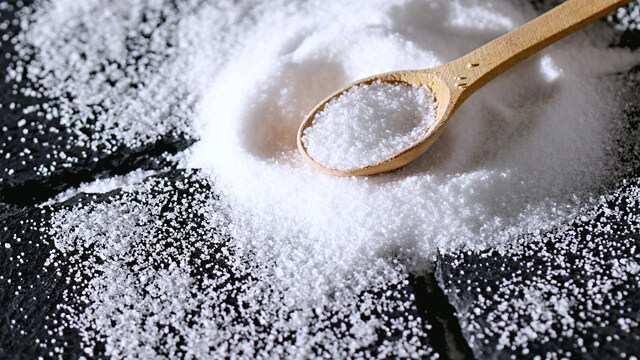
Salt is the most common ingredient used in savoury foods. While the right amount of salt is believed to enhance the taste of your dishes, it is also essential for maintaining healthy iodine levels. Adequate iodine is necessary for normal thyroid function and metabolism. However, like many food products, the market is flooded with different types of salt. These salt variants often have fancy names and are believed to contain more minerals than regular salt, but not all of them have sufficient iodine.
In an Instagram post, Dr. Arrjun Sankaran, a Hyderabad-based Cancer Surgeon, shared a complete guide to choosing the right salt. A deficiency of iodine can lead to goitre, hypothyroidism, memory issues and pregnancy risks.
"I am a cancer surgeon, and you might be using the wrong salt. Pink, sendha, Celtic or plain white: which salt should you use? And is white salt really bleached?" he wrote in the post.
1. White salt
"No, it isn't bleached. Pure salt is naturally white. Most of India's salt is sea salt, dried in the sun, then cleaned and iodised. By law, white salt sold for eating in India must be iodised," Dr. Sankaran explained.
Use it for: Everyday cooking
2. Pink salt, sendha namak or kala namak
Social media has popularised the use of sendha namak in everyday cooking. However, it can do more harm than good. Pink salt, sendha namak and kala namak contain very low amounts of iodine. Therefore, these should be used occasionally, not daily.
"Pink salt and sendha namak are rock salt. Their extra minerals are too tiny to help. Pink, sendha and kala namak mostly have almost no iodine. Celtic salt is mostly plain salt, with almost no iodine too," Dr. Sankaran added.
He further recommends that these salts can be used occasionally for a different taste.
READ | FSSAI Proposes Red Hexagon Warning Labels On Front Of Packaged Foods High In Sugar, Salt, Fat
3. Sea salt
"Most salt in India is sea salt. It contains iodine if the pack says iodised. Use for cooking if it is iodised," he added.
4. Low-sodium salt
Individuals with high blood pressure are often recommended to consume low-sodium salt to manage the condition effectively. Low-sodium salt replaces a portion of sodium chloride with potassium chloride to lower your sodium intake while keeping a salty taste.
"It can help with BP. However, individuals with kidney disease, BP or potassium tablets should ask their doctor first," Dr. Sankaran added.
READ | "It's Not Just About Salt": Top Cardiologist Shares Practical Tips To Lower Blood Pressure Naturally
Final verdict
"The colour matters less than iodine. Your thyroid needs it. A baby's brain needs it to grow. And getting enough iodine is linked to a lower risk of some thyroid cancers."
"Use any iodised salt for daily cooking. Check the pack for the word iodised. And keep all salt under 1 teaspoon a day, pickles and papad included," Dr. Sankaran concluded.
Disclaimer: This content including advice provides generic information only. It is in no way a substitute for a qualified medical opinion. Always consult a specialist or your own doctor for more information. NDTV does not claim responsibility for this information.