

)
Can your face tell you that something is wrong with your heart? While certain visible changes may occur during a serious cardiac event, doctors caution that there is no specific facial sign that can reliably diagnose a heart attack. Waiting for a change in facial appearance could therefore delay potentially life-saving treatment. A heart attack occurs when blood flow to part of the heart muscle becomes blocked. The resulting lack of oxygen can cause symptoms ranging from chest discomfort and breathlessness to sweating, nausea and sudden weakness. In some people, however, the symptoms may be less obvious. According to Dr Udgeath Dhir, Principal Director, Cardio Thoracic Vascular Surgery, FMRI, Gurgaon, the face may sometimes reflect the body's response to reduced blood flow and distress, but it should never be used as a diagnostic tool.
Can Your Face Look Different During A Heart Attack?
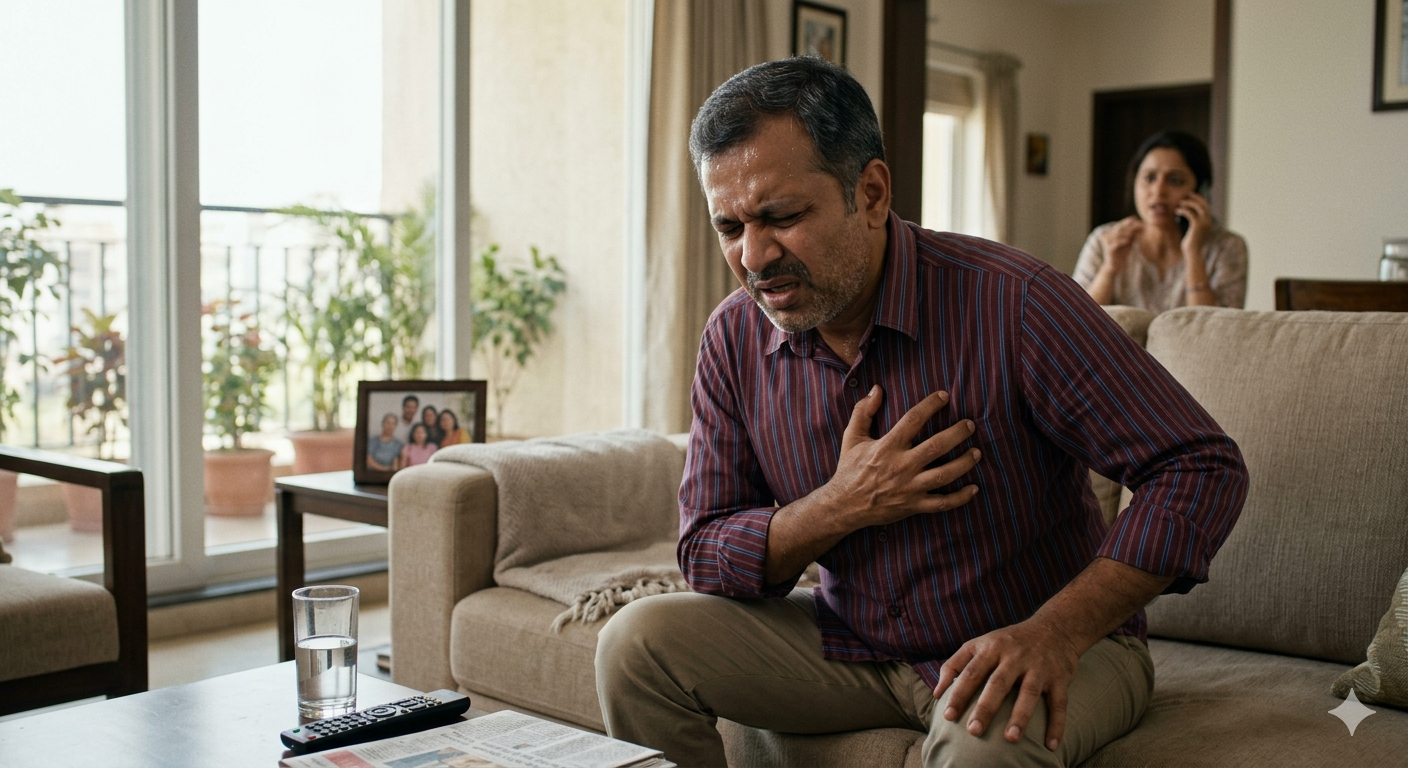
"A heart attack does not usually have a specific or reliable 'sign' on the face that can be used to diagnose it," says Dr Dhir. However, during a significant cardiac event, a person's overall appearance may change because the body is under stress. The face may appear unusually pale, sweaty or clammy. In more serious cases, the lips or face may take on a bluish appearance, which can indicate inadequate oxygenation. These signs, however, are not unique to a heart attack. They can occur with several other medical emergencies and should be considered alongside other symptoms.
Chest Discomfort Is A More Important Warning Sign
Rather than looking for changes in the face, it is more important to recognise the common symptoms of a heart attack. According to Dr Dhir, chest pressure, heaviness or discomfort is a key warning sign, particularly when it persists or repeatedly returns. The discomfort may also spread beyond the chest and radiate towards the:
- Arm or shoulder
- Back
- Neck
- Jaw
A person may also experience breathlessness, cold sweating, nausea, dizziness or sudden unusual weakness. Not everyone will experience all of these symptoms, and the severity can vary from person to person.
Heart Attack Symptoms May Not Always Be Typical
One of the biggest challenges is that a heart attack does not always present with the classic symptoms shown in films or television. Some people may experience relatively subtle or unusual symptoms. This can make it easy to mistake a potentially serious cardiac problem for indigestion, tiredness or another minor issue. This is particularly important for people with certain risk factors, including diabetes.
Why Diabetes Can Cause A 'Silent' Heart Attack
People with longstanding diabetes can sometimes develop nerve damage that affects their ability to sense pain. "In people with diabetes, particularly those with longstanding diabetes, a heart attack can sometimes be 'silent' because nerve damage may reduce the sensation of chest pain," Dr Dhir explains. Instead of obvious chest pain, they may experience symptoms such as breathlessness, unusual fatigue, unexplained uneasiness, sweating, indigestion or repeated burping. These symptoms can easily be mistaken for a gastric problem, especially if there is no chest discomfort.
However, new or unexplained symptoms should not automatically be attributed to acidity or indigestion, particularly if they occur during physical activity or exertion.
When Should You Take Unusual Symptoms Seriously?
A sudden change in how you feel, particularly during exertion, deserves attention if it is unusual for you or does not settle. "Such atypical symptoms should not automatically be dismissed as a gastric problem, particularly when they are new or occur with exertion," says Dr Dhir. This is especially important for people with cardiovascular risk factors such as diabetes, high blood pressure, high cholesterol, smoking history or a previous history of heart disease. Early medical assessment can help determine whether symptoms are related to the heart or another condition.
How Is A Heart Attack Diagnosed?
Facial appearance alone cannot confirm whether someone is having a heart attack. "A heart attack is diagnosed through clinical assessment, an ECG and appropriate blood tests, rather than by facial appearance alone," Dr Dhir says. An electrocardiogram (ECG) can help doctors assess the heart's electrical activity, while blood tests can detect markers of heart muscle injury. Doctors also consider the person's symptoms, medical history and other clinical findings.
Don't Wait For A 'Classic' Sign
One of the most important things to remember is that heart attacks can present differently in different people. "The key message is that one should not wait for a visible facial change or classic chest pain before seeking help," Dr Dhir says. If symptoms are sudden, persistent or unusual, particularly in someone with diabetes or other cardiovascular risk factors, prompt medical evaluation is important.
Your face may sometimes appear pale, sweaty or unusually clammy during a serious cardiac event, but there is no reliable facial sign that can tell you someone is having a heart attack. Recognising symptoms such as persistent chest pressure, breathlessness, cold sweating, nausea, dizziness or sudden weakness is far more important. And for people with diabetes, unusual symptoms such as unexplained fatigue, breathlessness or indigestion should not be casually dismissed. When it comes to a possible heart attack, it is safer to seek medical help promptly rather than wait for the symptoms to become obvious
Disclaimer: This content including advice provides generic information only. It is in no way a substitute for a qualified medical opinion. Always consult a specialist or your own doctor for more information. NDTV does not claim responsibility for this information.