

)
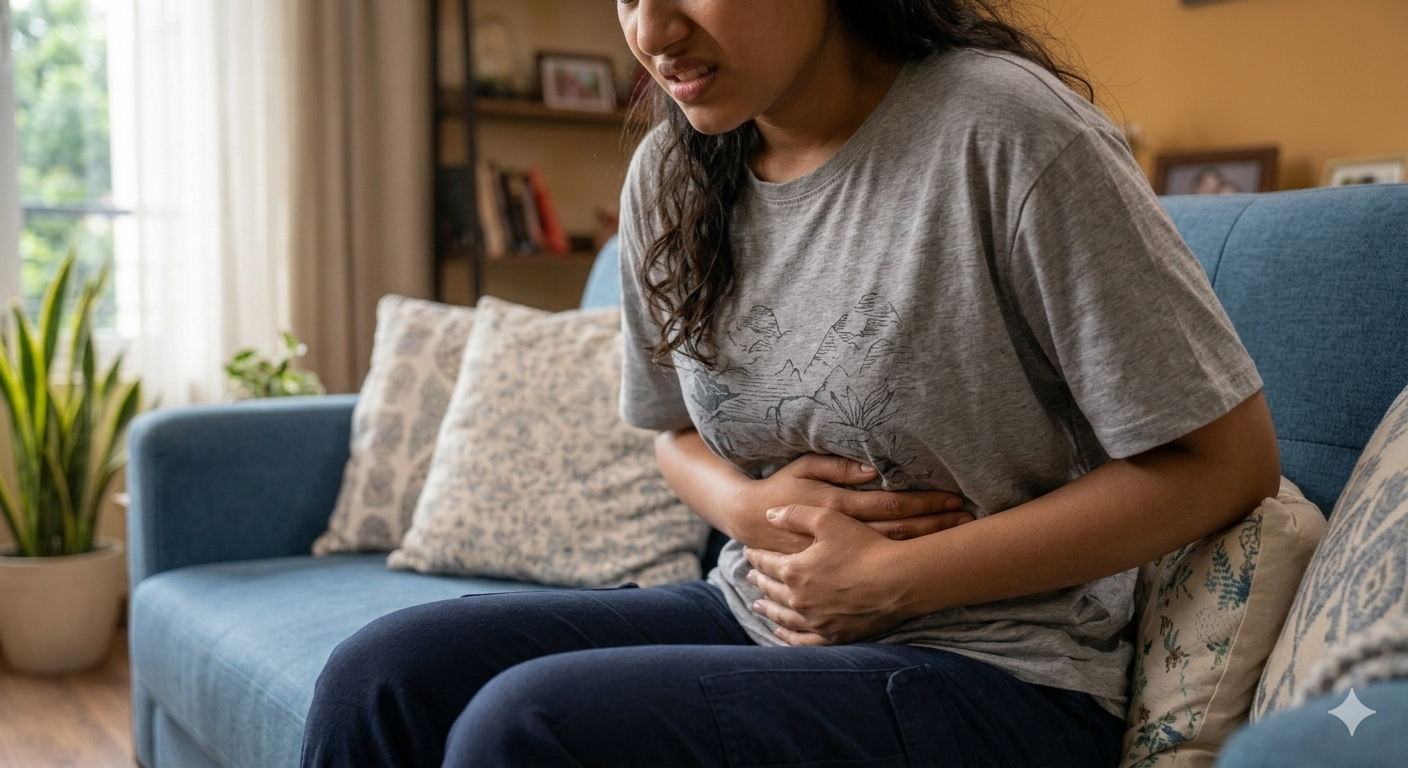
Periods can cause more than cramps, mood changes and fatigue. For some women, the days before and during menstruation also come with unexpected changes in bowel habits. You may find yourself visiting the toilet more often, passing loose stools or experiencing diarrhoea. Others may struggle with constipation, bloating or a feeling that their bowels have not emptied completely. According to Dr Sudeshna Saha, Consultant, Gynaecology, RG Hospitals, Kolkata, these digestive symptoms are common around menstruation and are largely linked to hormonal fluctuations.
Dr Saha says that changes in prostaglandins and progesterone can affect the muscles of both the uterus and the digestive tract. While these symptoms are usually temporary, understanding why they happen can help you manage them better and recognise when bowel problems may need medical attention.
Why Do Periods Cause Diarrhoea?
One of the main reasons some women develop diarrhoea during their periods is an increase in prostaglandins. These are chemicals produced naturally by the body. Just before and during menstruation, their levels rise to help the uterus contract and shed its lining. These contractions are responsible for menstrual cramps.
However, prostaglandins do not act only on the uterus. They can also stimulate the muscles in the intestines. This can increase the movement of food and waste through the digestive tract. As a result, some women may experience:
- More frequent bowel movements
- Loose stools
- Diarrhoea
- An increased urge to use the toilet
- Abdominal cramps or discomfort
This is why the first few days of a period can sometimes mean more frequent trips to the bathroom.
Why Does Constipation Happen Before Periods?
Constipation can also be linked to hormonal changes, but it may happen at a different stage of the menstrual cycle. After ovulation, progesterone levels rise. This hormone helps prepare the body for a possible pregnancy, but it can also slow down movement through the digestive tract.
When food and waste move more slowly through the intestines, the colon has more time to absorb water from the stool. This can make stools harder and more difficult to pass. Some women may therefore experience constipation in the days before their period, along with:
- Bloating
- Hard stools
- Straining while passing stool
- A feeling of incomplete bowel evacuation
- Abdominal discomfort
So, while diarrhoea may be more noticeable during the beginning of menstruation, constipation can occur in the days leading up to it.
Bloating And Changes In Bowel Habits Are Also Common
Not every period-related digestive problem involves diarrhoea or constipation. Bloating and changes in bowel habits are also frequently reported. Hormonal fluctuations can affect how the digestive system moves its contents. At the same time, changes in appetite and eating habits around periods can influence digestion.
Some people may eat more processed, salty or sugary foods during this time. Others may drink less water or become less physically active because of cramps and fatigue. Stress can also affect bowel function. All of these factors can work together and make bloating, constipation or irregular bowel movements more noticeable.
What Can Help With Period-Related Bowel Problems?
For most people, bowel changes linked to menstruation are temporary and improve as hormone levels settle. A few simple habits may help support regular bowel movements.
- Stay hydrated: Drinking enough water is particularly important if you are constipated. During diarrhoea, replacing lost fluids and electrolytes becomes even more important.
- Eat enough fibre: Fruits, vegetables and whole grains can help maintain regular bowel movements. However, if you already have diarrhoea, suddenly increasing your fibre intake may not be helpful.
- Stay physically active: Gentle activity such as walking can support bowel movement and may also help with menstrual discomfort.
- Pay attention to your diet: Limiting excessive processed and salty foods around your period may help reduce bloating and support better digestion.
- Track your symptoms: Keeping note of when diarrhoea, constipation or bloating occurs during your cycle can help you identify a pattern.
When Should You See A Doctor?
It is important not to assume that every digestive problem occurring around a period is caused by menstruation. According to Dr Saha, severe or persistent diarrhoea or constipation should be medically evaluated, particularly when symptoms are not limited to the menstrual period.
"Severe or persistent diarrhoea or constipation should not automatically be attributed to menstruation. Symptoms that are very painful, occur throughout the cycle, involve blood in the stool, unexplained weight loss, fever, vomiting or significantly interfere with daily life warrant medical evaluation," said Dr Saha.
Conditions such as irritable bowel syndrome (IBS) can cause digestive symptoms that become worse around menstruation. Endometriosis can also sometimes cause gastrointestinal symptoms that noticeably increase around periods. A doctor can assess the timing, severity and nature of the symptoms and determine whether they are part of normal menstrual changes or require further investigation.
Disclaimer: This content including advice provides generic information only. It is in no way a substitute for a qualified medical opinion. Always consult a specialist or your own doctor for more information. NDTV does not claim responsibility for this information.