

)
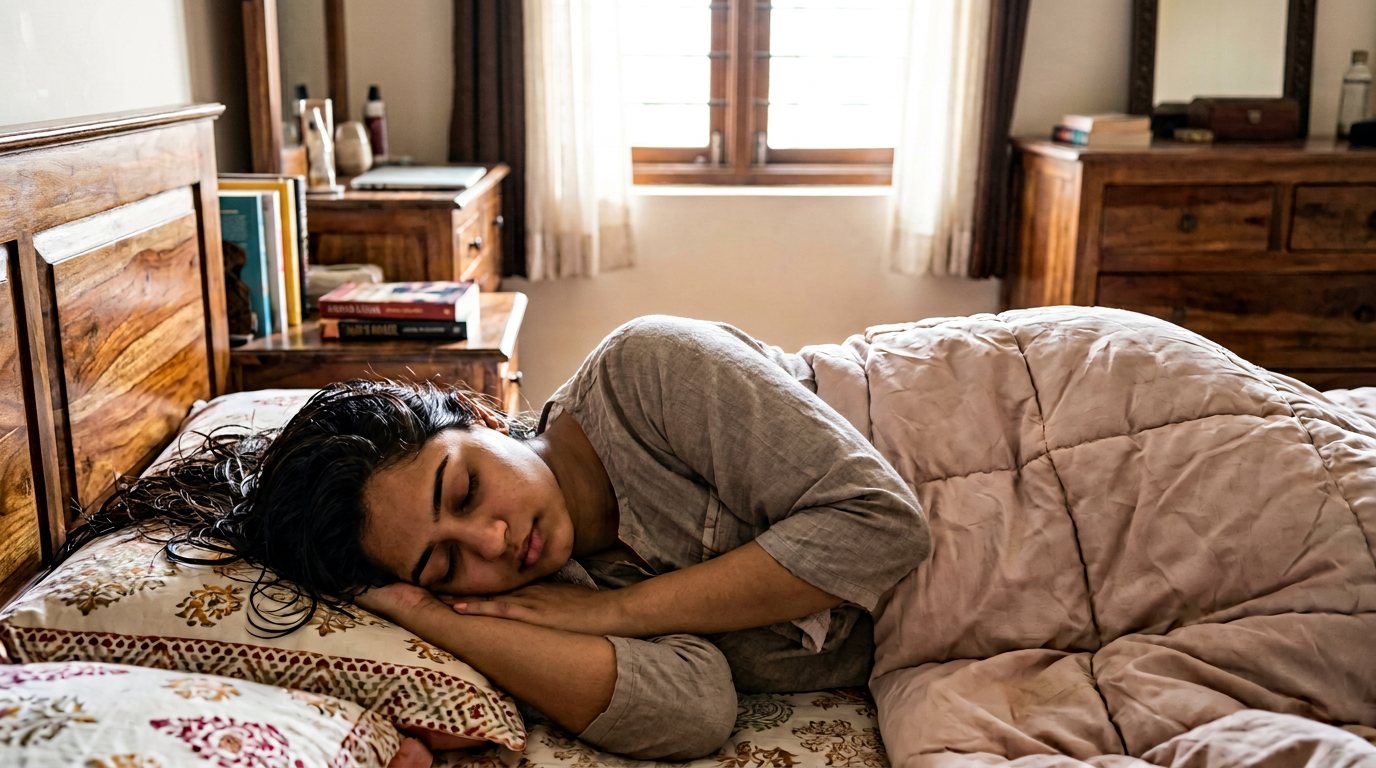
Many of us have been told since childhood that sleeping with wet hair can make us sick. Parents and grandparents often warned that going to bed with damp hair would lead to a cold, fever, or other illnesses. While this belief has been passed down through generations, modern science paints a different picture. Speaking to NDTV, Dr Niraj Kumar, Senior Consultant, Internal Medicine, ShardaCare-HealthCity, said that illnesses like the common cold and flu are caused by viruses, not by sleeping with wet hair. Simply having damp hair at bedtime is not enough to make you ill.
That said, sleeping with wet hair is not the healthiest habit. Although it won't directly cause infections such as a cold, it can affect your scalp, hair, and even your sleep comfort. Damp hair creates conditions that may encourage fungal growth, increase hair damage, and leave your pillow damp, which may trigger allergies in some people. Understanding the difference between myths and facts can help you make better choices for your hair and overall health.
Can Wet Hair Really Make You Sick?
The short answer is no. Sleeping with wet hair does not cause viral infections like the common cold or influenza. Viruses spread through respiratory droplets, close contact with infected people, or contaminated surfaces. While feeling cold may make you uncomfortable, it is not the reason people catch these illnesses. Your hair being wet has no direct role in making viruses infect your body. This means the long-standing belief that damp hair alone can make you sick is a myth.
Why Sleeping With Wet Hair Isn't Completely Harmless
Although it won't cause a cold, going to bed with wet hair can create other problems. When your scalp stays damp for several hours, it becomes a warm and moist environment. These conditions may encourage the growth of fungi and bacteria that naturally live on the skin.
For people who are already prone to dandruff, seborrheic dermatitis, or fungal scalp infections, sleeping with wet hair may worsen symptoms. You may notice increased itching, flaking, redness, or irritation on the scalp. People with healthy scalps are less likely to experience serious problems, but regularly sleeping with wet hair is still not a good idea.
Wet Hair Is More Prone To Damage
Your hair is at its weakest when it is wet. Water causes the hair strands to swell, making them more fragile and easier to break. While sleeping, your head constantly rubs against the pillow as you move. This repeated friction can lead to:
- Hair breakage
- Split ends
- Tangles
- Frizz
- Dull-looking hair
"Over time, repeated sleeping with wet hair may contribute to hair damage and make it appear dull or unhealthy," said Dr Kumar.
Your Pillow Can Also Be Affected
Wet hair doesn't just impact your scalp, it can also affect your bedding. Moisture from damp hair can soak into your pillowcase and pillow. If pillowcases are not washed regularly or pillows are not dried properly, they may become a suitable environment for microorganisms and dust mites.
While this does not automatically make you sick, it may worsen allergies, trigger sensitive skin, or increase irritation in people who are already prone to these conditions. Keeping your bedding clean and changing pillowcases regularly can help reduce these risks.
Can It Cause Headaches Or Neck Pain?
Some people report waking up with headaches or neck stiffness after sleeping with wet hair. There is currently limited evidence which proves that wet hair directly causes headaches. However, Dr Kumar explains that prolonged exposure to a cool, damp scalp may cause discomfort in people who are sensitive to temperature changes.
Similarly, sleeping with wet hair may leave your pillow feeling cold and damp, making sleep less comfortable and possibly contributing to neck stiffness in some individuals. These effects are usually related to comfort rather than illness.
Tips To Protect Your Hair And Scalp
If possible, allow your hair to dry before going to sleep. This is one of the easiest ways to protect both your scalp and your hair. If you're short on time, you can:
- Use a hair dryer on a low or medium heat setting instead of very high heat
- Gently towel-dry your hair to remove excess moisture
- Leave your hair loose instead of tying it tightly while it is damp
- Sleep on a clean silk or satin pillowcase, which creates less friction than cotton and may reduce hair breakage.
- Wash and dry your pillowcases regularly to maintain good hygiene
"Sleeping with wet hair won't give you a cold, but it can affect your scalp health, hair quality, and sleep comfort. A simple habit of drying your hair before bed can help maintain healthier hair while reducing the risk of unnecessary scalp problems," said Dr Kumar.
Disclaimer: This content including advice provides generic information only. It is in no way a substitute for a qualified medical opinion. Always consult a specialist or your own doctor for more information. NDTV does not claim responsibility for this information.