





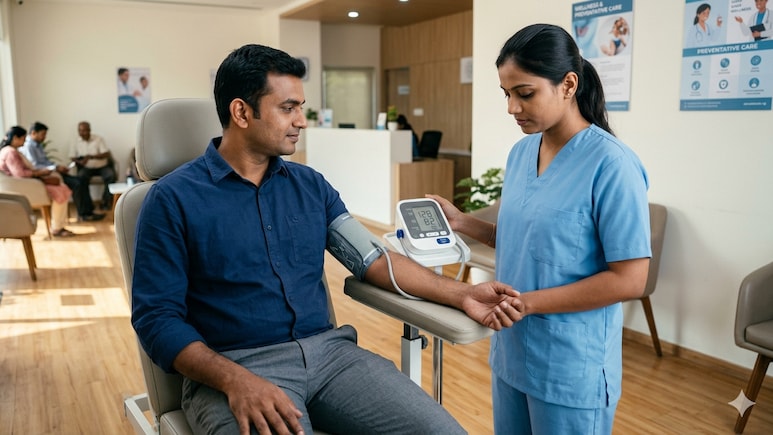
- Lowering systolic blood pressure below 120 mm Hg reduces heart attack and stroke risk more than higher targets
- The study found benefits of intensive blood pressure control outweigh risks like fainting and kidney issues
- High-risk patients should aim for 120 mm Hg with doctor guidance despite minor medication side effects
High blood pressure or hypertension can significantly increase the risk of serious health issues, including heart disease, stroke, and kidney damage. Therefore, maintaining healthy blood pressure is essential to reduce overall disease risk. While high blood pressure is harmful, too low blood pressure can also be problematic. However, a recent study suggests that aiming for a lower blood pressure target may deliver bigger heart health benefits than previously thought. The study published in the Annals of Internal Medicine found that keeping systolic blood pressure below 120 mm Hg could reduce the risk of heart attack, stroke, and heart failure more than higher targets.
The study highlights that for years, doctors have debated exactly how low a person's blood pressure should go. While 140/90 was the old standard, newer guidelines have pushed for 130/80 or even 120/80.
This study used advanced computer simulations and massive amounts of data to compare three targets for the top numbers for systolic blood pressure: 140, 130, and 120.
Major Findings
Lowering the target can help save lives
The study found that aiming for a blood pressure below 120 mm Hg was the most effective way to prevent major health disasters like heart attacks, strokes, and heart failure.
Benefits outweigh side effects
The intensive target did increase the risk of side effects such as fainting, falls, and kidney issues. However, the study found that for most high-risk patients, the benefit of preventing a major heart attack or stroke outweighed these risks.
Accuracy matters
The researchers found that the intensive target only stops being a good idea if the measurement error is very high (more than 14.6 mmHg). If a doctor's office is consistently getting readings that are that far off, trying to hit a 120 target might cause more harm than good by over-treating patients.
If you are at high risk for heart problems, this research suggests that working with your doctor to get your blood pressure down to 120 rather than stopping at 130 or 140 could significantly extend your life and health, despite the increased risk of minor medication side effects.
Keeping blood pressure within a healthy range helps ensure the proper functioning of the cardiovascular system and can prevent these potentially life-threatening complications. Here are some general tips to maintain healthy blood pressure:
To maintain healthy blood pressure numbers, consider these tips:
1. Maintain a healthy diet: Loading your diet with fruits, vegetables, whole grains, and lean proteins while reducing sodium intake can help manage blood pressure.
2. Stay active: Engage in regular physical activity, such as walking, cycling, or swimming, for at least 150 minutes a week.
3. Manage stress: Incorporate stress-reducing practices like meditation, yoga, or deep-breathing exercises into your daily routine.
4. Limit alcohol and tobacco: Reducing alcohol consumption and avoiding tobacco products can significantly improve blood pressure levels.
5. Maintain a healthy weight: If you are overweight, even a small amount of weight loss can significantly impact your numbers.
6. Sleep well: Aim for 7 to 9 hours per night. Poor sleep or untreated sleep apnoea are closely linked to hypertension.
Monitor your numbers at home
Tracking your blood pressure numbers helps avoid severe fluctuations. Before measuring, avoid caffeine, smoking, or exercise for 30 minutes. Sit still for 5 minutes with your feet flat on the floor.
Also read: How Often Should You Check Your Blood Pressure For Your Heart's Safety? Doctor Answers
By being proactive about blood pressure checks and adopting a healthy lifestyle, individuals can significantly reduce their risk of blood pressure-related health complications.
Disclaimer: This content including advice provides generic information only. It is in no way a substitute for a qualified medical opinion. Always consult a specialist or your own doctor for more information. NDTV does not claim responsibility for this information.
Track Latest News Live on NDTV.com and get news updates from India and around the world

