

)
When ultra-processed foods (UPFs) are discussed, the focus typically remains on weight gain, blood sugar spikes, or digestive discomfort. The usual suspects are chips, fizzy sodas, and instant noodles that dominate the ultra-processed food aisle. However, a silent impact that can occur in your body is on your bones as highlighted in the Journal of Bone and Mineral Research. While people usually focus their attention on gut health, bones pay a high price for convenience-driven lifestyles. Recent findings, including those highlighted in Frontiers in Nutrition, suggest a direct link between high UPF consumption and decreased bone mineral density. Bone health is no longer just a matter of drinking milk; it is the next frontier in the fight against the industrialisation of the modern diet.
What Makes Food "Ultra-Processed"?
To understand the threat, the term "ultra-processed" should be define. These industrial formulations are products that contain substances not found in a standard home kitchen, such as emulsifiers, thickeners, and artificial sweeteners.
In India, many UPFs masquerade as "healthy" options. Examples include protein bars loaded with soy protein isolate and maltitol, strawberry-flavoured yoghurts containing more sugar than fruit, and "whole grain" breakfast cereals that essentially contain flour sprayed with synthetic vitamins. If an ingredient list resembles a chemistry lab inventory, the product is ultra-processed.
The Biological Link: How UPFs Damage Bones
Bones are living tissues, constantly breaking down and rebuilding. UPFs disrupt this delicate balance through three primary mechanisms:
Nutrient displacement happens when a diet is filled with biscuits or frozen samosas; it lacks the leafy greens, ragi, or dairy that provide calcium, vitamin D, and magnesium. The body becomes starved of building blocks while being flooded with excess energy.
Chronic inflammation that is caused by the additives and preservatives triggers a low-grade, systemic inflammatory response. This inflammation interferes with osteoblasts (the cells that build bone) and may overactivate osteoclasts (the cells that break it down).
The acid-sodium load increases as Indian UPFs are notoriously high in salt. High sodium intake forces the kidneys to excrete more calcium. Furthermore, high-sugar diets can create metabolic acidosis; to maintain blood pH, the body may "leach" alkaline calcium salts from the bones.
Also Read: High Intake Of Ultra-Processed Foods May Harm Male Fertility: Study
The "Gut-Bone Axis"
Scientific discovery now points to the gut-bone axis. The gut microbiome is responsible for the absorption of bone-essential minerals. UPFs, rich in emulsifiers like carboxymethylcellulose, can thin the protective mucus layer of the gut.
This leads to a "leaky gut", allowing pro-inflammatory toxins to enter the bloodstream. These toxins migrate to the bone marrow, disrupting the environment where new bone cells are born. If the gut is in turmoil due to a UPF-heavy diet, the skeleton effectively starves, regardless of calcium supplement intake.
Vulnerable Demographics In India
In India, the shift toward "tiffin-friendly" processed snacks is a major concern. Adolescence is the critical window for building peak bone mass. Consuming UPFs during these years is like building a skyscraper with weak cement; structural integrity is compromised for life.
Indian women already face a high risk of osteoporosis. A diet high in UPFs accelerates age-related bone loss, significantly increasing the risk of fragility fractures.
Also Read: Ultra-Processed Foods Tied To Slight Behaviour Shifts In Toddlers, Finds New Study
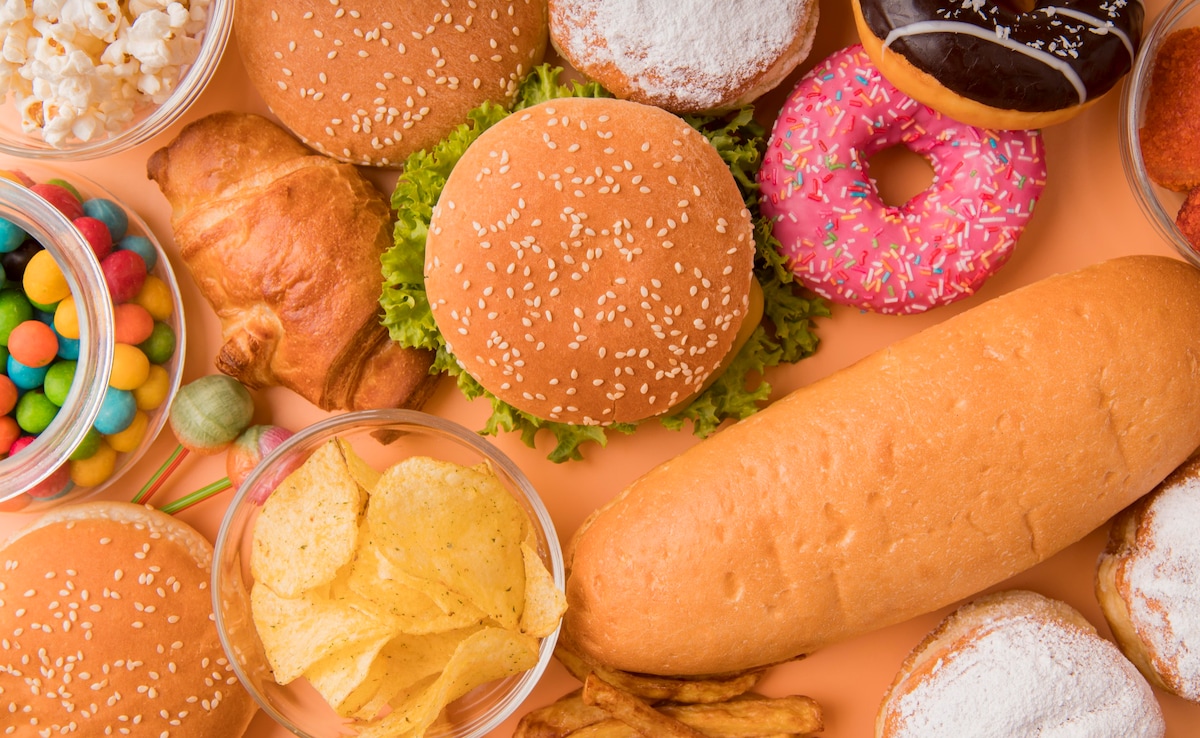
Ultra-processed foods
Photo Credit: Freepik
Transitioning To A Bone-Friendly Diet
A total lifestyle overhaul is not required overnight. Following the 80/20 rule, prioritising 80% whole, traditional Indian foods and keeping UPFs to an occasional 20% can make a significant difference.
Prioritise bone superfoods where you swap morning cereal for Ragi (finger millet) porridge or Amaranth (Rajgira). Incorporate fatty fish like Bangda (Mackerel) for vitamin D, along with curd and leafy greens (Palak, Methi).
Read the labels and look for the "Big Three" red flags, such as high sodium, added sugars, and long chemical names. If a "health drink" powder lists sugar as a primary ingredient, it should stay on the shelf.
Bones represent a biological retirement fund. Every whole-food meal is a deposit, and every ultra-processed snack is a withdrawal. By shifting away from industrial "edible substances" and returning to a diet rooted in whole grains, fresh produce, and traditional fats, a person protects more than just the gut; they ensure the ability to stand tall for decades to come.
Disclaimer: This content, including advice, provides generic information only. It is in no way a substitute for a qualified medical opinion. Always consult a specialist or your own doctor for more information. NDTV does not claim responsibility for this information.