

)
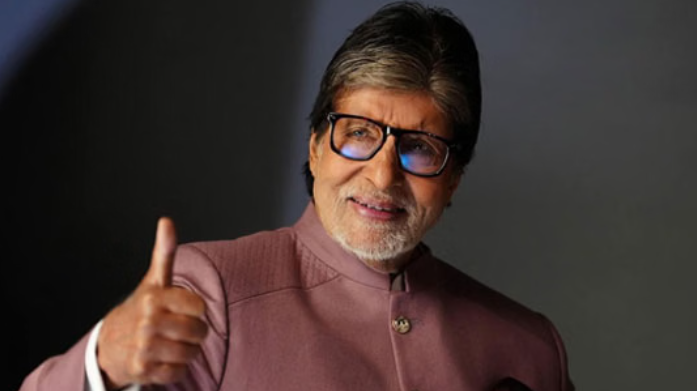
Amitabh Bachchan has often spoken about his changing food habits and lifestyle choices. On Kaun Banega Crorepati, the 83-year-old actor revealed that he has stopped eating rice and even gave up kheer. He also spoke fondly about how his wife, Jaya Bachchan, recently prepared a special mango kheer for him. Sharing the story, Bachchan said that they had stopped eating both kheer and rice, prompting Jaya Bachchan to prepare mango kheer instead. While the actor's decision may be a personal dietary choice, it raises a broader question: Is giving up rice actually healthier as you grow older?
Should Older Adults Stop Eating Rice?
According to Dr Nishant Raizada, Head of Endocrinology, Amrita Hospital, Faridabad, removing rice from the diet is not automatically necessary with age. "When people try to 'eat healthier', rice is often the first thing to go. But the more logical question later in life is not whether rice should disappear, but what should replace it," says Dr Raizada. Bachchan has reportedly stopped eating rice as a personal choice and not because of any publicly known medical condition. Therefore, his dietary decision should not be treated as a general recommendation for older adults.
How Does Rice Affect Blood Sugar?
White rice is a refined carbohydrate and is digested relatively quickly. Large portions, particularly when rice is eaten alone without adequate protein, fibre or vegetables, can lead to a significant rise in blood glucose levels. Dr Raizada points out that research has found an association between higher white-rice consumption and type 2 diabetes risk. However, this does not mean that eating rice directly causes diabetes. The overall diet, portion size, physical activity, body weight and metabolic health all play a role.
Why Nutrition Becomes More Important With Age
Ageing changes the body's nutritional requirements. Insulin sensitivity may decline, appetite can change and muscle mass naturally decreases over time. This makes the question of what replaces rice particularly important. "If the calories from rice are not replaced adequately, this can contribute to undernutrition and accelerate sarcopenia, the progressive loss of muscle mass and strength," says Dr Raizada.
For older adults, excessive dietary restriction can therefore have unintended consequences. Losing muscle can affect balance, mobility, physical strength and independence. The goal after 70, he says, should be metabolic precision rather than blanket restriction of carbohydrates.
Can You Eat Rice If You Have Diabetes?
People with diabetes, abdominal obesity or high post-meal blood sugar may benefit from reducing portions of polished white rice. But completely eliminating carbohydrates is not necessarily required.
Instead, rice can be replaced or alternated with options such as brown rice, millets, oats, lentils and other minimally processed grains, depending on individual nutritional needs. How rice is eaten also matters. A large bowl of white rice eaten on its own is nutritionally very different from a moderate portion eaten with dal, vegetables, curd and another source of protein. Combining carbohydrates with protein and fibre can make a meal more balanced and may also help with better blood-sugar control.
What Should Older Adults Eat Instead Of Rice?
There is no single replacement that works for everyone. Older adults should focus on getting adequate protein, vegetables, fruits, healthy fats and fibre while choosing carbohydrate sources according to their health needs. For some people, reducing the quantity of rice may be useful. For others, particularly those at risk of undernutrition or muscle loss, completely removing a staple food may not be advisable. The ICMR-NIN Dietary Guidelines for Indians emphasise dietary diversity rather than the complete elimination of staple foods.
Is Giving Up Rice Healthy At 83?
Rice itself is neither inherently healthy nor unhealthy. Its impact depends on the type, quantity, preparation method and the rest of the meal. For an older person, the priority should be maintaining healthy blood sugar and body weight without compromising muscle mass, strength and nutritional adequacy. A personal food choice that works for Amitabh Bachchan does not automatically need to become a prescription for every person in their 70s or 80s. As Dr Raizada puts it, "Rice is, by its nature, neither essential nor dangerous. The healthiest diet is not the one with the most restrictions. It is the one that helps preserve muscle and strength while keeping glucose and overall metabolic health under control."
Giving up rice with age is not automatically healthier. Older adults need to consider their blood sugar, weight, muscle mass, appetite, activity levels and overall nutritional requirements before eliminating a staple food. If rice is enjoyed and tolerated, a moderate portion can fit into a balanced diet. For people with diabetes or other metabolic concerns, portion control and choosing less-refined alternatives may be more useful than completely eliminating carbohydrates. At 83, the goal should not simply be to eat less. It should be to eat well enough to preserve strength, muscle, independence and metabolic health.
Disclaimer: This content including advice provides generic information only. It is in no way a substitute for a qualified medical opinion. Always consult a specialist or your own doctor for more information. NDTV does not claim responsibility for this information.