

)
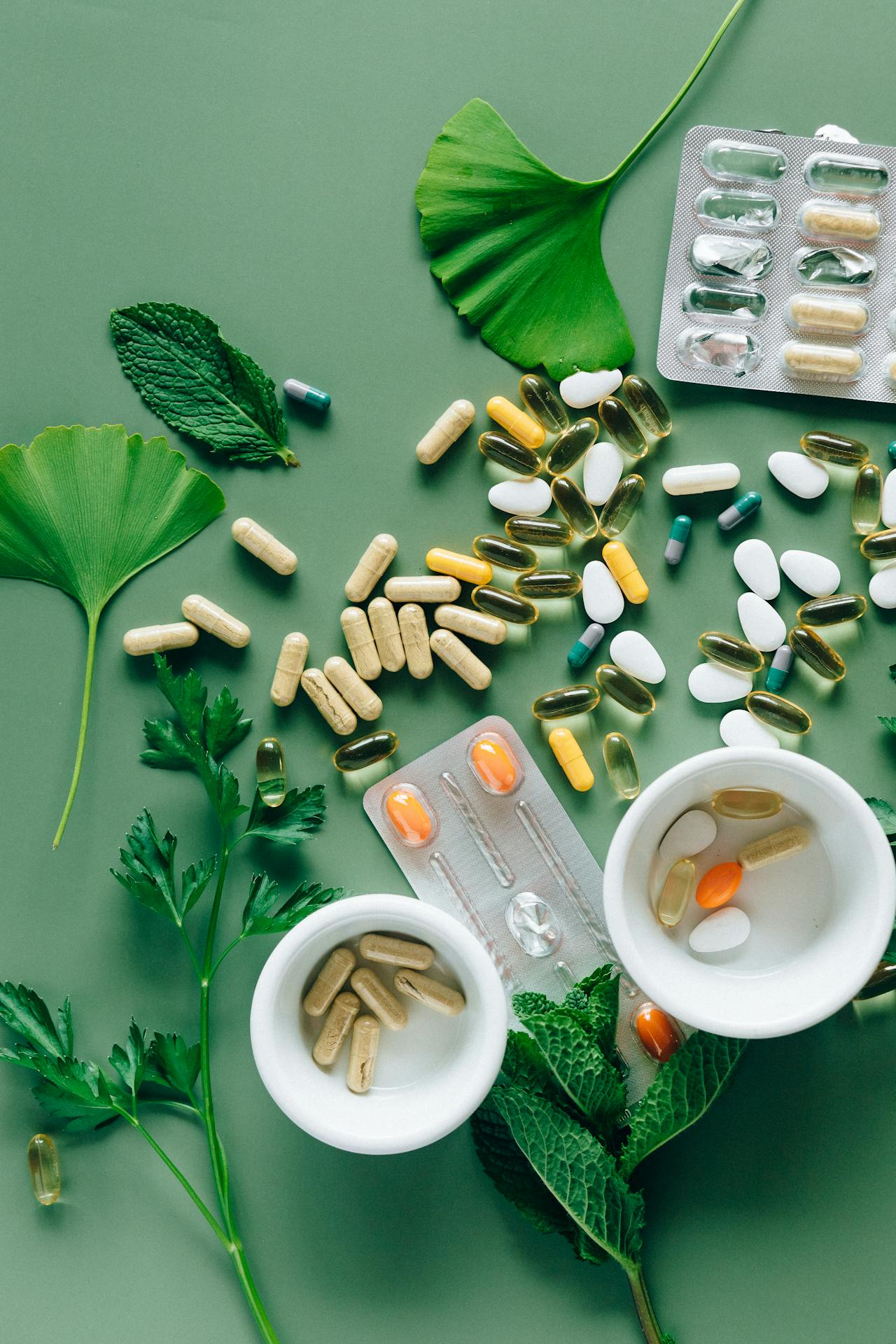
Many people think supplements are completely safe because they are considered natural. According to a recent study, herbal and dietary supplements are classified as foods and are defined as orally consumed products that contain dietary ingredients intended to complement the diet. But it is important to note that some supplements can place extra strain on your kidneys or liver, especially if those organs are already struggling. Damaged kidneys cannot be able to filter waste products effectively, and a weak liver may not break certain compounds properly. In such cases, you need to pay extra attention to supplements and herbs that may be harmless for others can become risky for individuals with kidney and liver issues.
Supplements you should avoid if you have kidney and liver issues
Below are some of the most important ones to be cautious about.
1. Green tea extract
According to journal CLD Clinical Liver Disease, green tea in a cup is fine for most people, but concentrated green tea extract pills contain very high levels of catechins, especially epigallocatechin gallate. These compounds can cause liver inflammation and, in some cases, serious liver injury when taken in large doses. This is especially true for people with liver conditions.
Read more: Fatty Liver Crisis: Nearly 4 In 10 Indians Affected, Lancet Study Sounds Alarm
2. High-dose protein powders
Bodybuilding and weight gain protein powders can add extra workload on your kidneys. In case of high intake of protein compared to what your body requires, the kidney has to bear more stress to excrete nitrogenous waste products. This may accelerate deterioration in patients with chronic kidney disease.
3. Fat-soluble vitamins (A, D, E, K) in excess
Unlike water-soluble vitamins, excess fat-soluble vitamins are stored in your body and can build up to toxic levels. Too much vitamin A, for example, stresses the liver and can lead to serious liver damage. Vitamins D and E can also cause problems if taken without medical supervision, especially in people with impaired kidney or liver function.
4. Iron supplements without testing
Iron is essential, but taking iron supplements without knowing your levels can lead to accumulation in the liver. This can cause a condition called haemochromatosis, which leads to inflammation and damage to the liver and other organs.
As per Journal Statpearls, hemochromatosis is a condition marked by excessive iron buildup in body tissues, which disrupts the function of multiple organs. Under normal circumstances, iron absorption is carefully regulated; however, in hemochromatosis, the body absorbs far more iron than it needs and lacks an effective way to eliminate excess.
5. Herbal remedies linked to liver toxicity
Some herbs have been explicitly linked to liver damage, as reflected by case reports and safety warnings:
- Comfrey - It may contain substances that can cause serious damage to the liver.
- Black Cohosh: It is used in menopause but has also been related with liver toxicity issues.
- Garcinia Cambogia - commonly included in weight loss aids but also known to induce liver injury.
Many traditional herbs have active ingredients not under effective regulation, varying greatly in potency and purity.
6. Licorice root
Licorice root supplements are used for indigestion or adrenal support, but they contain glycyrrhizin, which can raise blood pressure and lower potassium levels. These effects are particularly dangerous for people with kidney or heart problems and can indirectly stress the kidneys. It is always advised to consult a credible dietician and a physician before incorporating licorice root in your diet.
Read more: Even Normal Kidney Tests Might Hide Disease Risks, New Study Reveals
7. Supplements high in potassium or phosphorus
Your kidneys help balance minerals. With kidney disease, potassium and phosphorus can build up to dangerous levels. Supplements that contain these minerals for example, some plant-based multivitamins or electrolyte products may need to be avoided or strictly controlled.
8. Unregulated "Detox" or fat-burning pills
Products marketed as detox aids or fat-burners often contain a cocktail of stimulants, diuretics, or unknown additives. These can affect hydration, electrolyte balance, liver metabolism, and kidney filtration. The liver in particular has to break down these compounds, which can cause oxidative stress and inflammation.
Both kidneys and liver play vital roles in filtering, metabolising, and eliminating substances from the body. When these organs are already compromised whether from chronic conditions, alcohol use, medications, diabetes, or ageing if you put an extra chemical burden without medical supervision raises the risk of worsening organ function.
Many supplements are not regulated to the same standards as medicines. The actual contents can vary, and contamination with heavy metals or undeclared ingredients is not uncommon. This adds an extra layer of uncertainty for organs that are already vulnerable.
Disclaimer: This content including advice provides generic information only. It is in no way a substitute for a qualified medical opinion. Always consult a specialist or your own doctor for more information. NDTV does not claim responsibility for this information.