

)
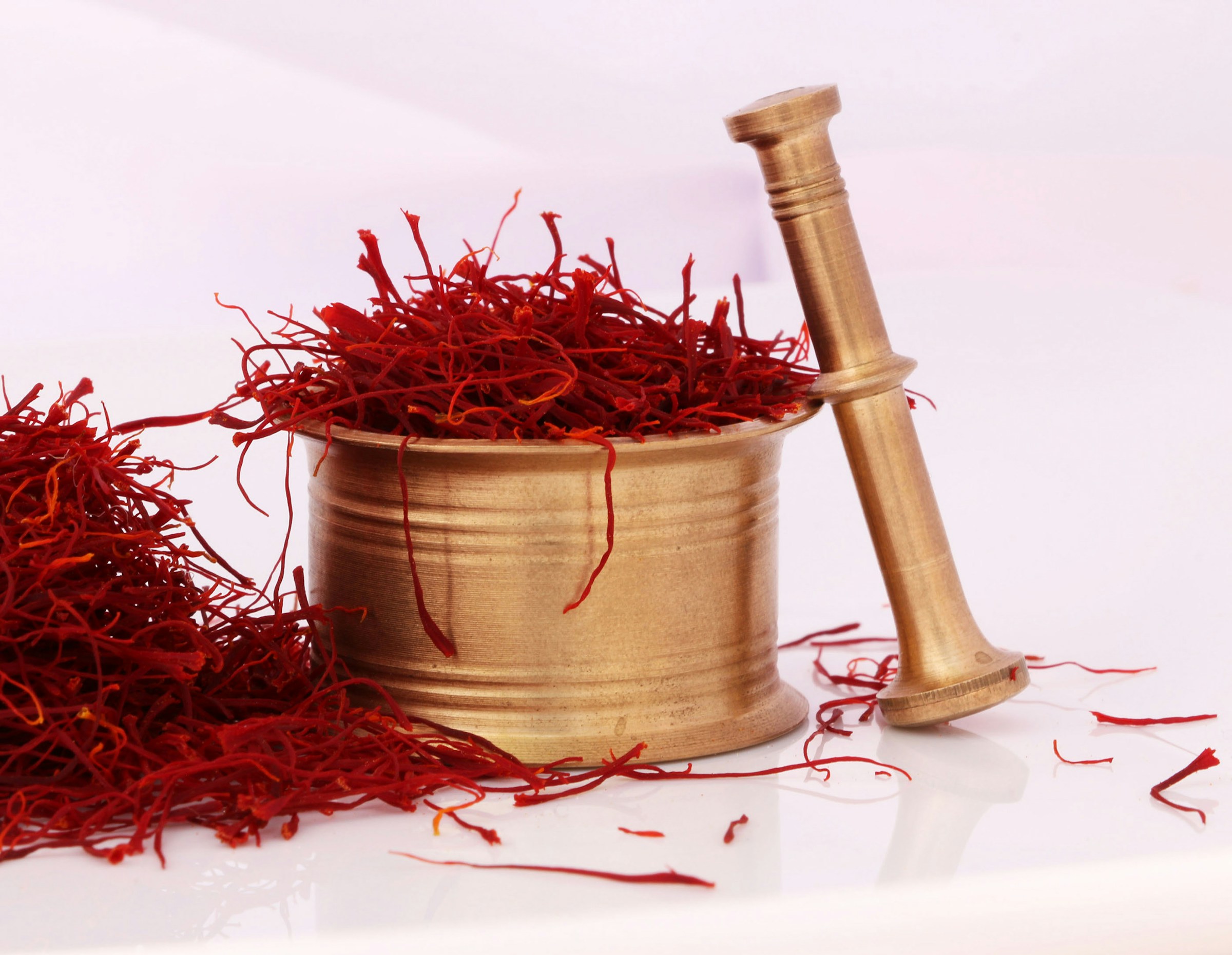
Saffron is a popular spice derived from the purple flower Crocus sativus. It is harvested carefully, with only three strands collected at a time. This labour-intensive process makes saffron expensive, but it remains highly sought after due to its distinct scent, aroma, and flavour. The vivid crimson stigma of the flower produces these precious strands, which are revered in Indian culture as "kesar" for their seasoning and colouring properties.
Saffron is used in a variety of delicious dishes, including kesar ki kheer, kesar ka pedha, kesar wali kheer, and kesar badam phirni. It is rich in unique compounds that contribute to its vibrant colour, aroma, and flavour. Numerous studies have highlighted saffron's health benefits. In Ayurveda, it is known as "Kumkuma" or "Kesar" and is celebrated as a powerful herb for boosting overall health.
Beyond India, saffron is globally recognised as the "golden spice," prized not only for its vivid colour and high monetary value but also for its numerous health-promoting properties.
6 Health Benefits Of Saffron Or Kesar
1. Boosts Immunity
As per a review published in Environmental Science, saffron is one of the traditional spices that has plenty of antioxidants and plant compounds that provide the body with its nourishing properties. There is strong science backing that documents the long-standing role of natural ingredients in enhancing the body's natural resistance to infections. Here is how saffron can help you boost your immunity:
- Active Plant Compounds: Crocins, crocetin, and safranal are the compounds that are present in the crimson strands, which contribute to antioxidant, anti-inflammatory, and immunity-boosting effects.
- Combination Uses: When saffron is used in combination with various traditional spices like turmeric, cloves, cinnamon, carom seeds, ginger, etc., their immunity-boosting capabilities expand.
- Intake: But moderation is key, as overconsumption can have side effects. And consulting a medical professional is of utmost importance, as people need individualised and tailored approaches based on their lifestyle and environmental factors.
- Anti-inflammatory Effect: Inflammation is one of the major causes of chronic diseases and gives rise to health issues. Saffron can lower this inflammation when it is consumed for a prolonged duration.
- Filters Toxins: The rising amount of toxins in the air and water across the ecosystem is increasing the toxin load on people's bodies. Through consuming a small dose of monitored and quality saffron, as recommended by a medical professional, can be beneficial for lowering overall inflammation in the body.
Read More: Saffron In Water Or Milk? Nutritionist Reveals Which One Is Better For Stress Relief
2. Improves Mood
According to a study in the Phytotherapy Research, saffron has been recorded to have health-boosting capabilities, specifically for positive effects on depression, anxiety, and sleep disorders, among other neurological conditions. But it is important to note that saffron does have side effects when consumed in excess and if it remains unmonitored for a longer duration. Here are practical ways that saffron can help you improve your mood:
- Saffron acts as a natural antidepressant, but people dealing with serious mental health problems need to seek help.
- Seeking medical help from psychiatrists and psychologists is essential, who can assess and recommend natural therapies as needed based on their expertise.
Read More: Saffron Can Be Used As An Antidepressant: Nutritionist Pooja Makhija Explains Why
3. Supports Heart Health
The thin strands of saffron contain active plant compounds such as crocin, crocetin, and safranal, which have plenty of antioxidants that benefit overall heart health. There are various mechanisms through which saffron can boost heart health. Here are some of the key ones:
- Lowers Oxidative Stress: This is one of the main factors responsible for heart issues and can lead to internal heart injury.
- Antiioxidant Dose: Saffron can provide antioxidant effects and help maintain the status of cells, protecting against damage. Studies have shown that saffron supplementation can increase total antioxidant capacity.
- Anti-inflammatory: As chronic inflammation is one of the main factors that increases the incidence of developing heart disease, saffron can offer some relief.
Studies suggest that a controlled and monitored dose of saffron can help lower chronic inflammation in the body. Thus, it reduces the incidence of developing heart issues.
4. Enhances Skin Glow
Multiple studies and Ayurvedic texts have documented the wide-ranging skin health benefits of saffron. There are multiple uses of saffron, as the herb is also used in face packs and creams for its skin health-boosting capabilities. Here is how saffron can enhance the skin's glow:
- Kumkumadi Oil Formulation: This is an ancient Ayurvedic formula containing saffron, specifically used for its anti-ageing and skin health-boosting properties. But the purity and quality matter, along with the duration and consistency, and how it is applied on the skin also matters.
- Cosmetic Ingredient: Saffron is used as an active ingredient in most cosmetics designed for the skin.
Studies detail that saffron has compounds like crocin and safranal that provide antioxidant, anti-dark spot, anti-UV, anti-inflammatory, and anti-ageing effects.
Read More: Turmeric Milk Benefits For Skin: 5 Reasons To Drink Haldi Doodh Daily
5. Aids Digestion
India's traditional medicine system and modern scientific research have pointed out that saffron can be used as a digestive aid. It can also be helpful in reducing bloating and other uncomfortable symptoms of digestive malfunction. Here is how saffron functions as a digestive aid:
- Antioxidant Effects: Plant compounds such as crocin, crocetin, and safranal possess strong antioxidants and attach themselves to oxidative stress molecules. These effects can protect the digestive tract from oxidative damage.
- Anti-inflammatory Properties: The powerful anti-inflammatory properties in saffron can be beneficial in addressing various inflammatory conditions within the digestive system.
For instance, it has shown potential in treating inflammatory bowel diseases (IBD) by attaching itself to oxidative stress molecules and reducing their load on the system.
- Chemopreventive Effects: Saffron has chemopreventive properties, which involve stopping healthy cells from dying. There is a specific process where cells are made to die in a controlled way, which is important for keeping the body healthy. This is hard to do in a body dealing with cancer cells; saffron can help offer some protective properties, thus playing a role against certain digestive system cancers.
Read More: Saffron For Mental Health: Nutritionist Shares Anti-Depressant Properties Of Kesar
Note: Always consult a medical professional who can advise the best course of action for pregnancy, as modern-age factors can impact outcomes.
How To Use Saffron Daily
Saffron can be added to milk, biryani, sweets, and herbal teas.
Note: Only a moderately tailored approach is advisable, which can be given to people after a thorough doctor consultation.
Risks and Precautions of Consuming Saffron
There are certain overconsumption risks; please consult a medical professional for the right dosage.
- Allergic Reactions: Some people can develop allergic reactions, specifically when saffron is made a part of their daily routine.
- Pregnancy Safety: Consult a medical professional to seek individualised care.
Saffron Storage Guidelines
According to the Agricultural and Food Sciences Chemistry Journal, the following tips can help you store saffron safely for a longer duration:
- Exact Storage Tempearture: Store saffron in a refrigerator at 8 degree C or below for dried stigma to maintain its quality.
- Saffron Flower Storage: For saffron flowers, storing them at 0 degree C is recommended.
- Lower temperatures: This can generally extend the half-life of saffron's bioactive compounds.
- Minimise Light Exposure: Keep saffron in dark conditions, as exposure to light can degrade its colouring strength and other quality parameters.
- Manage Humidity And Moisture: Ensure saffron is stored with approximately 5 per cent moisture to reduce deterioration and prolong shelf life.
Saffron has a vital role in overall wellness, but a moderate intake is necessary, and consulting a medical professional is key to keeping the side effects at bay.
Disclaimer: The content, including advice, provides generic information only. It is in no way a substitute for a qualified medical opinion. Always consult a specialist or your doctor for more information. NDTV does not claim responsibility for this information.