





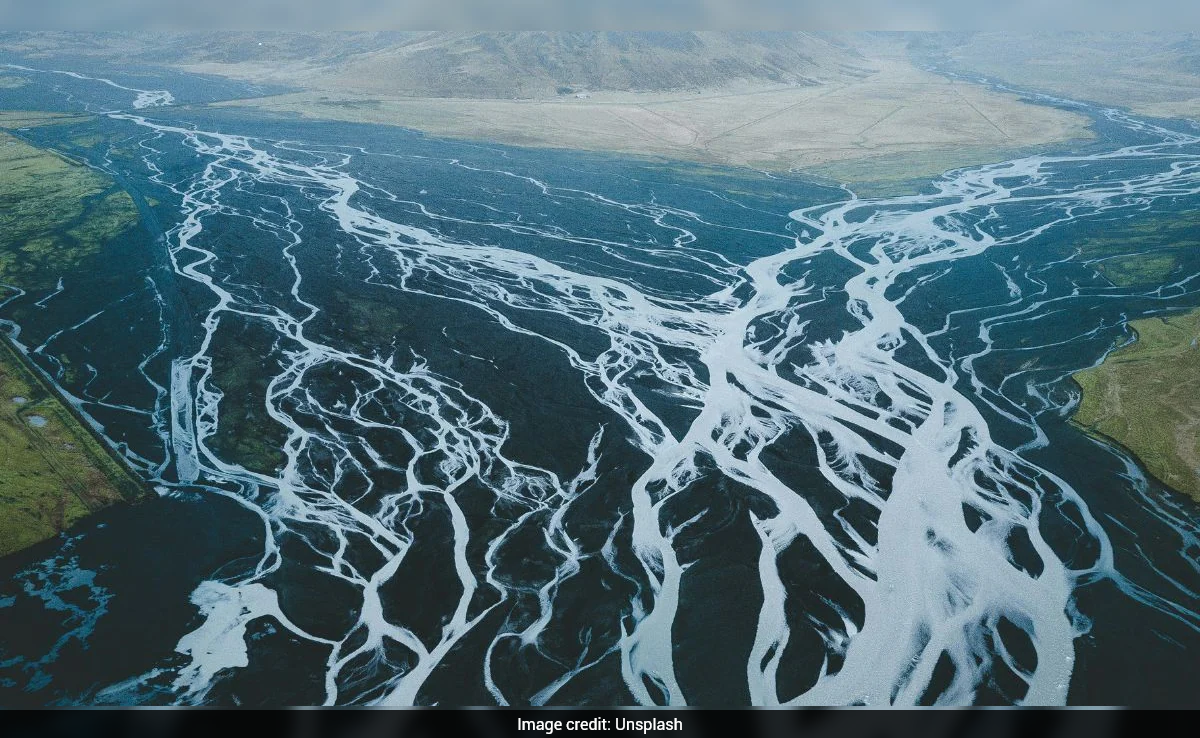
Rivers across the globe are quietly running low on oxygen, and the trend is accelerating. A new analysis of satellite and climate data shows that nearly 80% of the world's rivers have seen dissolved oxygen levels decline since 1985. This trend threatens fish, aquatic insects and the communities that depend on freshwater.
The research, led by environmental scientist Qi Guan at the Chinese Academy of Sciences and published in Science Advances, tracked oxygen in more than 16,000 rivers. The researchers used 3.4 million satellite images from 1985 to 2023, and found that on average, rivers lost 0.045 milligrams of oxygen per litre each decade.
-

-
 Chatbots Could Be Damaging Adult Learning Too: Andrew Ng
-
 Swami Sarvapriyananda Asks On AI Alignment; Andrew Ng Flags Risks Of Overhyping AI Fears
-
 "Keep Learning New Skills, Jobs Will be There": Andrew Ng On 'AI Jobapocalypse' Fear At NDTV World Summit
-
 "Keep Learning New Skills": Andrew Ng On 'AI Jobapocalypse' Fear
-
 Nikhil Kamath Recalls Satya Nadella's Remark: 'I Don't Touch An Indian Product' In The US
-
 NDTV World Summit 2026: What Nikhil Kamath Said On Inheritance Tax
-
 Mohini Dey Says She Carries Her Roots Wherever She Goes: 'I Am A Bengali Girl'
-
 Nikhil Kamath Shows 'Delay Gratification' Tattoo, Reveals Mantra Behind It
-
 NDTV World Summit 2026: What Nikhil Kamath Said On Inheritance Tax
-
 Not Another News Platform: What Nikhil Kamath Wants To Build Next
Researchers expected high-latitude rivers to suffer most from warming, but the data point to the tropics instead. If emissions continue at current rates, the team projects that by 2100, rivers across much of South America, India, the Arctic, and the eastern U.S. could lose around 10% of their dissolved oxygen.
Also read | Dramatic Video Shows Visitors Evacuating 245-Foot Roller Coaster In Texas After Power Outage
Why is oxygen falling
Warm water holds less oxygen, and rising temperatures are only part of the story. Nutrient pollution from agriculture and wastewater fuels algae growth; when algae die and decompose, microbes consume even more oxygen. Dams and reservoirs slow water flow, giving those processes more time to deplete oxygen.
Scientists also warn that low-oxygen rivers can release greenhouse gases and toxic metals from sediments, creating feedback loops that worsen water quality.
"Deoxygenation is a very slow process. If we have a long period, the negative impact will attack the river ecosystems," Guan told Seth Borenstein at Associated Press.
"The low level of oxygen can cause a series of ecological crises such as biodiversity decline [and] water quality degradation."
"Systematically understanding these changes is crucial for enhancing the resilience of fluvial ecosystems to sustained deoxygenation risks through targeted measures and strategies, and helps to achieve sustainable management in global rivers," Guan and team conclude.
Track Latest News Live on NDTV.com and get news updates from India and around the world

