





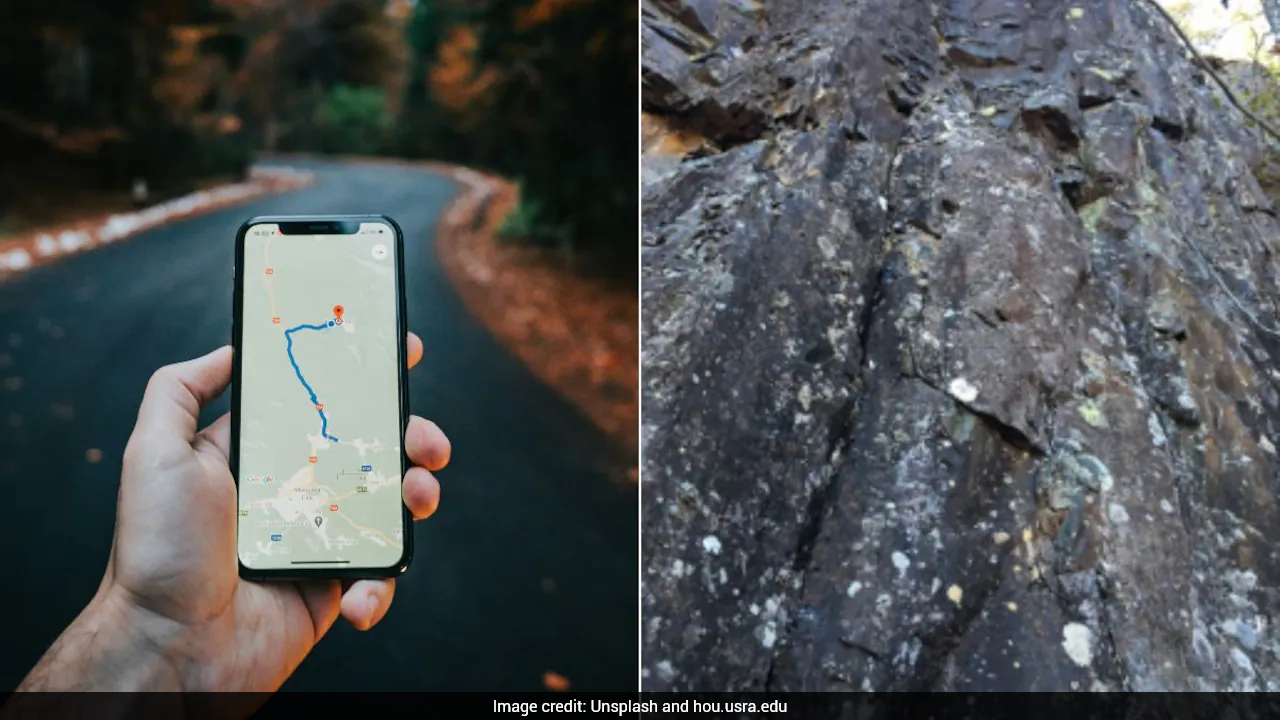
What started as vacation planning on a laptop turned into one of the most significant meteorite crater finds in recent years. As reported by Space.com, a Quebec man named Joel Lapointe was browsing Google Maps when he spotted a massive circular formation that researchers now say was created by a space rock impact roughly 390 million years ago.
In late 2024, the amateur astronomer was mapping out a road for vacation in the Cote-Nord region when something caught his eye on satellite view.
"I told myself, 'You haven't discovered anything, Joel, it's not possible, they must already know about this,'" Lapointe told the Canadian Press.
Also read | Delta Pilot Warned Of Possible 'Rocket Launcher Attack' Before Landing At LaGuardia Airport
He searched the existing crater databases, but found nothing.
He eventually reported it to Impact Earth, a crowdsourcing website for craters with Canada's Western University in London, Ontario, near Toronto.
Geologists then reviewed satellite imagery, geological maps, and field evidence before mounting a remote expedition in 2025 to confirm the structure.
"This was one of the most arduous expeditions I've ever done-and I've done 25 expeditions to the Arctic and six continents," Gordon Osinski, a planetary geologist at Canada's Western University, told Live Science. "The terrain was incredibly rough and rugged, plus [there were] lots of bugs."
Also read | Watch: This Drone Spins So Fast, It Appears Invisible To The Human Eye
The 'Uhackatik' crater
The site is now named Uhackatik following consultations with the Ekuanitshit Innu Council.
Analysis dates the impact to about 390 million years ago, during the Devonian period.
The crater is 25 kilometers wide, larger than most cities, and one of the major discoveries globally in recent years.
The team will present its abstract at the 88th Annual Meeting of the Meteoritical Society in Germany in August 2026.
Track Latest News Live on NDTV.com and get news updates from India and around the world

