There's an odd kind of deja vu lingering in the air this year, like the scent of an old '90s cassette tape that someone forgot to throw away.
Romance is back on the big screen, yes, but so is rage, obsession, ego, and entitlement - packaged attractively, marketed aggressively, and most surprisingly... working phenomenally at the box office.
Like the hero who refuses to take "no" for an answer, 2025 keeps circling back to toxic masculinity as if it were an unfinished love story.
If the audience once collectively rolled their eyes at chauvinism, this year, they seem to be handing out free passes and weekend collections.
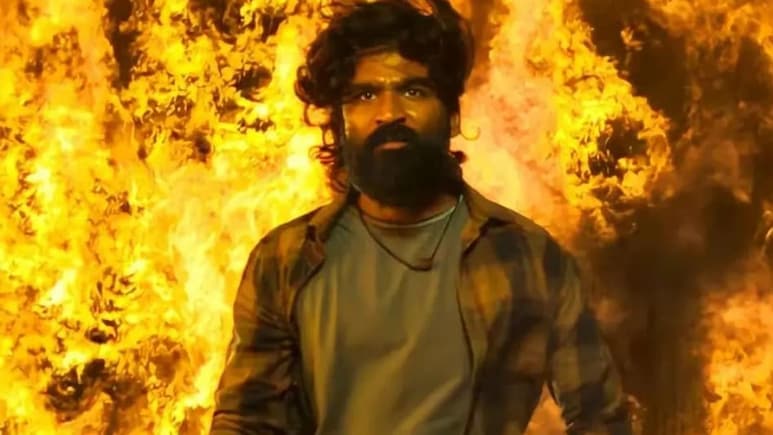
And the film leading this strange cultural resurgence? A fiery, chaotic, deeply problematic romance called Tere Ishk Mein.
Toxicity Triumphs At The Box Office
Aanand L Rai's Tere Ishk Mein, starring Dhanush as Shankar and Kriti Sanon as Mukti, is the latest reminder that problematic men have returned to mainstream Indian cinema with swagger, sentiment, and startling commercial success.
On paper, the story is textbook toxic romance: a hot-headed student leader whose temper flares more frequently than streetlights, a woman reduced to a catalyst for his transformation, elaborate public meltdowns disguised as "passion," and a love story built on emotional volatility rather than consent.
And yet, despite the predictable arc and "we've-seen-this-before" beats, the film is working. Not mildly. Not modestly. But thunderously. In three days, the film collected Rs 51.75 crore.

A still from Tere Ishk Mein
With a 32.82% occupancy on Sunday and cities like Chennai touching a remarkable 52.25%, the film is on track to surpass Raanjhanaa, Dhanush's biggest Hindi hit, within the week.
The surprising verdict? Audiences are clearly unfazed by Shankar's destructiveness. If anything, they are embracing him.
And this isn't an isolated case. Tere Ishk Mein is merely the latest addition to a crowded, troubling club.
How 2025 Brought Toxic Heroes Roaring Back
From bat-wielding stalkers to men who treat women like emotional hostages, Indian cinema this year appears determined to resuscitate problematic male archetypes that had briefly fallen out of fashion.
The pattern is unmistakable: the angry, entitled man-child is back, front and centre.
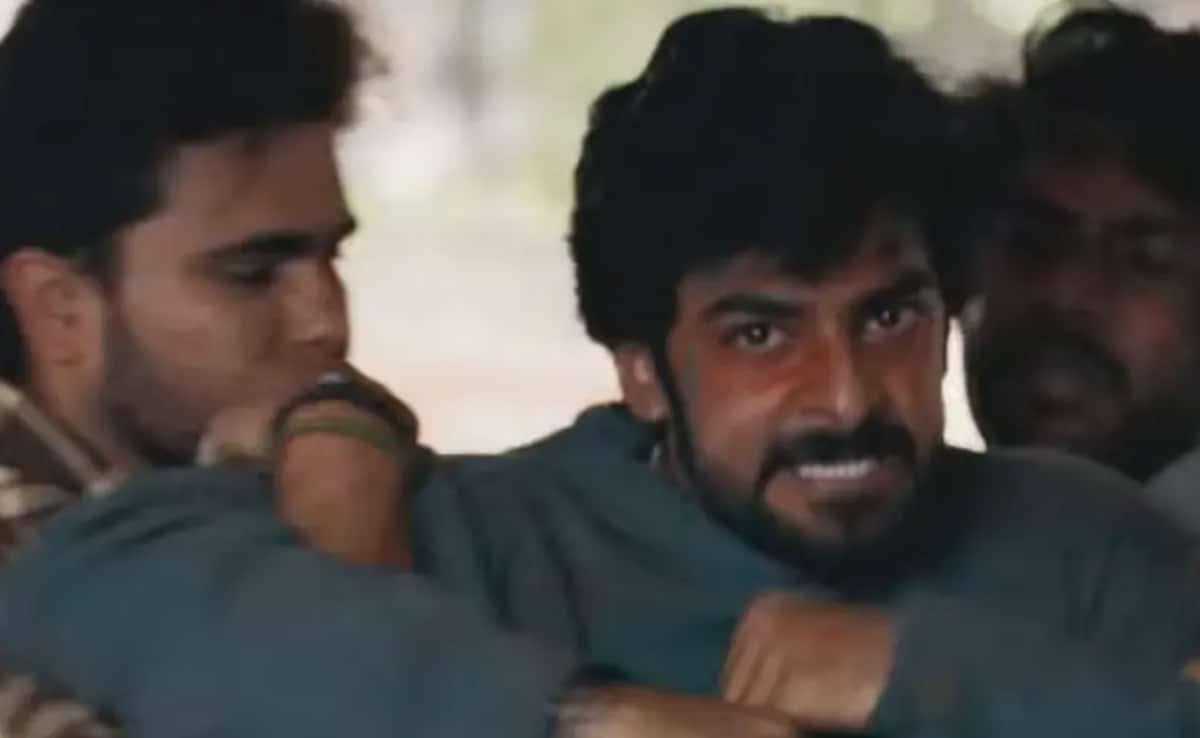
A still from The Girlfriend
And he's everywhere - Hindi, Tamil, Telugu, even Spanish-language dramas streaming on OTT. Let's break down how we got here.
The Box Office Blessing Of Bad Behaviour
Not long before Tere Ishk Mein, Prabhas' audio teaser for Spirit went viral, because of the hero's voice dripping in swagger: "Bachpan se meri ek buri aadat hai." The hashtag #OneBadHabit was instantly everywhere.
But why did this relatively ambiguous teaser spark concern? Because Spirit is directed by Sandeep Reddy Vanga, the man who practically industrialised toxic masculinity for mass consumption - first with Arjun Reddy, then Kabir Singh, and most controversially, Animal.
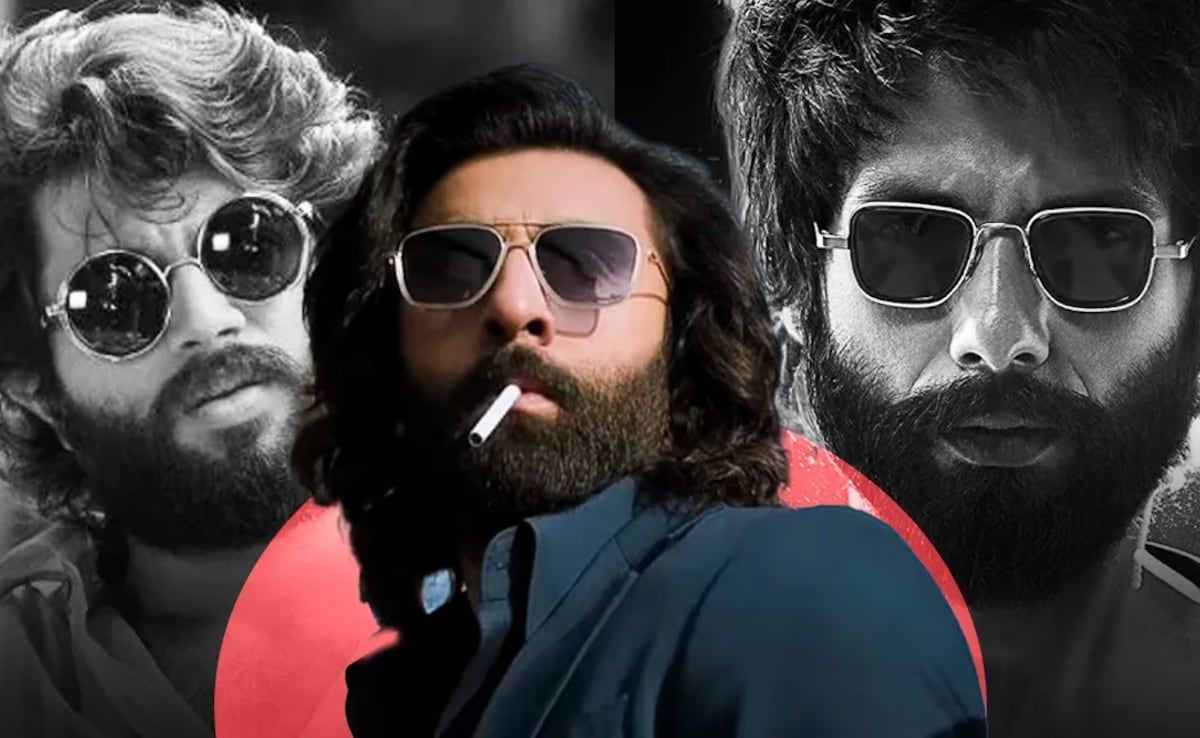
Each film faced intense backlash for normalising the rage, entitlement and control of their male protagonists... and each film made hundreds of crores.
The success of Animal (Rs 915 crore worldwide, approx) turned toxic heroism into a commercial template, one that 2025 has embraced with full force.
When Toxicity Is Marketed As "Deewaniyat"
Harshvardhan Rane's Diwali release, Ek Deewane Ki Deewaniyat, was another unsettling reminder that Bollywood is slipping backwards.
Here, Rane plays Vikramaditya Bhonsle, a political scion who becomes obsessively fixated on Sonam Bajwa's Ada Randhawa.
Rejection only fuels his mania, ultimatums and stalking turn into threats, and her life becomes a battleground of coercion.
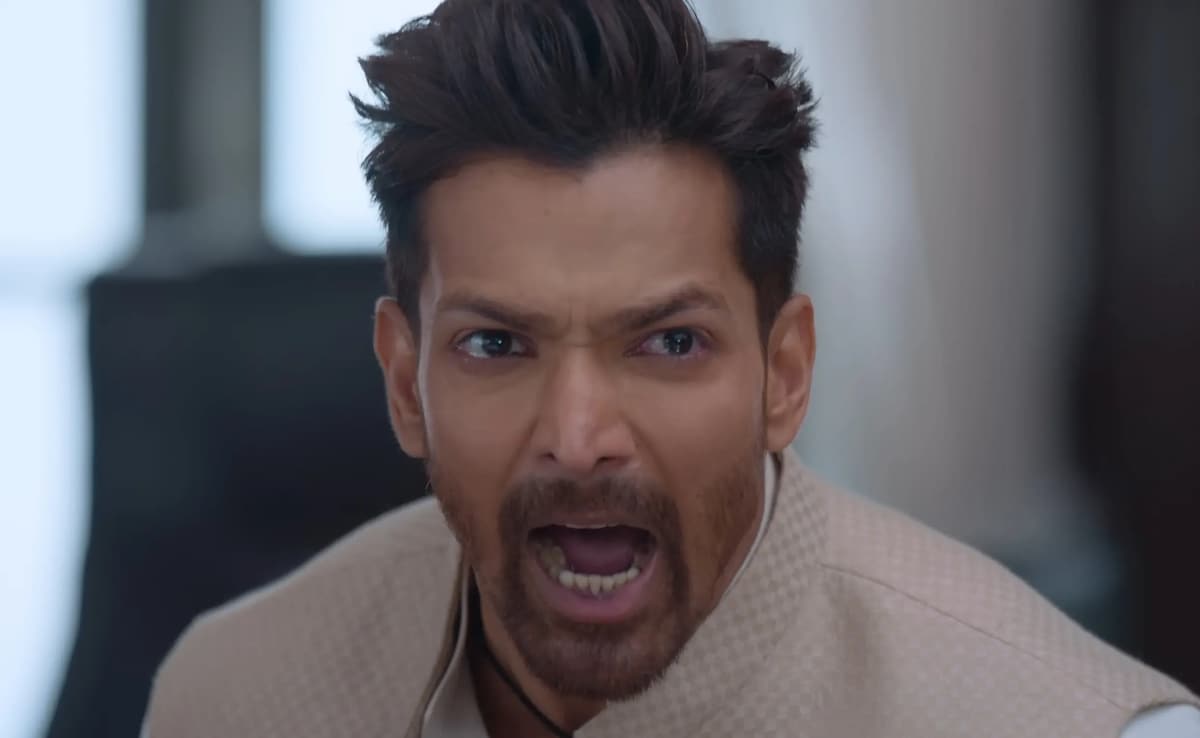
A still from Ek Deewane Ki Deewaniyat
When Ada retaliates by announcing publicly that anyone who kills Vikram before Dussehra can spend a night with her, the film enters a chaotic swirl of obsession, violence, and crowdsourced revenge.
Problematic? Absolutely. Popular? Surprisingly, yes.
The film has already crossed its Rs 25-crore budget, pulling in Rs 43.25 crore worldwide, proof that audiences are lapping up dark, twisted romances again.
The Red Flags No One Seems To Mind
In Tere Ishk Mein, Shankar's (Dhanush) reckless behaviour - setting things on fire, disrupting public peace, intimidating crowds - would make any woman flee in the real world. But in 2025 Bollywood, these are merely quirks of a tortured lover.
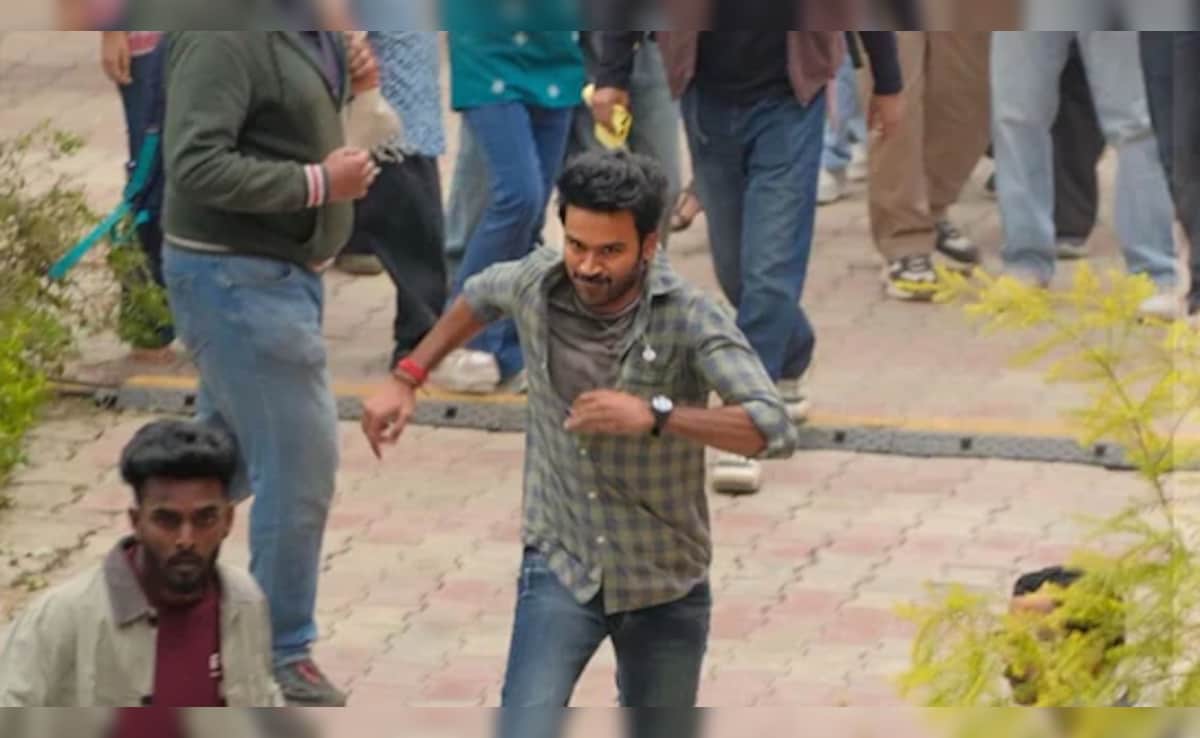
A still from Tere Ishk Mein
The film glorifies obsessive pursuit, possessiveness, emotional volatility and refusal to accept a woman's "no". All while offering minimal depth to Mukti (Kriti), who exists largely as the pivot for Shankar's transformation.
And yet, audiences are celebrating the film's "emotional high."
South Cinema Joins The Toxic Parade
In Thalaivan Thalaivii, Vijay Sethupathi's Aagasaveeran is a different flavour of toxic: less aggressive, more insidious. His flaw isn't overt violence but passivity.
He watches silently as his wife, Perarasi, is emotionally crushed by his family, forced into endless domestic labour, manipulated, and humiliated.
His occasional outbursts, followed by guilt-ridden theatrics (including a dramatic suicide attempt), are framed as proof of his love, normalising a pattern of emotional coercion.

A still from Thalaivan Thalaivii
The film's yelling-heavy marriage dynamic and endless fights create a disturbing portrayal of normalised dysfunction masquerading as companionship.
On the surface, Rashmika Mandanna-Dheekshith Shetty's The Girlfriend promises a youthful campus love story. But Vikram's (Dheekshith) behaviour quickly spirals into alarming territory.
He isolates Bhooma (Rashmika) from her friends, gaslights her, controls every aspect of her social life, becomes violent "out of love", and treats her autonomy as an inconvenience.
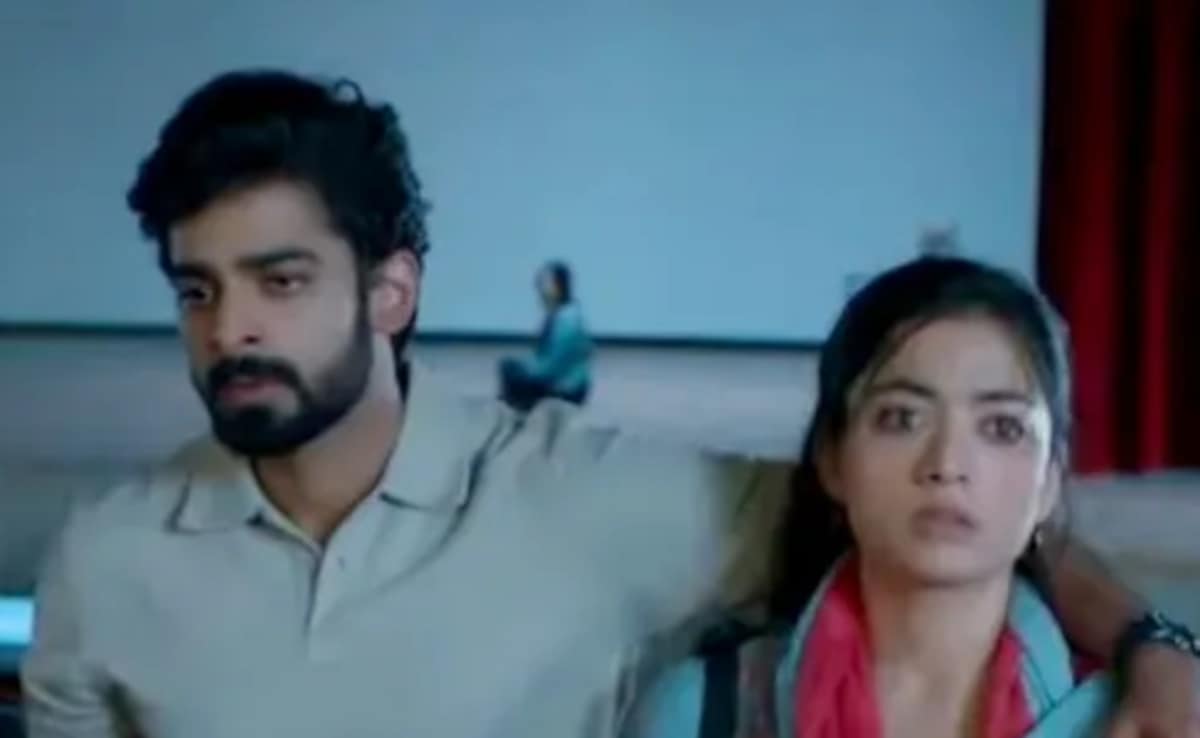
A still from The Girlfriend
The film's chilling highlight - Bhooma's glimpse of Vikram's mother's oppressive existence - serves as a stark warning: abuse is often generationally normalised, not spontaneous.
The climax, where Bhooma painfully frees herself from this toxic cycle, is one of the few glimmers of hope in a year crowded with destructive romances.
Toxicity Wearing A Mask Of Sophistication
In Mrs, the toxicity isn't wrapped in bruises or fiery declarations; it's disguised as civility, tradition, and domestic duty.
Sanya Malhotra's Richa enters a "modern" marriage with a well-spoken gynaecologist, only to discover her in-laws believe mixers are "impure," labour is women's fate, and ambition must be sacrificed at the altar of marital respectability.
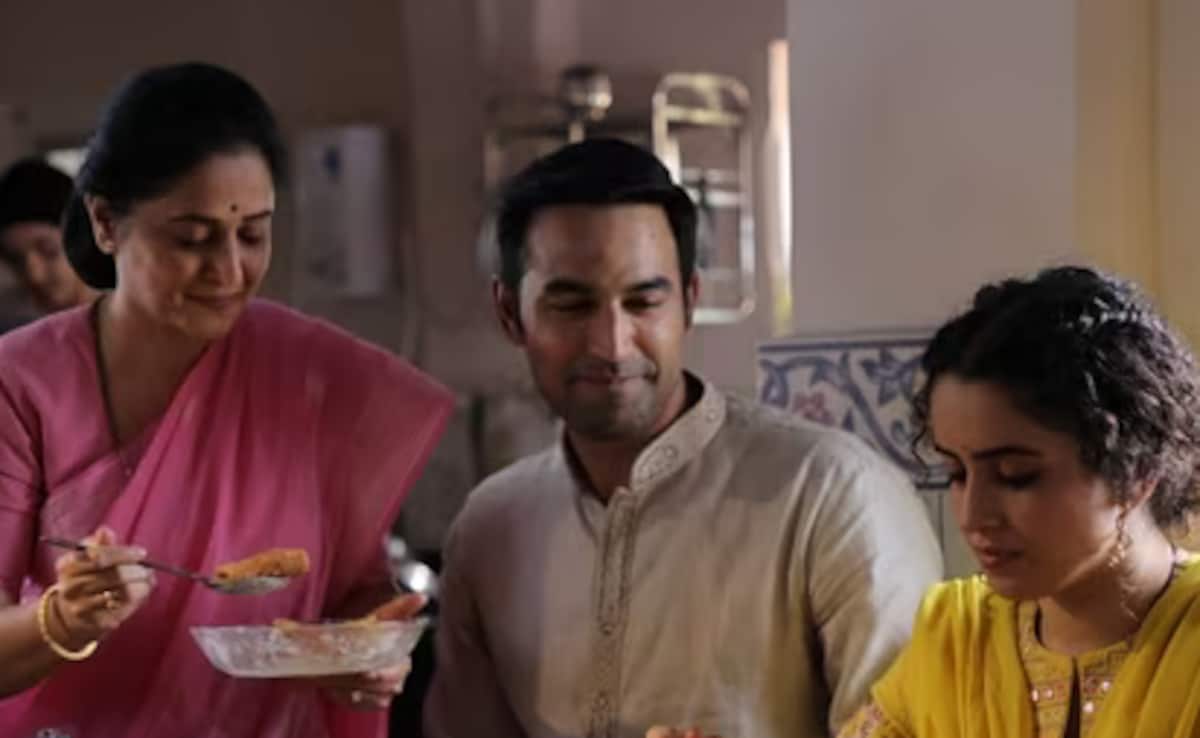
A still from Mrs
Diwakar's (Nishant Dahiya) facade of politeness collapses quickly as he trivialises her career, gaslights her into obedience, polices her identity, reduces intimacy to mechanical duty and prioritises reputation over her dreams. His version of toxicity is quiet and cultural, perhaps the most dangerous kind of all.
Global Romance Isn't Immune Either
Our Fault (Culpa Nuestra), the third film in the Spanish "Culpables" trilogy (which enjoys massive Indian viewership), reaffirms how global pop culture also fetishises the problematic bad boy.
Nick, the male lead, embodies intense jealousy, possessive stalking, hyper-control disguised as romance, emotional manipulation, reckless endangerment and sabotaging Noah's relationships to assert ownership.

A still from Our Fault
Despite being framed as redemption arcs, his actions repeatedly erase Noah's trauma, turning her pain into a backdrop for his personal growth.
This international influence feeds into Indian fandom, subtly validating similar homegrown narratives.
Why Are Audiences Embracing Toxicity Again?
Several factors seem to have converged:
- Nostalgia For High-Stakes Melodrama: People are tired of safe, sanitised romances. They crave intensity-even if it's messy.
- The "Animal" Effect: Ranbir Kapoor's Ranvijay Singh didn't just become a character, he became a cultural phenomenon. His success proved that controversy sells.
- Social Media Aesthetics: Short clips of toxic heroes crying, screaming, bleeding, and confessing circulate widely on Reels, romanticising red flags as passion.
- Industry Desperation: After a year of widely underperforming films, producers seem to be greenlighting whatever guarantees footfalls.
- Familiarity: Indian cinema has always had shades of toxicity. From Devdas to Darr, this is not new-just repackaged for Gen-Z timelines.
Where Does 2025 Leave Us?
In 2025, cinema has taken a giant step backwards - looking love in the eye and reducing it to obsession, control, violence, and emotional turbulence. The year's films have normalised behaviours that society has been fighting to unlearn.
But there's one difference from the past: Women in many of these films - like Bhooma and Richa - are finally walking away.
They're calling out the cycle. They're refusing to be collateral damage. They're reclaiming narrative authority.
Which means perhaps all is not lost. Toxic heroes may be trending again. But the heroines? They're rewriting the ending.
And that might just be the plot twist 2025 needed.
