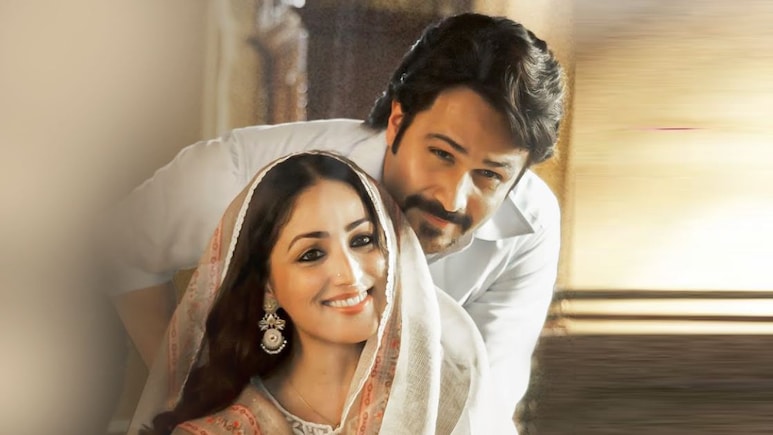
When Haq dropped on Netflix earlier this month, it was widely expected to spark conversation in India. A courtroom drama inspired by the landmark 1985 Shah Bano case, the film takes on Muslim women's right to maintenance through the story of Shazia, played by Yami Gautam, locked in a bruising legal and emotional battle with her husband, portrayed by Emraan Hashmi.
What few anticipated was how powerfully the film would resonate far beyond Indian borders.
In the weeks following its January 2, 2026 OTT release, Haq has found an unexpectedly vocal and deeply engaged audience in Pakistan and Nigeria, two countries with very different cultural landscapes but strikingly similar conversations around faith, law, marriage, and women's rights.
A Film That Struck A Nerve In India First
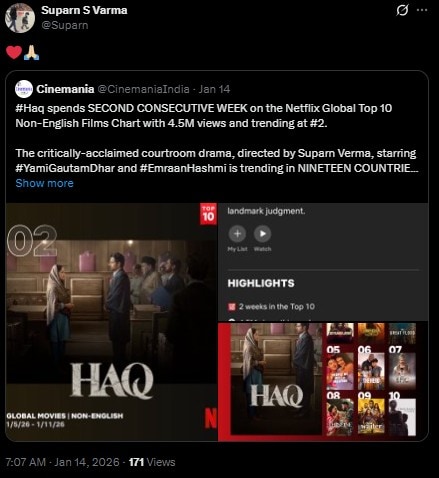
Directed by Suparn S Varma, Haq debuted at number 1 on Netflix India and quickly climbed to number 2 globally among non-English films. In its second week alone, the film clocked 4.5 million views, holding its position against bigger-budget and longer-running titles.
The response in India leaned heavily on the film's restraint. Haq relies on courtroom tension, moral ambiguity, and lived-in performances. Gautam's Shazia is neither sainted nor softened, while Hashmi's unsettling turn as a manipulative husband drew praise for its discomforting realism.
Industry figures including Alia Bhatt, Kiara Advani, Karan Johar, and Farah Khan publicly applauded the film. Gautam described the audience response as "overwhelming", while Varma spoke of non-stop messages following the film's release, many of them from outside India.
When Pakistan Discovered Haq
Within days of its Indian success, Haq began trending on Netflix Pakistan, where it soon topped the platform's charts. The reaction was swift and emotional, especially on social media, where Pakistani actors, lawyers, influencers, and viewers weighed in.
What stood out most was not just praise for the performances, but surprise at the film's handling of Islamic law, divorce, and women's rights.
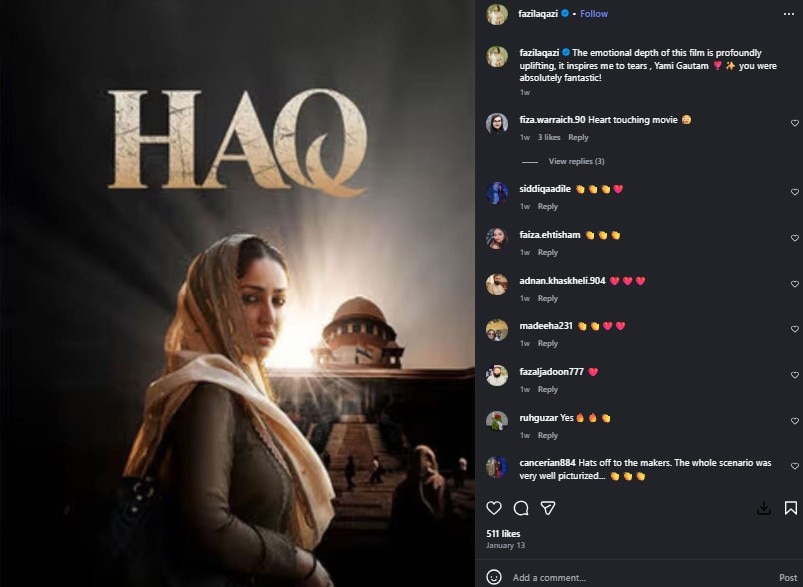
Pakistani actor, writer, and producer Fazila Qazi wrote on Instagram, "The emotional depth of this film is profoundly uplifting, it inspires me to tears, Yami Gautam! you were absolutely fantastic!"
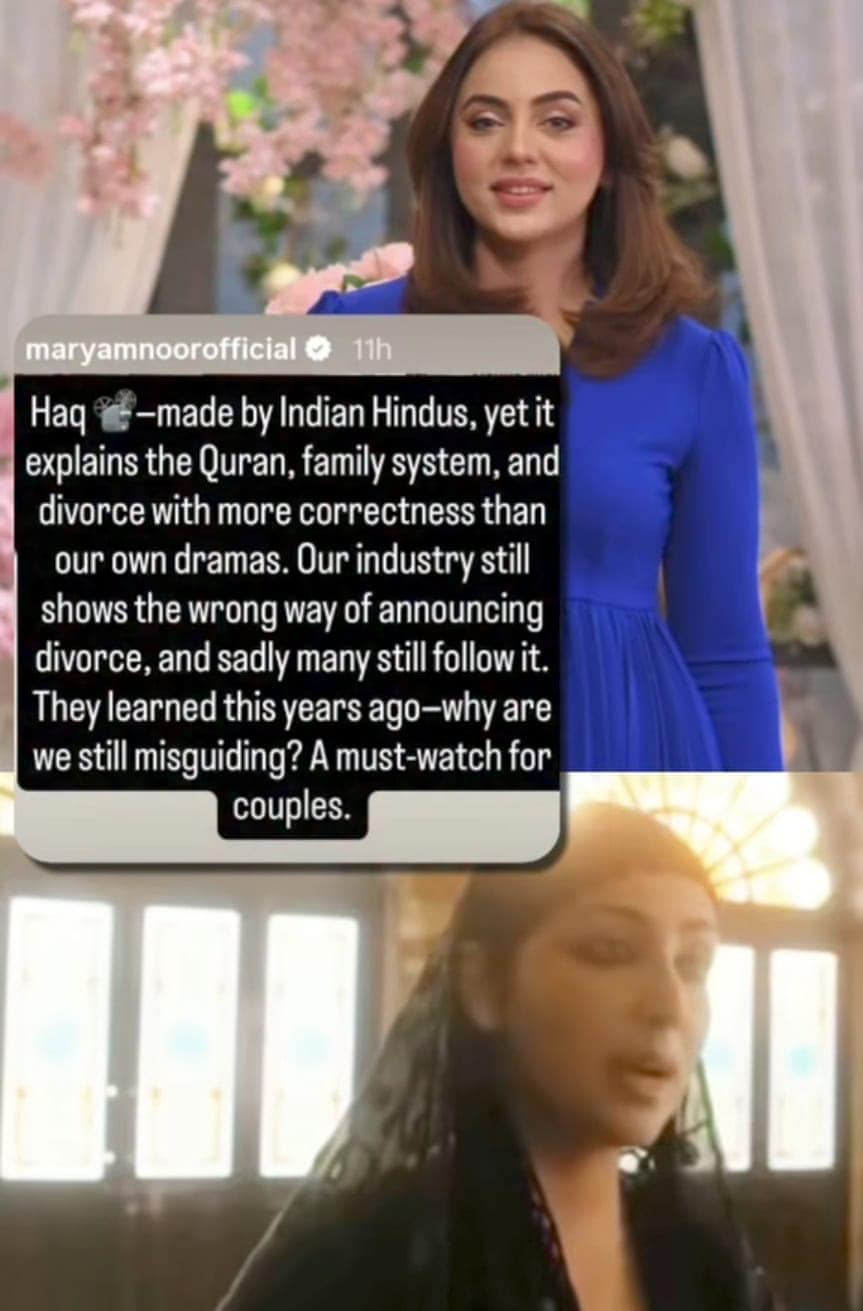
Actor, influencer, and lawyer Maryam Noor shared a far more pointed reflection, comparing Haq with Pakistan's own television dramas:
"Haq made by Indian Hindus, yet it explains the Quran, family system, and divorce with more correctness than our own dramas. Our industry still shows the wrong way of announcing divorce, and sadly many still follow it. They learned this years ago why are we still misguiding? A must-watch for couples."
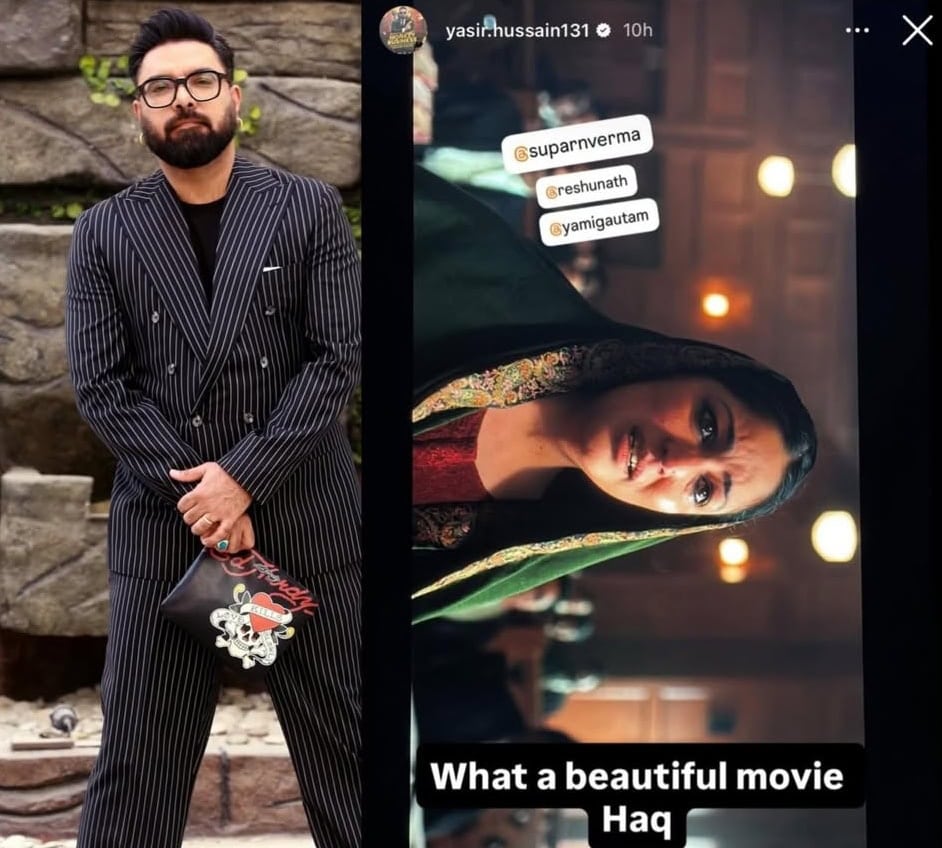
Screenwriter and actor Yasir Hussain kept it simple, posting on Instagram, "What a beautiful movie Haq"
Doctor and influencer @drejazwaris offered a detailed breakdown of the film's craft and impact:
"Haq is about a powerful and engaging watch from start to finish. Yami Gautam delivers a phenomenal performance and carries the emotional depth of the film with complete conviction. Emraan Hashmi is solid and effective, adding strength and balance to the narrative. The supporting cast complements the leads perfectly. The script is tight, the direction is confident, and the storytelling feels purposeful rather than forced. Every department works in harmony, making HAQ a well crafted film that keeps you invested throughout and leaves a strong impact."
Public reactions echoed similar sentiments, with viewers praising everything from Gautam's performance and Varma's direction to the film's understated makeup and realism. For many Pakistani viewers, Haq opened an uncomfortable conversation about how casually divorce and women's financial rights are misrepresented in mainstream storytelling.
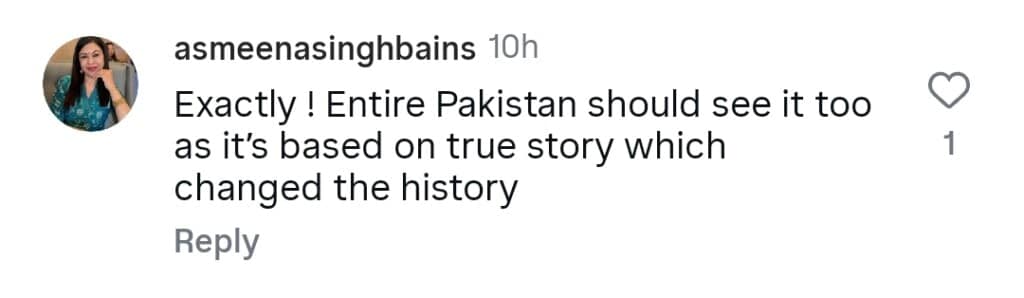
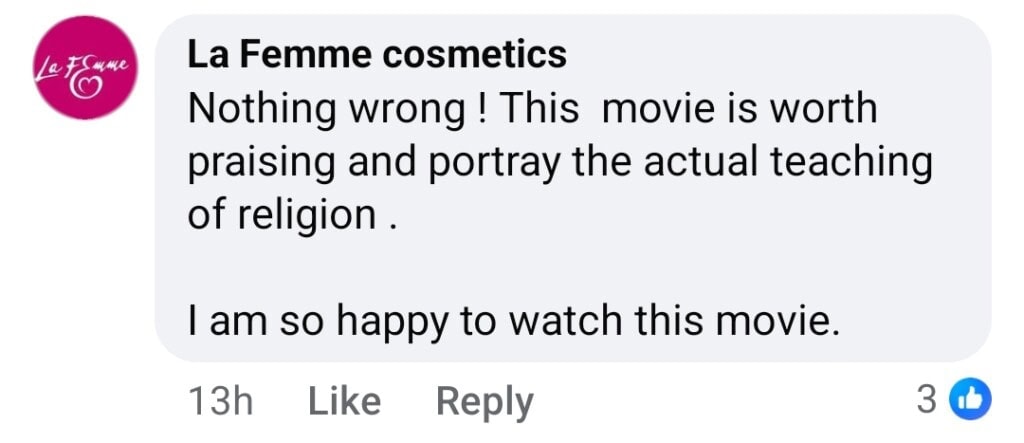
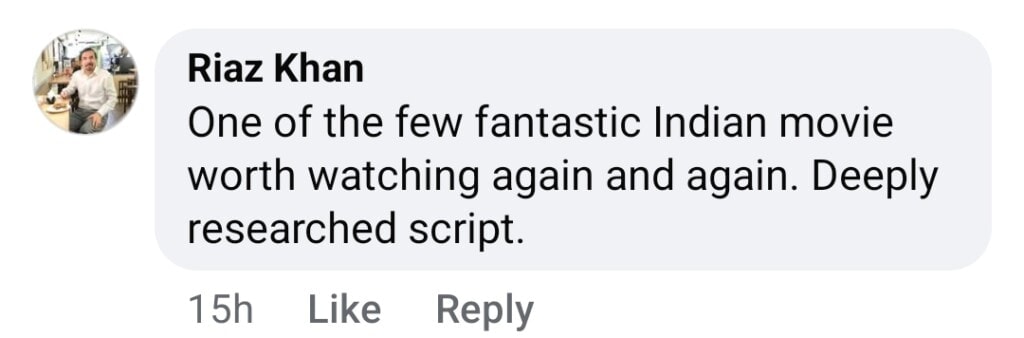
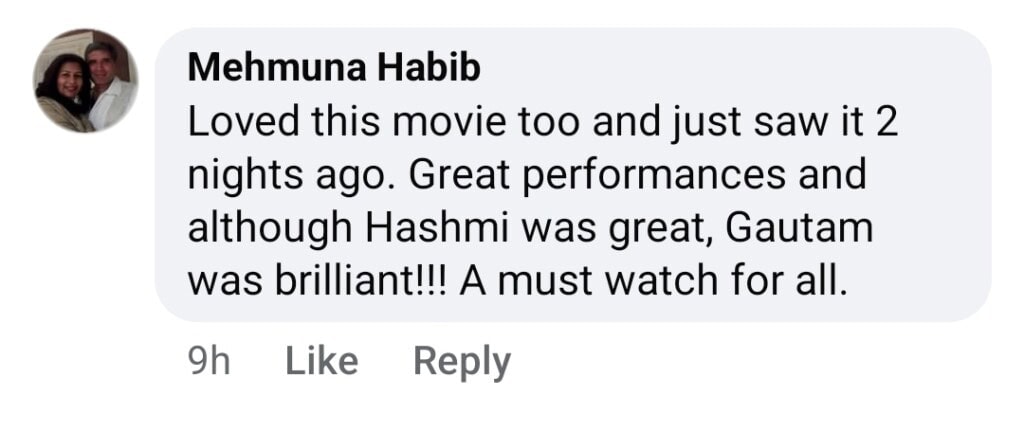
Have a look at some reactions from the Facebook comment section about the movie:
Nigeria And An Unexpected Connection
If Pakistan's reaction was intense, Nigeria's response was startling in scale. Haq shot to Number 1 on Netflix Nigeria soon after it release.
This is particularly notable, given Nigeria's highly competitive streaming market and its mix of local and international content.
Last week alone, three Indian films featured in Nigeria's Netflix Top 10:
- No. 1: Haq
- No. 3: Akhanda 2
- No. 7: Baahubali Epic
Nigeria has a Muslim population estimated at 50 to 55 percent, and viewers there appeared to strongly connect with Haq's themes of marital justice, child support, and the emotional toll of patriarchal control. Director Suparn Varma revealed that he received direct calls from from all over the world, with viewers describing how deeply the film had affected them.
On X, one Nigerian viewer wrote after watching the film, "Just finished watching Haq on Netflix and I'm honestly disgusted. The misogyny in many African Asian societies is actually terrifying. Imagine having to take a man to court just to get child support for HIS OWN kids. The ego, the control, the wickedness it's appalling [SIC]."
Another Nigerian woman living in the UK urged others to watch it, posting,
"When you finish work today, get on your Netflix and watch HAQ."
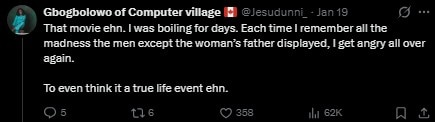
The anger and frustration sparked by the film became part of its conversation. One viewer summed up the emotional aftermath with brutal honesty, have a look:

Why Haq Travelled Across Borders
What makes Haq's reception in Pakistan and Nigeria particularly significant is that it transcends nationality and language. Though rooted in an Indian legal case, the film touches a nerve that feels universal across societies where faith, family, and patriarchy intersect.
