The massive success of Dhurandhar: The Revenge has set the box office and the Internet buzzing.
As the film continues its record-breaking run, more than a decade-old post related to gangster Uzair Baloch's arrest has resurfaced online.
Dated December 29, 2014, the post read, "Uzair Baloch arrested by #Interpol at #Dubai Airport (Bad news for #Layari Gangsters)".
Uzair Baloch arrested by #Interpol at #Dubai Airport
— لال بجھکڑ (@afzaal_k) December 29, 2014
(Bad news for #Layari Gangsters and #PTI)
The post has found renewed traction in the wake of the film's popularity.
Who Was Uzair Baloch?
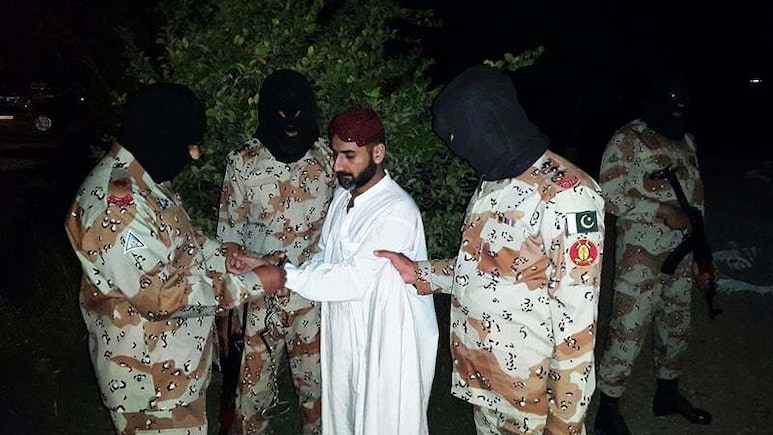
Uzair Baloch was known as the kingpin of the Lyari gang and was among the most wanted individuals linked to violent crime in Karachi. In Dhurandhar 2, Danish Pandor portrayed the role of Baloch. His arrest in 2014 was confirmed by the Pakistani consulate in Dubai, which stated that he had been detained by Interpol at Dubai airport.
He was reportedly travelling from Muscat to Dubai at the time of his arrest. Authorities revealed that Baloch was using an Iranian passport under the name Abdul Gani. Prior to this, he had been sentenced to imprisonment in Pakistan but had managed to evade arrest.
The Pakistani government had announced a head money of five million rupees for his capture, dead or alive. Interpol had also issued a red warrant against him following a request from Pakistani authorities.
A Reign Of Crime In Karachi
Baloch had fled Pakistan after a major crackdown was launched in Karachi to curb rising incidents of violence, including kidnappings for ransom, extortion, and robberies. His activities were closely tied to the unrest in Lyari, one of Karachi's oldest and most economically challenged neighbourhoods.
He rose to prominence after taking control of the gang following the killing of Abdul Rehman, also known as Rehman Dakait, in a police encounter in 2012. Under Baloch, the group expanded its influence and operations.
Despite his notoriety, Baloch cultivated an image as a local benefactor. He reportedly funded education, medical treatment, and weddings for residents, claiming his income came from transportation and real estate businesses inherited from his father.
Political Links And Fallout
Over time, Baloch emerged as a political figure in Lyari and received backing from the Pakistan Peoples Party. He went on to form the Lyari Amn Committee. However, as allegations of criminal activities mounted, the party distanced itself from the group, and the committee was eventually banned.
His notoriety escalated further with the alleged killing of rival gang leader Arshad Pappu. The incident, marked by extreme brutality, became one of the most talked-about episodes in Karachi's gang wars.
Gang Rivalries And Continued Violence
Following a security operation launched in September 2013, internal rifts began to surface within Baloch's network. His relationship with Noor Mohammad, also known as Baba Ladala, deteriorated, leading to violent clashes between their factions.
Lyari soon became a battleground between rival groups. Ladala, who was also on Interpol's radar, was believed to have operated without official travel documents, allegedly crossing into Iran through illegal routes.
Some unverified reports later suggested that he may have been killed near the Pakistan-Iran border.
Meanwhile, widespread extortion and kidnapping activities by gang members created an atmosphere of fear in the city. Reports indicated that even a call originating from Lyari was enough to alarm businessmen and professionals, often leading them to comply with ransom demands.
Baloch was also accused of involvement in the torture and killings of several activists associated with the Muttahida Qaumi Movement.
