





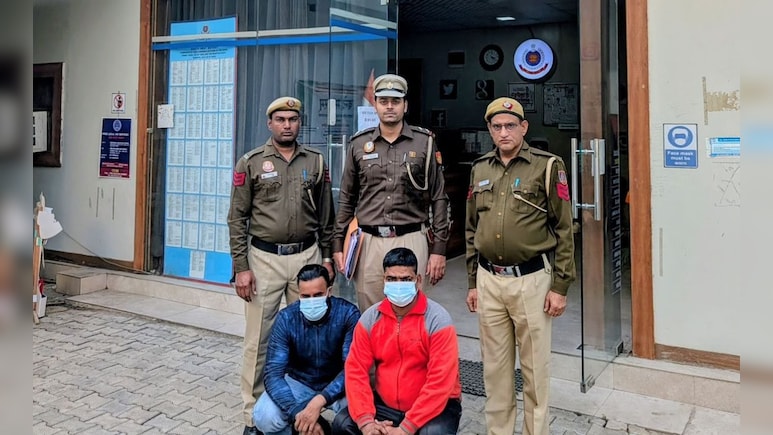
In a major crackdown on cyber-enabled financial crime, the Cyber Crime Cell of the Delhi Police dismantled a sophisticated interstate investment fraud syndicate with international links, arresting eight fraudsters across four states. The accused allegedly cheated victims by luring them into fake investment schemes and funnelled the proceeds to handlers' operations from Cambodia using Indian mule bank accounts. Further investigation is underway to identify the international kingpins and additional victims who were defrauded.
Speaking to NDTV, DCP (Deputy Commissioner of Police), South West, Amit Goel said, "We have so far linked 63 NCRP (National Cyber Crime Reporting Portal) complaints to the syndicate, with nearly Rs 4 crore deposited in mule accounts within just 14 days.
How The Fraud Came To Light
The case was registered on November 7 last year following a complaint by a 42-year-old woman from Vasant Kunj, who was cheated of Rs 15.58 lakh. The woman was contacted via WhatsApp by fraudsters posing as investment experts offering guaranteed returns through stock trading. Trusting their claims, she transferred money to accounts later identified as mule accounts.
The Investigation And The Arrests
A multi-pronged investigation involving technical surveillance, money trail analysis, and digital forensics led the Delhi Police to Vanapatla Sunil Kumar, a Telangana resident, who was supplying mule accounts on commission. Subsequent raids across Telangana, Uttar Pradesh, Rajasthan, and Delhi resulted in the arrest of all eight of the accused, which included account handlers, suppliers, and facilitators.
READ: 280 Gangsters Arrested In 5 States: Inside Delhi Police's 'Op Gang Bust'
According to the police, the mule accounts were opened using fake companies and later supplied to foreign handlers through platforms like Telegram. The fraud proceeds were layered through multiple Indian bank accounts to evade detection before being routed abroad.
The Modus Operandi
The victims were contacted using international WhatsApp numbers, redirected to fake stock trading platforms, and induced to invest large sums of money. The money was then parked in mule accounts, rotated through several layers, and finally transferred to overseas operators.
Each link in the chain earned commission, making it a highly incentivised racket.
The Recoveries And The Ongoing Investigation
During the operation, the police recovered 10 smartphones and 13 SIM cards that were used to operate the bank accounts and communicate with handlers. One of the accused, an MBA graduate who previously ran a software company, allegedly supplied his corporate account, which alone is linked to 51 complaints.
Track Latest News Live on NDTV.com and get news updates from India and around the world

