





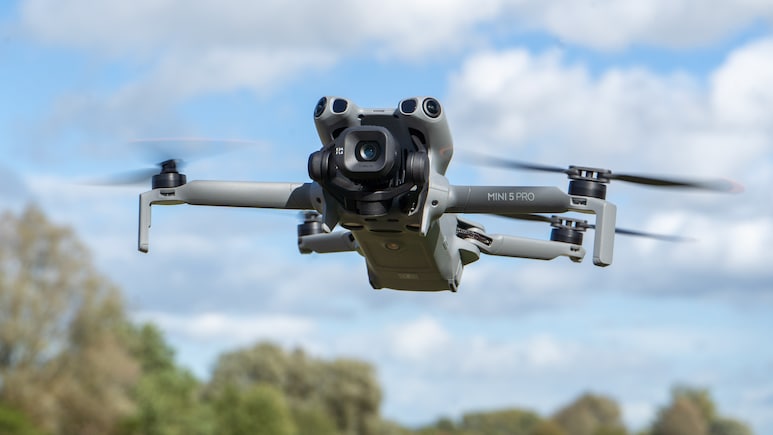
Everyone's flying drones these days. Weddings. Reels. Farms. Real estate ads. But almost nobody knows the rules -- until they break one.
Picture a wedding in Punjab. The baraat is dancing. Somebody's cousin, armed with a Rs 50,000 drone and a Instagram dream, sends it soaring over the venue for the perfect aerial shot. Everyone cheers.
Now picture the same drone, twenty minutes later, drifting a little too close to a nearby airbase.
Also Read | Layoffs Are Rising In Tech, But These Skills Are Helping People Unlock Better Pay
That's the moment everything changes.
A Sky Getting More Crowded By The Day
Drones aren't a novelty anymore. They're a habit.
As of February 2026, India had nearly 40,000 registered drones and just as many DGCA-certified remote pilots. Add 244 approved drone training schools, and you get a picture of an industry that has genuinely taken off.
Weddings are just the beginning. Farmers use drones to spray pesticides. Real estate agents use them to shoot property walkthroughs. Small businesses use them for promotional reels. Landscapers use them to survey land. Influencers use them for that one perfect overhead shot that gets the algorithm's attention.
Drones have quietly become part of ordinary Indian life. The problem is, the rules haven't caught up with public awareness -- and that gap is where trouble starts.
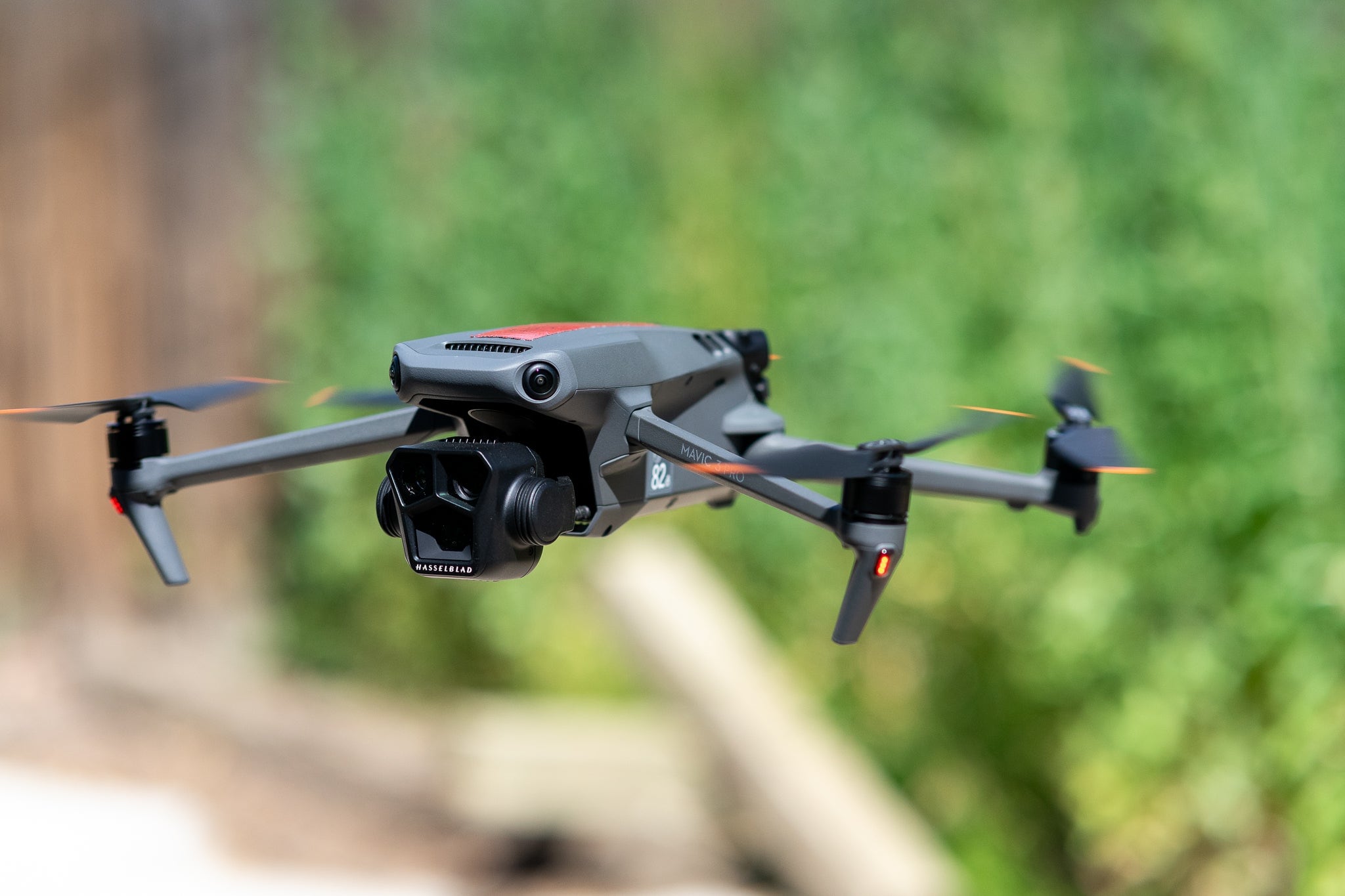
The Three Zones You Need To Know
India's airspace isn't a free-for-all. It's colour-coded, and every drone pilot -- hobbyist or professional -- is expected to know the difference.
Green Zone. This is where most people fly. Open fields, rural areas, most residential neighbourhoods. You can fly up to 400 feet without asking anyone's permission, as long as your drone is registered.
Yellow Zone. This is controlled airspace -- areas near airports, city centres, and other sensitive corridors. You need permission through the Digital Sky platform before you take off. For low-risk flights, that approval usually comes quickly.
Red Zone. This is the one that gets people into real trouble. Red zones cover international borders, military installations, Parliament, and other high-security locations. No drone goes up here without explicit government clearance -- and that clearance is rarely handed out.
The catch? These zones aren't static. They shift during elections, cricket matches, VVIP visits, and national holidays. A field that was green last month could be yellow this month. The only way to know for sure is to check the Digital Sky map before every single flight -- not the week before, not "last time I checked."
So What Actually Happens When A Drone Crosses The Line?
This is where it gets interesting -- and where most people's understanding stops short.
When an unauthorised drone enters restricted airspace, the first challenge isn't shooting it down. It's figuring out what it even is.
"An unauthorised drone entering restricted airspace is not automatically a security threat, but it is an event that needs to be understood quickly and accurately," says Amardeep Singh, Founder and CEO of Armory, a counter-drone technology company. "Detection is only the first step. Authorities need to know where the drone is, where it came from, how it is moving and, as far as possible, who is operating it."
Modern drones don't make this easy. They can change altitude mid-flight, alter their path, and in some cases, even change how they communicate when they sense interference. So authorities lean on a mix of tools -- radio frequency sensing to pick up the drone's signals, and Drone ID systems where available, to trace an aircraft back to its operator. But Drone ID isn't universal yet, which means a clean digital trail can't always be guaranteed.
The harder question, though, isn't where the drone is. It's why it's there.
A wedding drone that strays 50 metres too far is not the same as a drone deliberately circling a sensitive facility. But in the moment, that difference isn't always obvious -- to a sensor or a human.
"The more difficult question is intent," Singh told NDTV. "A recreational drone that accidentally enters a restricted area is very different from one deliberately approaching a sensitive facility. AI and machine learning can help operators analyse signals and flight behaviour faster, but technology alone cannot reliably determine intent in every situation."
That's why India's counter-drone systems are built in layers -- detect, track, identify, assess -- before anyone decides what to do next. In crowded areas, simply shooting a drone out of the sky can be more dangerous than leaving it be. So the final call, Singh points out, still rests with trained human operators, not machines.
India is now pushing to build its own counter-UAS technology instead of relying on imported systems, with growing focus on threat classification and behavioural analysis. It's a global challenge, but one India is trying to solve on its own terms -- for its own airspace and its own security needs.
And What Happens To You, The Pilot?
For the person actually flying the drone, the consequences of getting it wrong are not abstract.
Depending on where the violation happened and how serious it was, penalties can range from fines to confiscation of your drone, being blacklisted from future registration, or (in serious cases) imprisonment. "I didn't know it was a red zone" is not a defence that holds up.
The good news is that staying compliant isn't complicated. It just takes a habit:
- Register your drone if it weighs over 250 grams -- anything above that needs a Unique Identification Number through the Digital Sky platform.
- Check the zone map before every flight, not just the first time. Zones shift, especially around elections, festivals, and VIP movement.
- Get a Remote Pilot Certificate if you're flying anything above the Nano category (under 250g) or flying commercially.
- Never assume a "green" area stays green. Temporary restrictions can appear overnight.
What A Drone Actually Costs
Here's the part everyone eventually asks about: how much does a decent camera drone even cost?
For casual flyers, entry-level options like the DJI Mini 2 SE start around Rs 46,500 -- light enough to skip some of the heavier registration requirements, and simple enough for a first-timer to fly confidently.
Wedding videographers and small businesses tend to go a step up, to something like the DJI Mini 4 Pro, priced around Rs 99,999. It shoots sharp 4K video, has obstacle sensors on every side, and produces footage that looks far more polished than its price tag suggests.
For those who want a genuinely professional setup -- two cameras, longer flight time, better stability in wind -- the DJI Air 3 runs closer to Rs 1,35,500. It's become a favourite among travel creators and wedding videographers who need their gear to double up as a reliable, everyday shooting rig.
None of these numbers include the cost of registration, training, or insurance -- all of which add up if you're planning to fly commercially rather than just for a one-off family function.
As for people flying drones, here's the checklist: know your zone, check before you fly, and don't assume the sky is yours just because you bought the drone. "It is about understanding what it is, where it came from, what it is doing, and what action should follow," Amardeep Singh added.
Track Latest News Live on NDTV.com and get news updates from India and around the world

