-

To Wean Young Punjab From Drugs, Bhagwant Mann's New Recipe: Sports
The government has announced the fourth edition of "Khedan Wattan Punjab Diyan", positioning sports as a key weapon in its fight against drugs
-

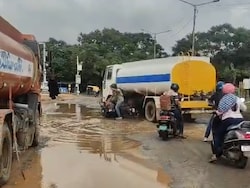
Video: Bengaluru Man Almost Run Over By Tanker After Bike Hits Pothole
As he lost control, a tanker approaching from behind appeared to fail to notice the rider and subsequently ran over the motorcycle.
-
Speeding Aston Martin Rams, Kills Woman In Hyderabad, MP's Son Charged
Car was being driven by Lingamaneni Ramesh's son Sanjush, 21, allegedly at high speed and in a rash manner when it struck Bharathi, a 26-year-old mall saleswoman
-
Fungus In Vegetables, Expired Products Found At 36 Train Stations In Karnataka
The team also noticed fungal growth on onions and vegetables, while chutney was found to be stored in plastic buckets that were not suitable for food storage
-
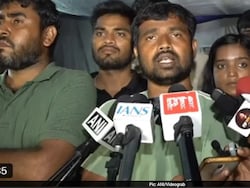
'Government Deceived Us': Jharkhand Students As Court Stays Exam Cancellation
The aspirants had staged a protest for 26 days at Ranchi's Jaipal Singh Munda Stadium before suspending the agitation for two months following the government's decision to cancel 22 recruitment exams.
-
FIR Against Meesho As Gurugram Teen Dead After Consuming Chemical He Bought Online
Police allegedly found during the probe that the boy had ordered the poisonous substance on Meesho using the name of a person based in Surat.
-
Faridabad Couple Pours Boiling Water On Woman, Locks Her In Room For Days
The victim sustained 50 per cent burns and her chest and hands were left severely blistered in the incident on Sunday
-
Burqa-Clad Gang, Mystery Hand, And Rs 2-Crore Jewellery Gone In Maharashtra
CCTV footage showed gang, including four women wearing burqas and two men, took away 1.5-kg gold jewellery from shop in Chhatrapati Sambhajinagar
-
Man Pretends To Be Transgender, Enters Woman's Home And Rapes Her In Mumbai
The accused, identified as Anil Sheshrao Shinde, entered the house of the survivor under the pretext of warding off evil eyes
-
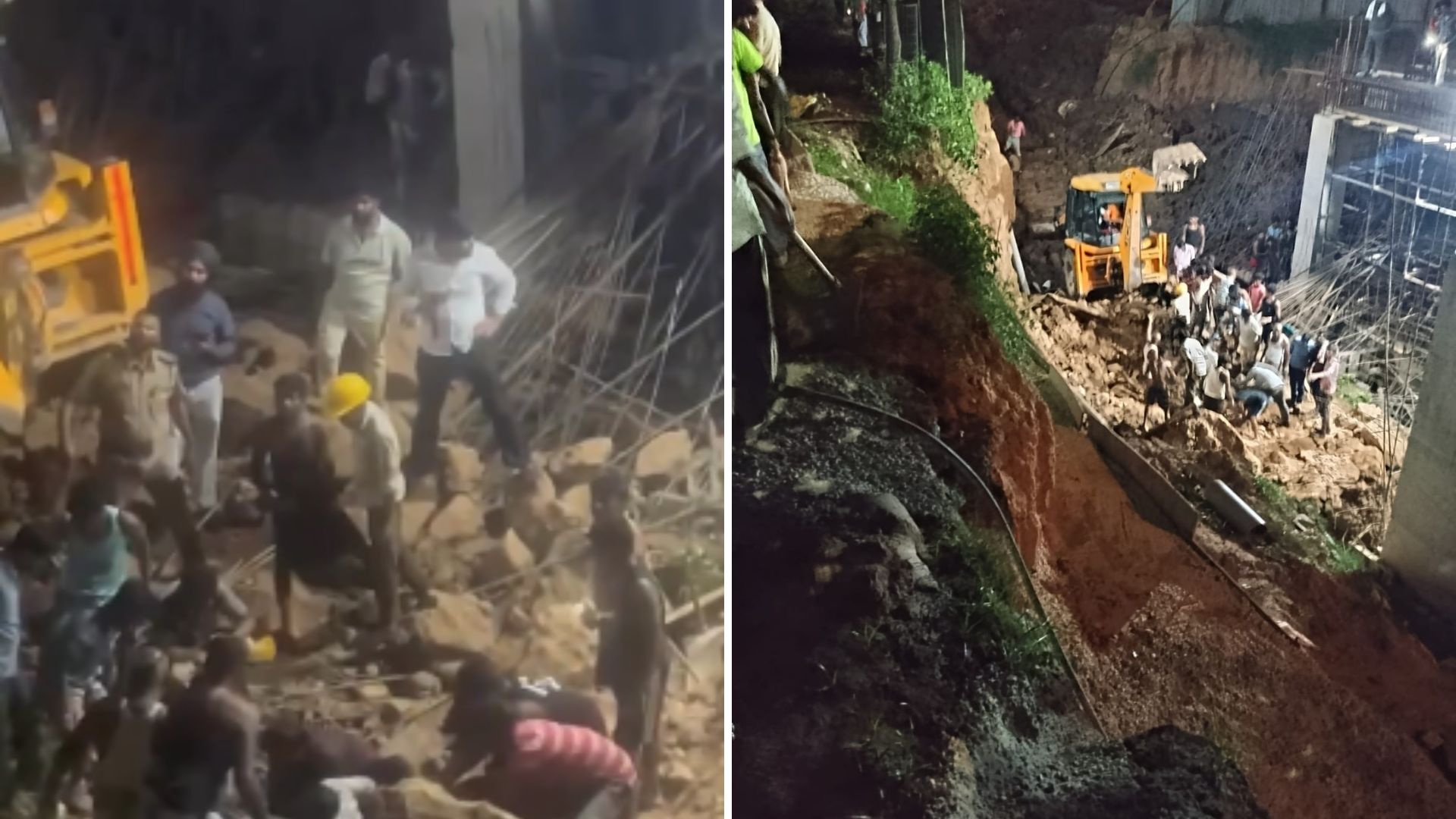
2 Workers Killed As Under-Construction Hospital's Roof Collapses In Mohali
Sources said some labourers are still trapped under the debris. The rescue operation is in progress.
-
Over 1,200 Auto, Taxi Drivers Get Notice For Not Knowing Enough Marathi
After announcing in May that basic proficiency in Marathi is compulsory, the state government introduced a course in Marathi for the benefit of non-Marathi drivers. It had also set a deadline of August 15 for them to learn Marathi.
-
Death Count Rises To 8 In Gujarat Toxic Liquor Case, 39 Being Treated
One of the accused, Narendra Yadav, who hails from Madhya Pradesh, died after consuming the same spurious liquor that he was involved in manufacturing, he said.
-
Paper Leak To Delimitation, Congress Charts Post-Monsoon Session Roadmap
The Congress also put its foot down on the Vande Mataram issue, reiterating that it will not sing more than two stanzas of the national song - as was done once by Mahatma Gandhi and Rabindranath Tagore.
-
2.44 Lakh Social Media Posts Taken Down In March-July 2026: Centre's Data
The duration of these takedowns coincided with the widespread protests by students led by the Cockroach Janata Party on the NEET paper leak issue.
-
Delhi Master Plan 2047 Notified: 40 Lakh Homes, Unified Parking, 24x7 City
The plan envisages nearly 18 lakh affordable homes around transit corridors, easier redevelopment of old colonies, a bigger public transport network and new education and investment hubs.
-
Centre Allows 10 Lakh Tonnes Of Duty-Free Sugar Imports Till October 31
To control prices, the government has also imposed a stockholding limit on bulk consumers who use more than 10 tonnes of sugar a month, capping their stock at 15 days' consumption.
-
India's Domestic Air Traffic Slows In July, But Yearly Numbers Still Up
Passengers carried by domestic airlines during January-July 2026 increased to 984.03 lakh against 977.79 lakh a year ago, thereby registering an annual growth of 0.64 per cent, according to the Directorate General of Civil Aviation (DGCA).
-
Armed Forces Introduce Yoga Training Pathway To Upskill Agniveers
The rollout has begun with an eight-week 'Yogasana' training programme run by the Navy at Command and Area Headquarters.
-
4 Killed, 6 Injured As Trucks Collide Inside Himachal's Hanogi Tunnel
One of the trucks was travelling from Mandi towards Kullu, while the other was coming from the opposite direction, they said.
-
Casteist Slur In Private Can't Be Considered Public Offence: Supreme Court
The Supreme Court said an incident occurring within four walls where no members of the public are present cannot automatically be deemed to have taken place in "public view"