-
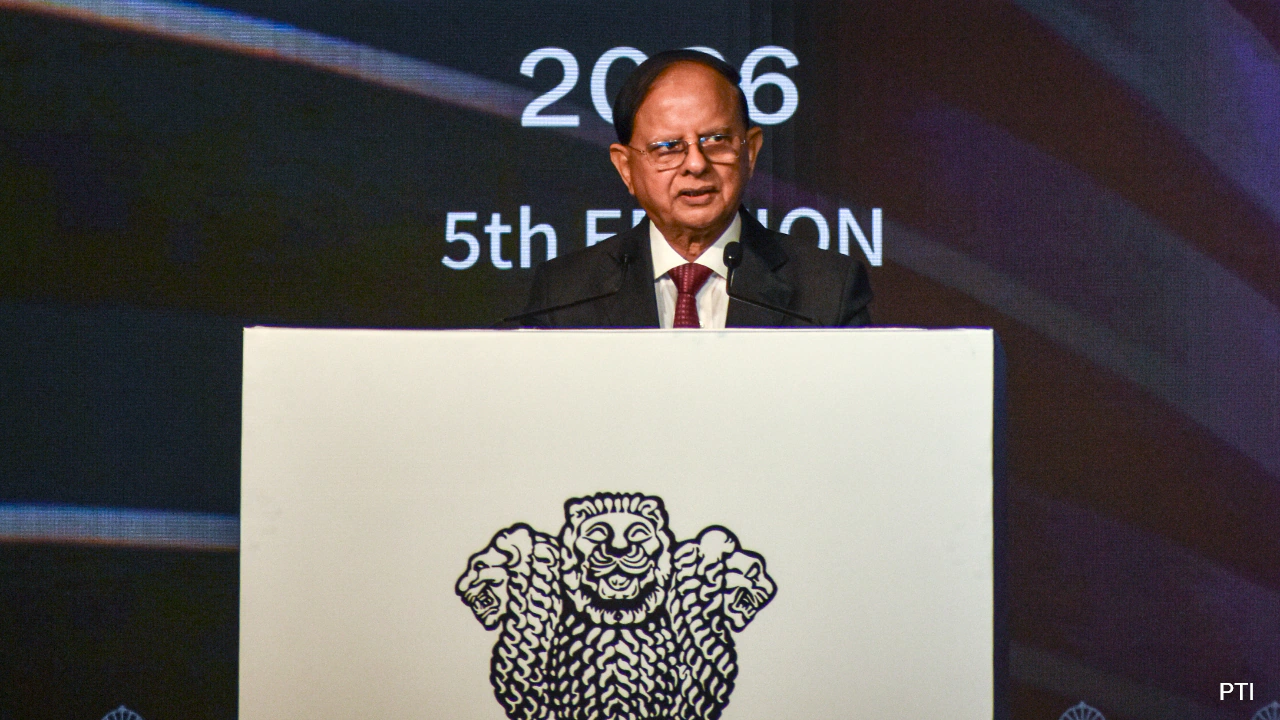
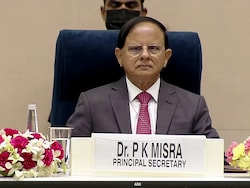
"Tariffs, Export Controls Used For Strategic Purposes": PM's Principal Secretary
Delivering a keynote address at the 5th Kautilya Economic Conclave in New Delhi, PK Mishra said the changing nature of trade policy was adding to uncertainty for economies and policymakers.
-

1.36 Lakh Voters Deleted, But 'Records Not Maintained': Indore RTI Trail
The deletions predate the present SIR. But the correspondence brings the broader debate over electoral transparency down to a concrete issue: the availability of records documenting changes to the voter list.
-
Private Fuel Retailer Nayara Energy Hikes Petrol Price By Rs 5, Diesel By Rs 3 Per Litre
The latest increase comes at a time when state-owned fuel retailers, which account for more than 90% of India's over 104,000 petrol pumps have largely maintained stable retail prices
-
'India Kept High Growth Amid Global Uncertainty': PM's Principal Secretary
Speaking to the media on the sidelines of the 5th Kautilya Economic Conclave ', Mishra said, "I think the subject of the conference is totally different. I was speaking about resilience, and that it also costs".
-
13-Year-Old Girl Gang-Raped In Abandoned Faridabad Building, 3 Arrested
Police are also probing claims that the victims were held captive and that one of the accused forced them to transfer Rs 10,000 to his bank account.
-
Man Jumps To Death From 43rd Floor Of Noida Highrise Supernova
Police said the man was living in an Airbnb in the building. He jumped from the Spira Tower in the Supernova complex in Sector 94, Noida.
-
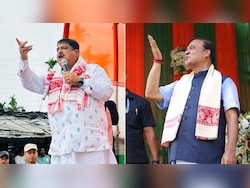
Biryani Barbs Fly As Assam By-Poll Campaign Heats Up
The political war of words is revolving around biryani, pulao, chicken and even dry fish, with Chief Minister Himanta Biswa Sarma and Congress MP Rakibul Hussain locking horns
-
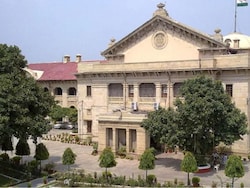
'Adultery Must Be Proved, Instagram Chats Not Enough': Allahabad High Court
The observation was made by Justice Jai Krishna Upadhyay who was dealing with a husband's petition challenging the grant of maintenance to his wife by the family court of Sambhal at Chandausi on October 1, 2025.
-
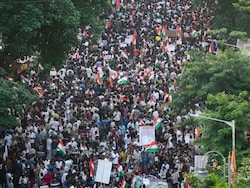
75-Year-Old Dies Of Heart Attack During CJP Protest At Mumbai's Shivaji Park
The Shivaji Park police station official identified the victim as Gopalakrishna Subbaiya Pillai, a resident of Dosti West County (B Wing) in neighbouring Thane.
-
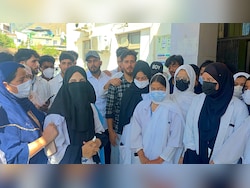
Burqa Row Triggers Nurses' Protest At Jammu Hospital, Panel Set Up For Probe
Head of the Gynaecology Department at Doda Medical College allegedly asked a nursing student to leave the labour room for wearing a veil
-
Pilgrims Caught In Hours-Long Traffic Jams On Way To Badrinath Dham
Amid the steadily increasing traffic pressure, police and administrative teams are working at several locations to regulate the movement of vehicles.
-
Woman Enters Bengal Secretariat Posing As PMO Official
As per the latest information available, the woman is currently under detention by Delhi Police, and the investigating officers from Howrah City Police are interrogating her.
-
"Historic Milestone": Amit Shah Praises Deportation Of Narco Kingpin Navpreet Singh From Turkey
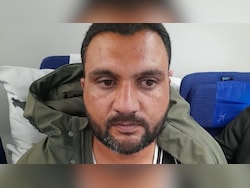
Home Minister Amit Shah took to social media 'X' and said, "Modi govt has achieved a historic milestone by securing the deportation of hardened narco-trafficking kingpin Navpreet Singh from Turkiye."
-
How Aradhana Misra Won Ajay Rai-Rajendra Pal Clash And Rose In UP Congress
There had been considerable speculation within Congress circles about Aradhana Misra's name. It was widely seen as a question of when, rather than if, she would get the post.
-
PoK Teen Detained For Crossing Line Of Control In J&K's Rajouri
Security agencies are now probing whether it was a genuine case of inadvertent crossing or if there was any ulterior motive involved behind the incident.
-
Analysis | Punjab Congress' New Captain. Can Pargat Singh Change The Game?
Can Pargat Singh score the winning goal, or will the faction-ridden Congress end up conceding one?
-
"Why Was Sahil Asked To Leave?" IIT Bombay Professor Questioned In Student Suicide
Investigators questioned the Professor about the alleged confrontation after Sahil was reportedly found using a phone during an examination, the conversation between the two, and any previous interaction
-
From Badals To Captain: How Pargat Singh's Dissent May Have Scored It For Him
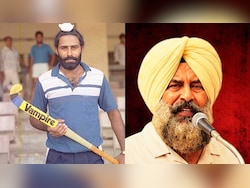
Hockey legend Pargat Singh's elevation as Punjab Congress president brings into focus a defining feature of his political journey - his willingness to challenge powerful leaders
-
24 National Unity Day Parade Personnel Test Positive For Dengue In Gujarat
Senior medical officers confirmed that dozens more remain under observation after presenting with fever, joint pain, and muscle aches over the last 48 hours.
-
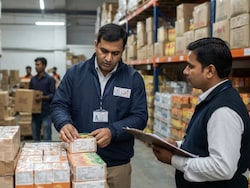
Food Inspections Surge 46%, But Safety Fears Persist Ahead Of Festivals
FSSAI has said that demand for sweets, milk, ghee, khoya and paneer rises during festivals, and this raises the economic motive to adulterate.