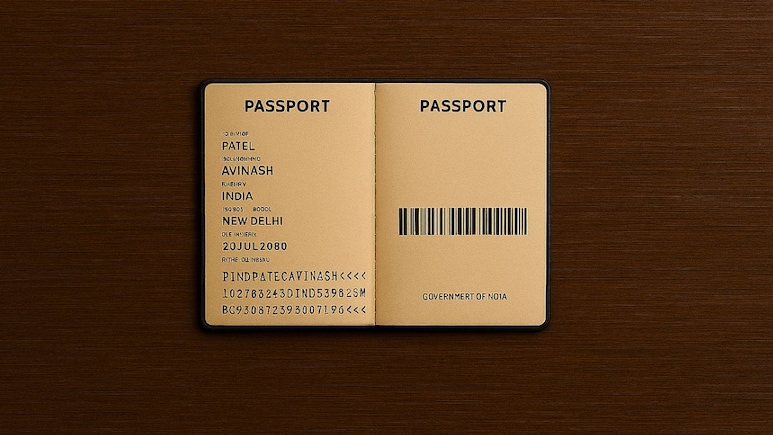
Most travellers focus on keeping their passport safe, tracking visa validity, and storing photocopies for backup. What often gets overlooked is the machine-readable barcode printed on the passport. It may not feature stamps or visas, but it contains standardised data used across airlines, immigration systems, embassies, insurers, and law enforcement agencies. In an era where travel disruptions, documentation checks, and digital verification are increasingly common, access to accurate passport data can make a meaningful difference. For Indian travellers in particular, where name formats and administrative processes can add complexity, a clear photo of the passport barcode serves as a practical reference in situations where precision matters.
Also Read: Why Do Airports Make You Remove Your Laptop? The Real Reasons Behind Security Checks
What Is The Passport Barcode And Why It Matters
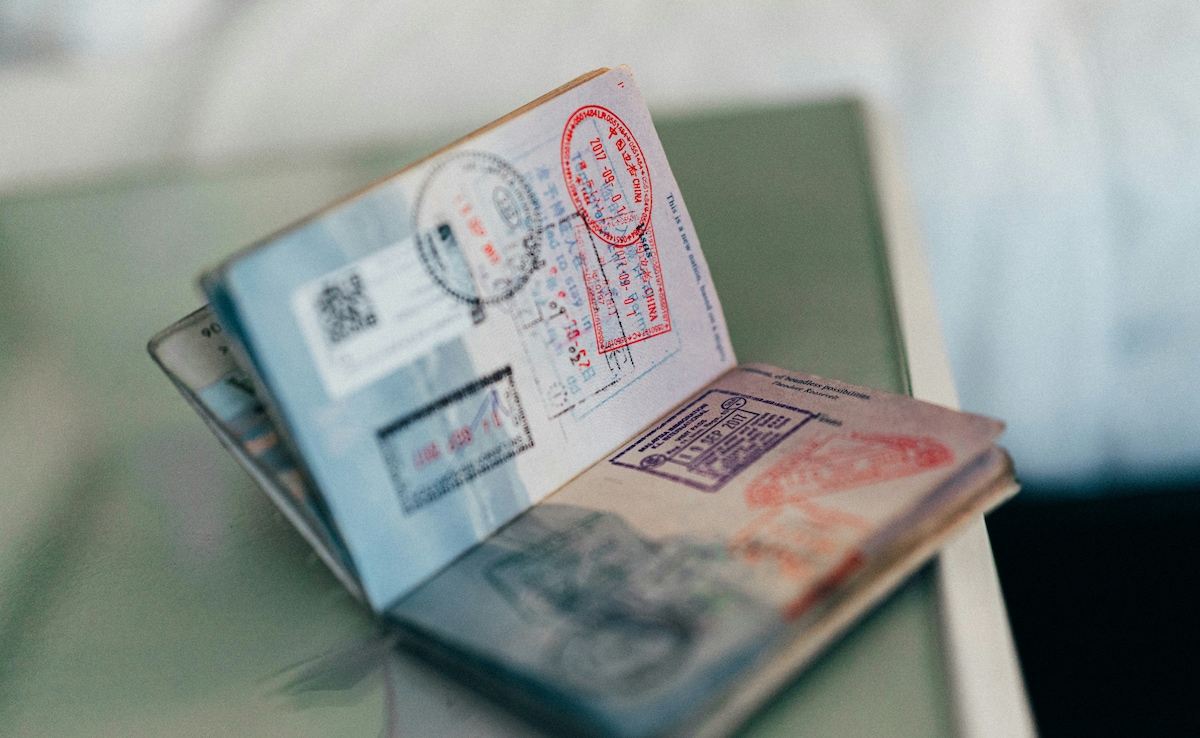
Photo: Unsplash
The barcode on an Indian passport is officially known as the Machine Readable Zone or MRZ. This section contains encrypted, standardised information designed to be read quickly by global systems, reducing manual entry errors and speeding up verification.
The barcode typically includes the passport number, full name, nationality, date of birth, passport expiry date, and issuing country code. While travellers are always required to carry the original passport, this data becomes especially important during documentation-heavy situations where accuracy is critical.
When Photographing Your Passport Barcode Is Genuinely Useful
1. Faster Issuance of Emergency Certificates At Indian Embassies
In the event of a lost passport abroad, Indian embassies require exact passport details before issuing an Emergency Certificate. This includes the passport number, date of issue, place of issue, and issuing authority. Any mismatch or approximation can delay the process. A clear photo of the passport barcode consolidates all core details in one place, reducing reliance on memory during a stressful situation. It allows embassy officials to verify information quickly and move forward with documentation without repeated clarifications.
2. Accurate Data During Foreign Police Reporting
Many countries require travellers to file a police report after losing a passport before approaching their embassy. These reports demand precise passport identifiers. Incorrect numbers or spelling errors can invalidate reports or require travellers to return for corrections. For Indian travellers navigating unfamiliar legal systems or language barriers, a barcode photo ensures accurate data entry and smoother reporting. It helps avoid administrative delays at a point when time and clarity are crucial.
3. Backup When The Original Passport Is Temporarily Deposited
There are situations where travellers may need to temporarily submit their passports for verification, visa formalities, hotel registration, or embassy-related processes. During this period, travellers are still required to provide passport details for insurance communication, onward travel arrangements, or airline coordination.
A barcode photo acts as a reliable reference until the original document is returned. It does not replace the passport, but it ensures access to essential information when the document itself is not immediately in hand.
4. Essential For Digital Travel Administration
Many modern travel processes are data-driven rather than document-led. Online check-ins, travel insurance claims, emergency assistance services, and airline back-end systems rely on exact passport details rather than scanned images.
Indian passport holders often face issues related to long names, multiple given names, or formatting differences between bookings and official documents. Referring to the barcode data helps ensure accuracy, reduces system mismatches, and prevents avoidable delays during digital verification.
How To Store The Barcode Photo Safely
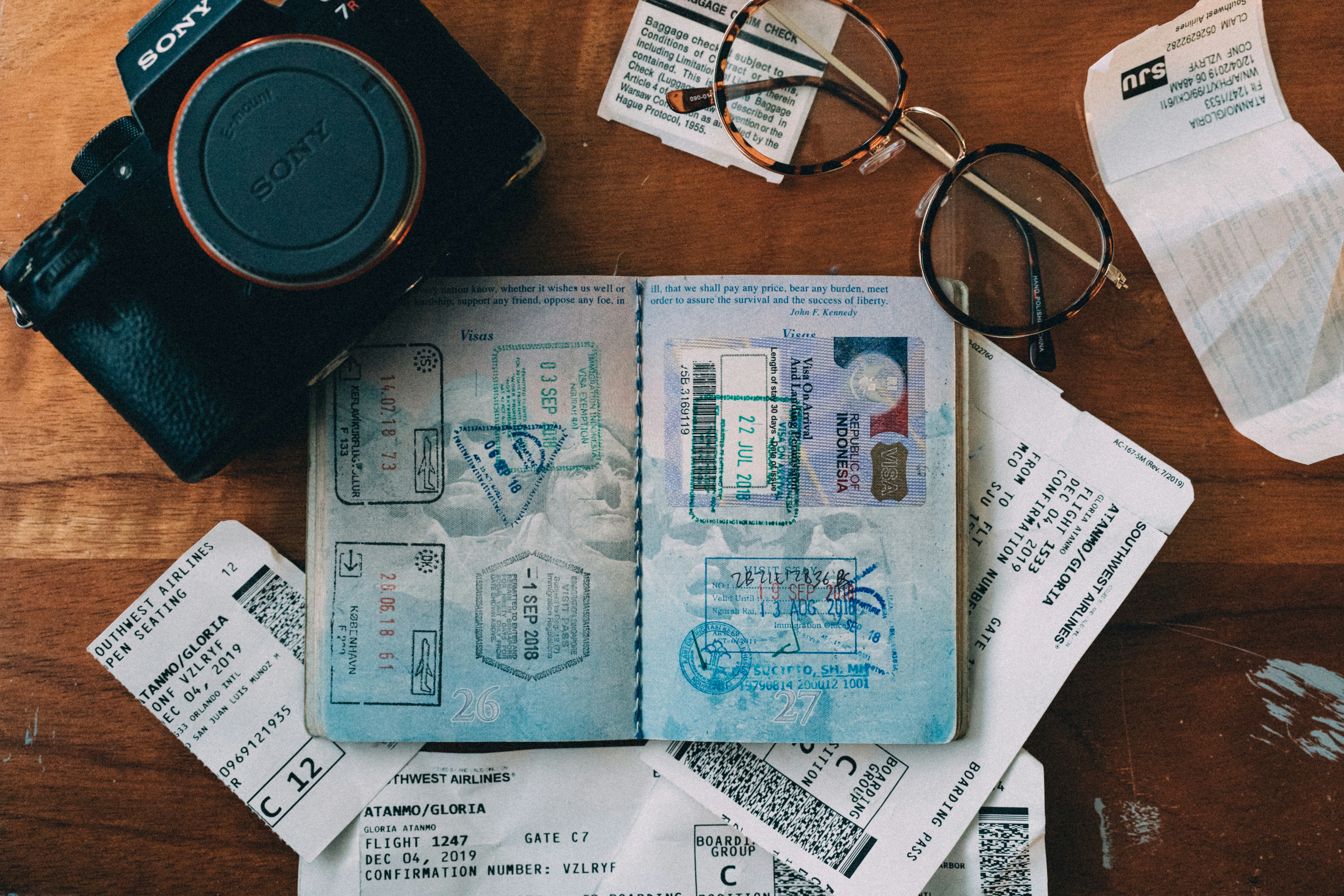
Here are some ways to store your barcode picture safely in your phone:
Use a Secure Folder or Notes App: Save the photo in a locked folder or a secure notes app on your phone to prevent unauthorized access.
Avoid Unsecured Sharing: Do not send the image through messaging apps or platforms that lack encryption unless absolutely necessary.
Backup in a Protected Cloud: Store a copy in a password-protected cloud service for easy retrieval if your device is lost or damaged.
Keep It Private: Never share the barcode photo publicly or upload it to unsecured apps or websites.
Also Read: Why You Should Carry A Tennis Ball In Your Carry-On While Travelling
So, the next time you are travelling by air, make sure to click a picture of your passport barcode and store it securely.
Track Latest News Live on NDTV.com and get news updates from India and around the world


