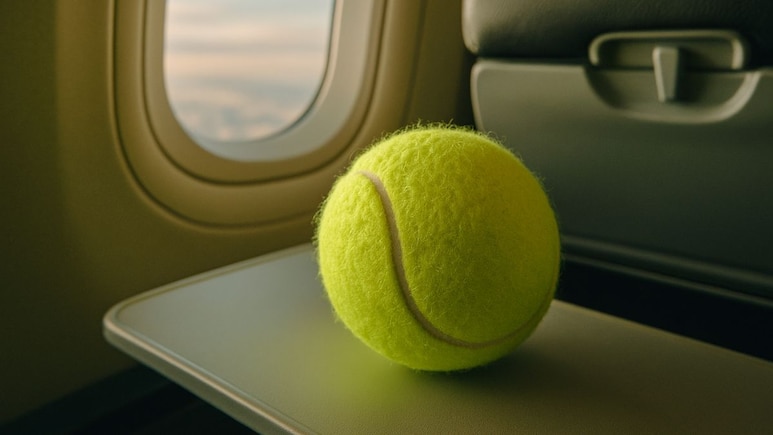
Long flights, overnight trains and road journeys often promise adventure at the destination but discomfort along the way. Cramped seats, limited legroom and hours of sitting still can leave travellers dealing with stiff backs, heavy legs and restless bodies, sometimes before the trip even begins. While neck pillows, eye masks and compression socks have become standard travel essentials, there's one surprisingly simple item that frequent travellers and experts quietly swear by. Small, lightweight and easy to pack, a tennis ball can offer much-needed relief without drawing attention or taking up space. According to a Delhi-based physiotherapist, Dr Akash Deep Sharma, MPT, Osteopath and Owner of Physiodent: Physiotherapy & Dental Studio, common travel aches usually stem from prolonged sitting and restricted movement, which is why simple mobility tools can make a noticeable difference during long journeys.
Also Read: Booking Non-Refundable Rooms? Avoid These 8 Expensive Mistakes
Why Long Journeys Take A Toll On The Body
Photo: Unsplash
When you sit for hours without moving, your muscles stay in one position and blood flow slows down. This makes joints stiff and puts extra pressure on your lower back and hips. Limited space means you can't stretch properly, so tension builds up in the neck, shoulders, and legs, leaving you sore and fatigued before you even arrive. This is where a small tennis ball can come to your rescue, as per professionals.
Here's How A Tennis Ball Can Help Make Your Long Journeys Smoother
1. Helps Ease Lower Back And Hip Discomfort Mid-Journey
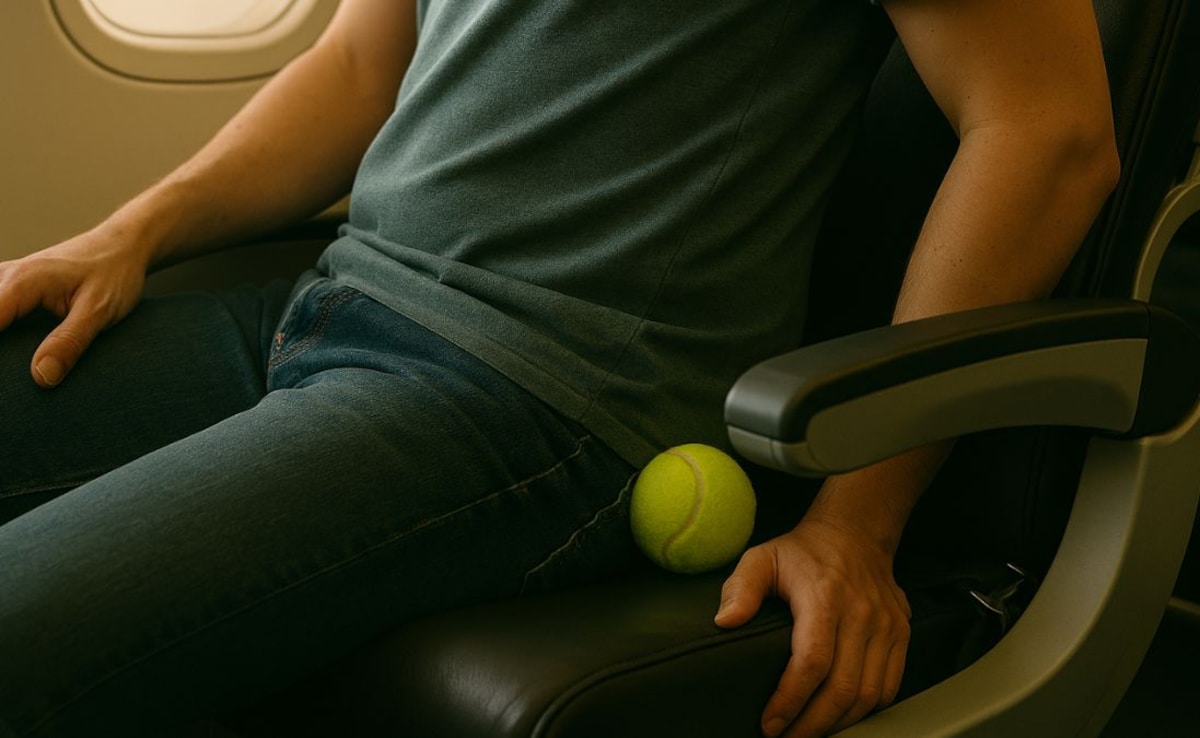
Lower back pain and hip stiffness are among the most common complaints during long flights and train journeys. A tennis ball works as a simple pressure tool that helps release tight muscles while seated. “During long journeys, people often experience lower back pain and discomfort around the hips due to prolonged sitting,” says Dr Akash Deep. “Placing a tennis ball under one hip and moving it in gentle circular motions for about a minute, then switching sides, can help reduce stiffness.”
Since the movement is controlled and requires minimal space, it's an easy way to stay comfortable without disturbing fellow passengers.
2. Relieves Neck And Upper Back Stiffness In Tight Seats
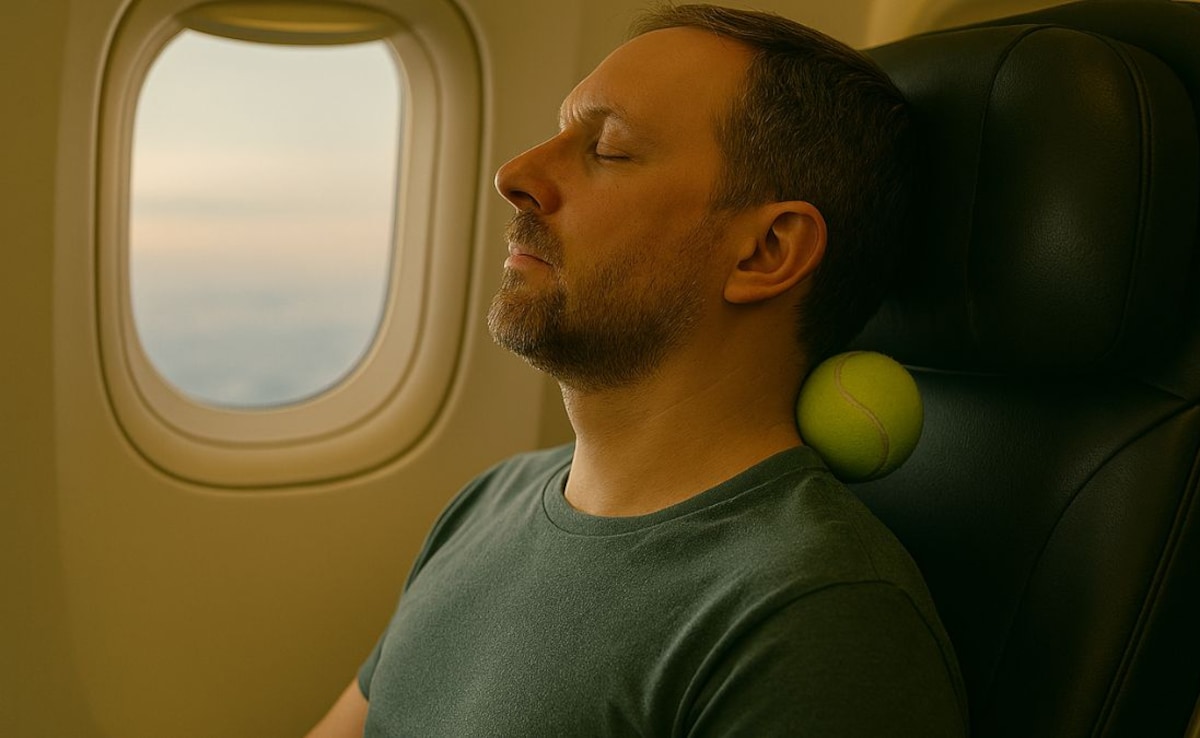
Neck and shoulder stiffness often creep in when posture remains unchanged for hours. Using a tennis ball against the upper back can help release built-up tension. “For neck and upper back stiffness, travellers can slightly recline their seat and place the tennis ball between their upper back and the seat,” explains the physiotherapist. “Slowly moving the body up and down or side to side can help ease tight muscles.” This technique is especially useful on long-haul flights where standing up frequently isn't always possible.
3. Keeps Feet And Legs From Feeling Heavy And Numb
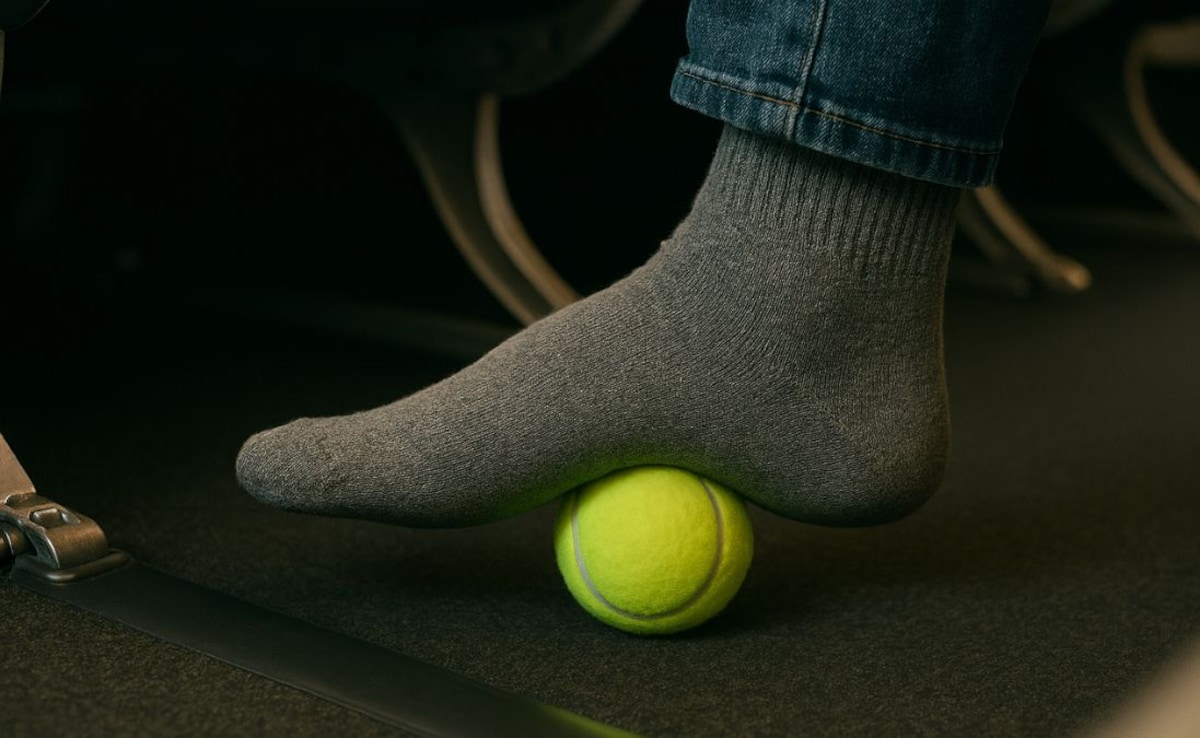
Feet and legs tend to feel stiff and heavy after hours of sitting still, particularly on long flights. Rolling a tennis ball under the foot encourages gentle movement and improves comfort. “Placing a tennis ball under the foot and rolling it forward, backward and in small circles with light pressure can help reduce foot stiffness and support better circulation,” says the expert. This can be done discreetly while seated and is especially helpful during long stretches between aisle walks.
4. Supports Better Circulation During Prolonged Sitting
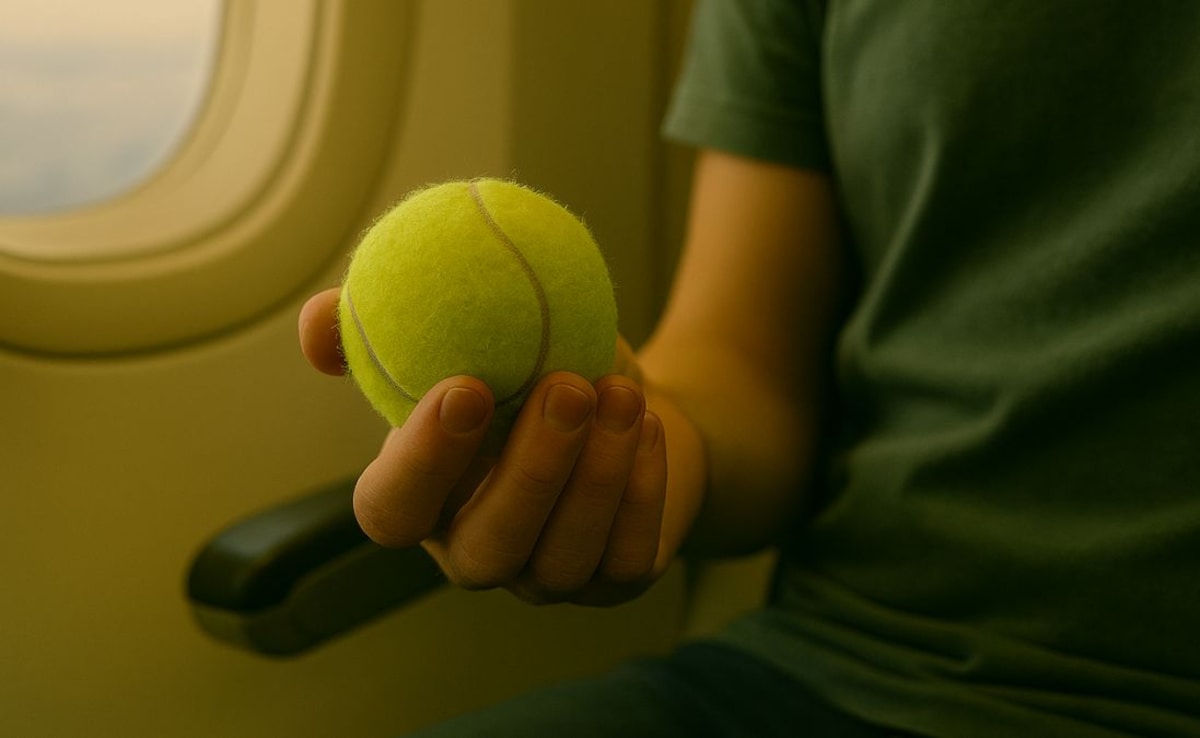
Limited movement during travel can affect circulation, leading to fatigue and discomfort. Gentle pressure from a tennis ball helps keep muscles active. “Rolling a tennis ball under the feet or against the back helps release muscle tension by loosening the tissue around it and promoting better blood flow,” explains the expert. Improved circulation can reduce the sluggish, tired feeling that often builds up during long journeys, making travellers feel more refreshed upon arrival.
5. Encourages Small Movements That Reduce Travel Fatigue
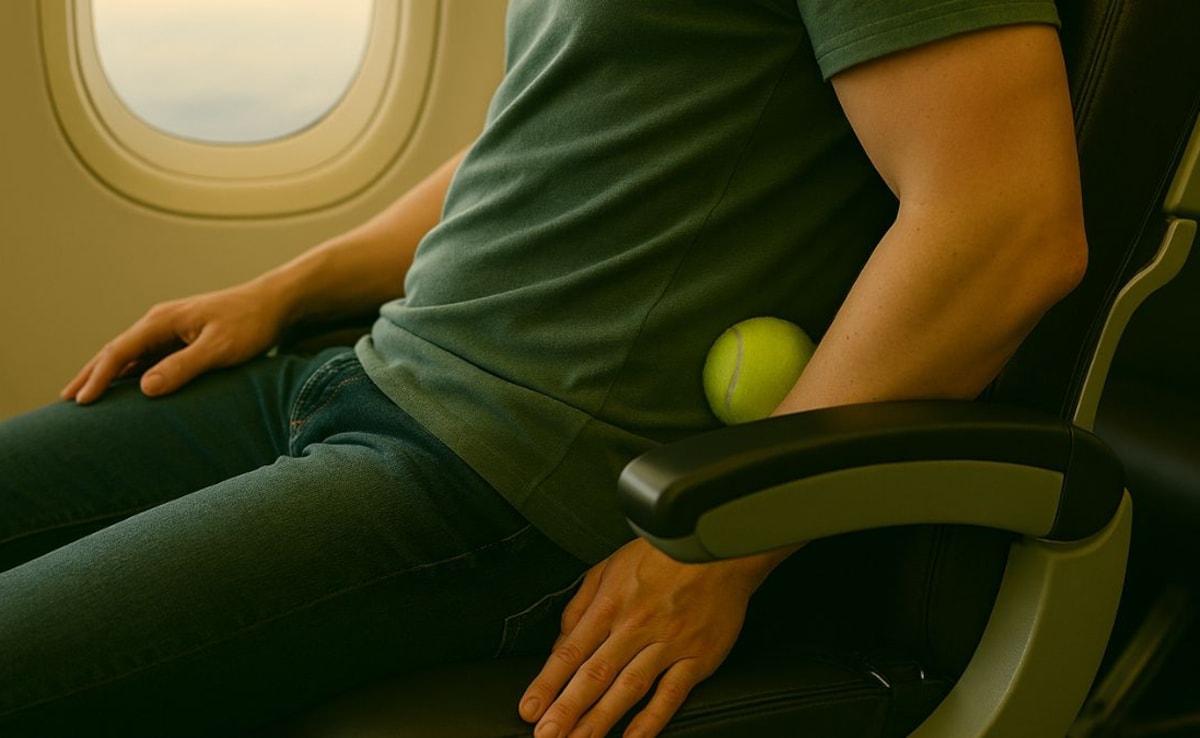
One of the biggest challenges of long journeys is staying still for too long. Using a tennis ball naturally encourages small posture changes. “This kind of gentle pressure can release sensitive muscle points and help reduce fatigue and restlessness during travel,” says the expert. However, they also stress that maximum relief comes from combining this with regular posture changes. “Changing position every 30 minutes and taking short walks whenever possible is important for overall comfort.”
Also Read: How To Decode Your Boarding Pass: What Every Term Really Means
How To Use A Tennis Ball Safely While Travelling

Photo: Pexels
As per Dr Sharma, using a tennis ball during long journeys can help relieve stiffness and improve circulation, but only if done correctly. Safety is key to avoid any aggravating pain or causing injury. Here's how to use it the right way:
- Apply Gentle Pressure: Avoid pressing too hard. The goal is to release tension, not create pain.
- Stay Away from Injured Areas: Never use the ball on recent injuries, inflamed joints, or sensitive spots.
- Keep Movements Slow and Controlled: Roll the ball in small, deliberate motions rather than quick or jerky movements.
- Stop if Discomfort Increases: Mild pressure should feel relieving, not painful. If pain worsens, discontinue immediately.
- Combine with Movement Breaks: Tennis ball exercises work best when paired with short walks or stretches every few hours.
Who Should Consider Carrying One
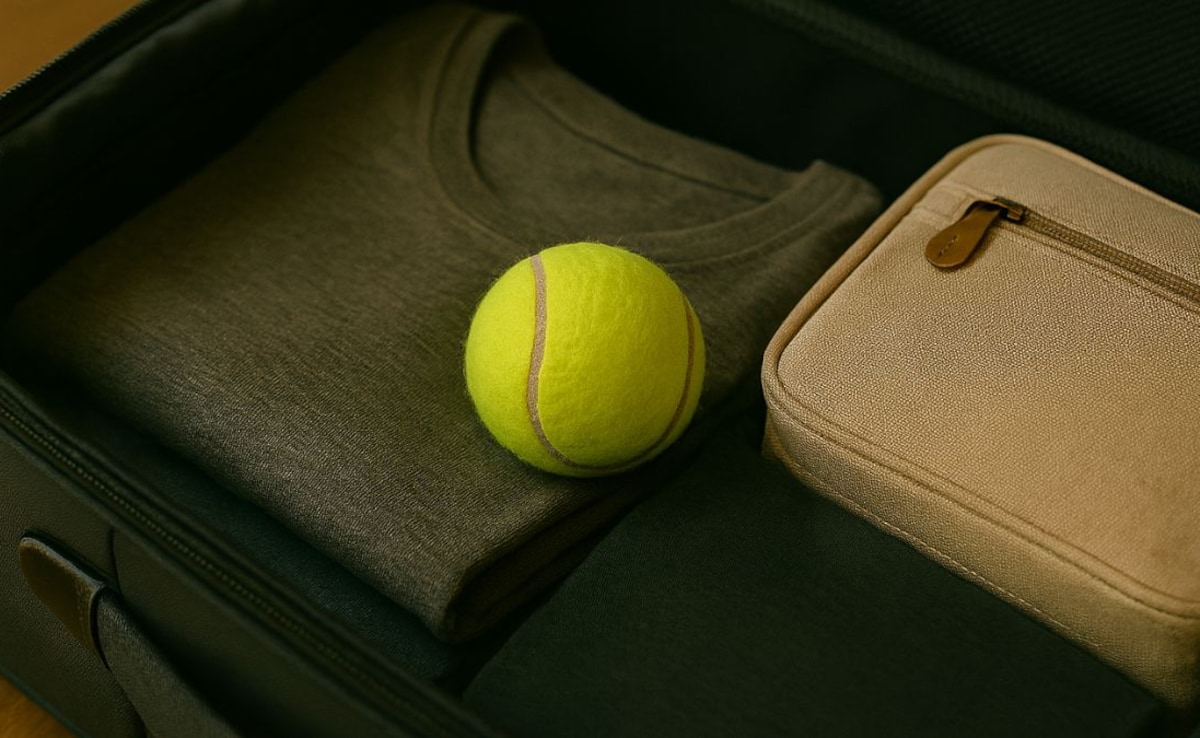
A tennis ball can be a game-changer for anyone who spends long hours sitting during travel. Frequent flyers dealing with cramped airline seats, passengers on overnight trains, and road-trippers stuck in one position for hours are all likely to benefit. It's especially useful for travellers who often experience stiffness in the lower back, hips, or legs, as well as those who want a simple, space-saving tool to stay comfortable on the go.
So, whenever you are travelling next, make sure to carry a tennis ball with you!
Track Latest News Live on NDTV.com and get news updates from India and around the world


