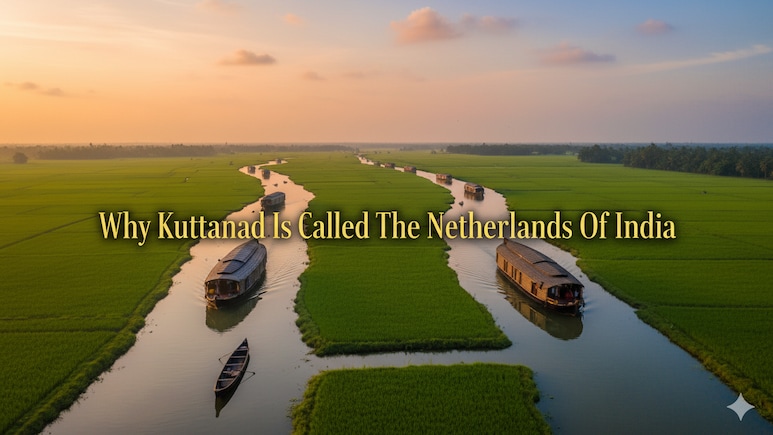
Kuttanad feels like one of those places that should not exist, but somehow does. In this part of Kerala, wide stretches of farmland sit below sea level. In some pockets, the land dips nearly three metres lower than the surrounding backwaters. By every rule of geography, these fields should be flooded and unusable. Instead, they grow rice. Every year. For centuries.
Spread across Alappuzha, Kottayam, and parts of Pathanamthitta, Kuttanad is often called the Netherlands of India, and this is one comparison that actually holds up. Like the Dutch, farmers here figured out how to live with water rather than fight it. They built embankments, canals, and clever water-control systems long before modern engineering entered the picture. Travelling through Kuttanad today feels less like visiting a destination and more like witnessing a quiet, everyday miracle.
What Makes Kuttanad Unique In India
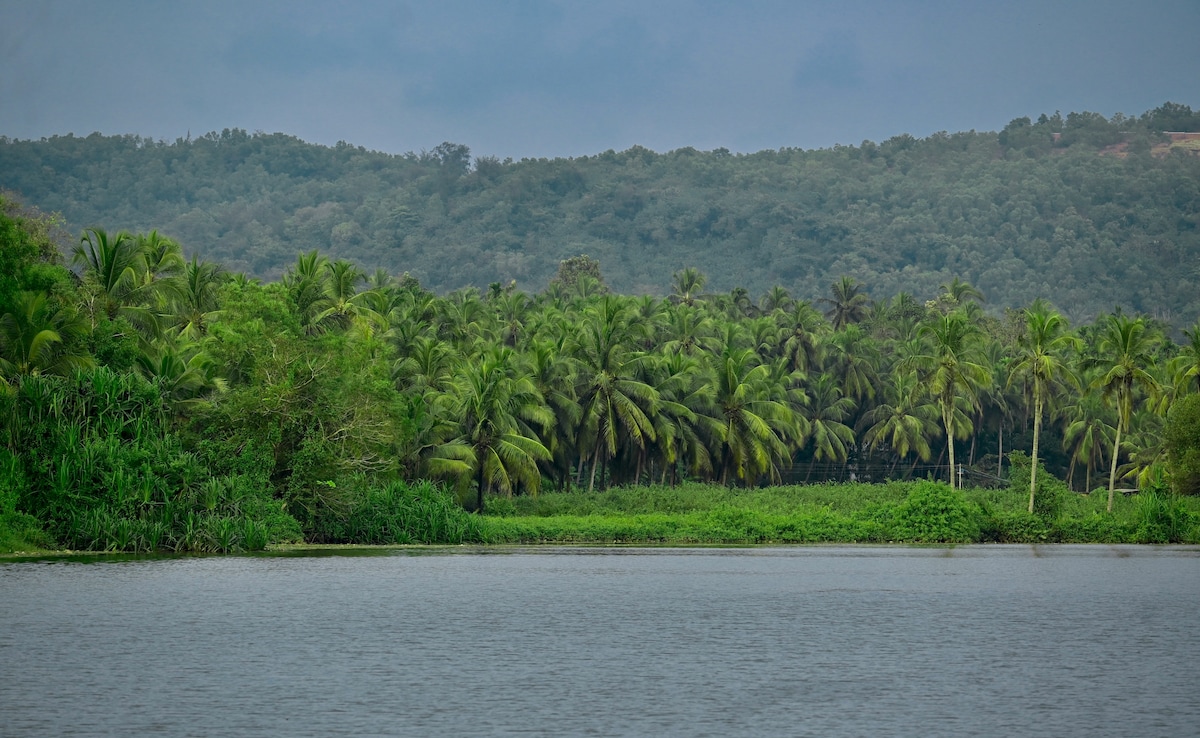
Kuttanad is the only place in India where large-scale rice farming happens below sea level. That alone makes it remarkable, but the details make it unforgettable.
- Farming below sea level
Parts of Kuttanad lie between 1.2 and 3 metres below mean sea level, placing it among a very small group of agricultural regions globally. - Padsekharams or reclaimed fields
Farmers create enclosed farmland by building earthen bunds around wetlands. These reclaimed plots, called padsekharams, function like islands protected from surrounding water. - Water that does everything
The canals here are not decorative. They irrigate fields, drain excess water, and double up as transport routes for people and produce. - A system still in use
This is not a heritage display. The same techniques are still used by farming families today, season after season.
Why Kuttanad Is Called The Netherlands Of India
The Netherlands is known for reclaiming land from water and farming below sea level using dikes, canals, and pumps. Kuttanad works on a similar idea, even though it developed independently.
- Water is managed, not blocked
- Embankments protect farmland from flooding and salinity
- Drainage and irrigation work together rather than separately
Stand in a Kuttanad rice field early in the morning, with mist rising and water reflecting the sky, and the comparison suddenly makes sense. The difference is that while Dutch engineering is world-famous, Kuttanad's brilliance has quietly stayed local, passed down through generations.
How Farming Below Sea Level Actually Works
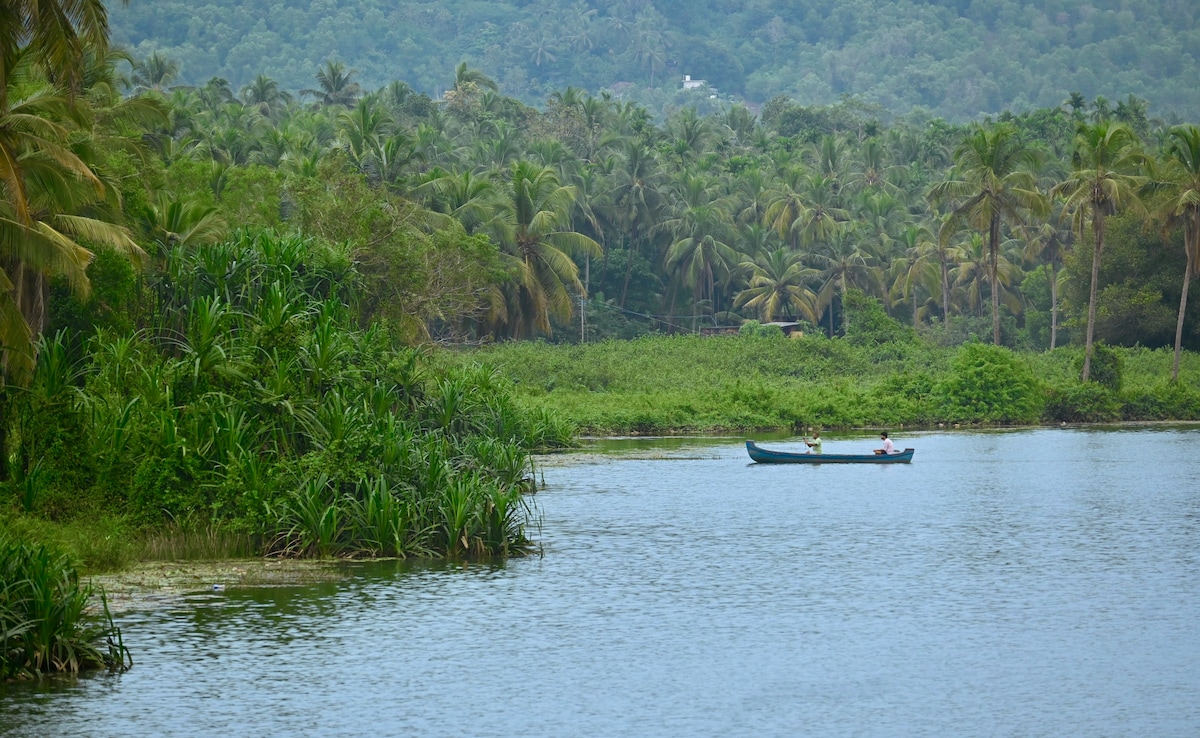
- Rice farming in Kuttanad follows the rhythm of water, not the calendar.
- Fields are drained before sowing
- Bunds are strengthened before the monsoon
- Water levels are monitored constantly
- Saltwater intrusion is carefully controlled
The rice grown here, especially the salt-tolerant Punja variety, is suited to these conditions. Nothing is rushed. Experience matters more than machinery, and timing is everything.
How To Reach Kuttanad
Despite its calm, rural feel, Kuttanad is easy to reach.
- By Air
Cochin International Airport is about 40 kilometres away. Alappuzha can be reached in roughly 1.5 hours by road. - By Train
Alappuzha railway station is well-connected to major cities across India. From here, local transport takes you straight into the heart of Kuttanad. - By Road
Driving along the Alappuzha–Changanassery road is an experience in itself, with uninterrupted views of paddy fields, canals, and village life.
The Best Way To Experience Kuttanad
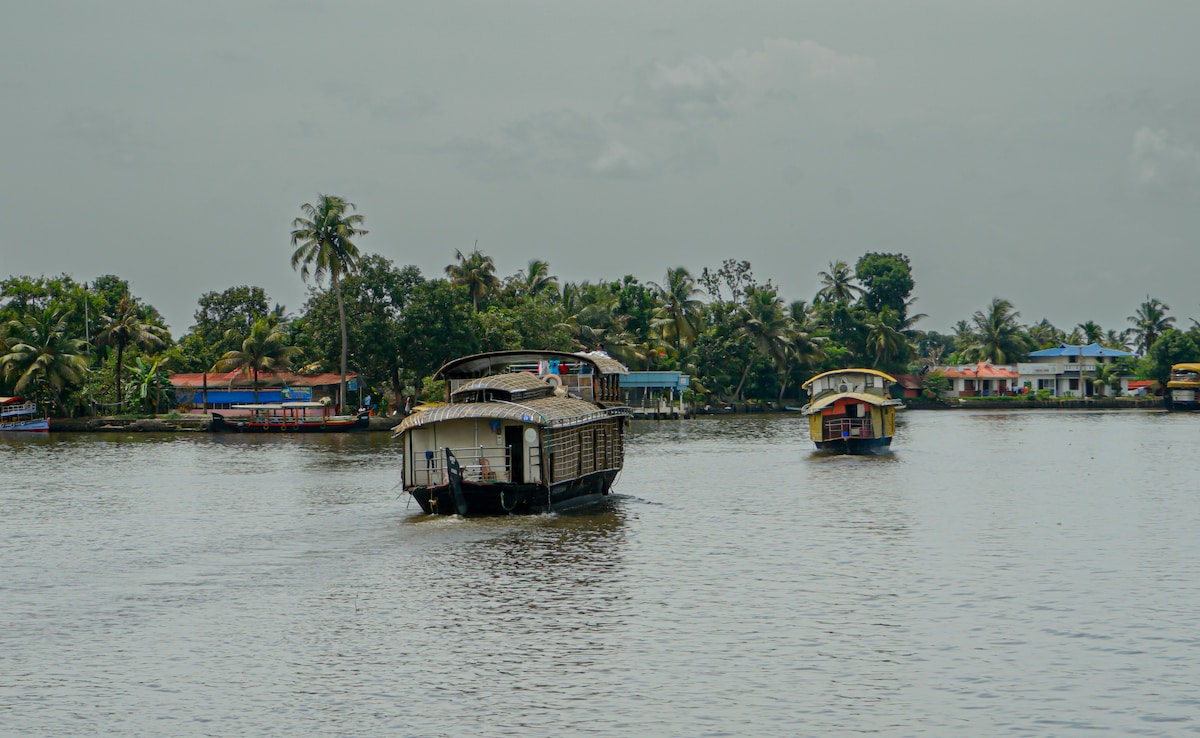
Kuttanad is best seen from the water.
Houseboat cruises
Traditional kettuvallams, turned into houseboats glide through canals and backwaters, passing rice fields, homes, and temples. Day cruises are common, but overnight stays give you a deeper feel of the place.
Canoe rides and small boats
Smaller boats take you closer to village lanes and farming activity, offering a more personal experience.
Homestays and farm stays
Staying with local families is one of the best ways to understand daily life, food habits, and farming cycles.
What To Do In Kuttanad
This is a destination for slowing down.
Visit R Block and nearby padsekharams
These reclaimed fields clearly show how below-sea-level farming works. During harvest season, you might even see farmers at work.
Watch traditional boat races
If you visit during race season, events like the Nehru Trophy Boat Race and Champakkulam Boat Race are unforgettable.
Explore temples and churches by boat
Many places of worship here are best reached by waterways and reflect centuries of history.
Photography and birdwatching
Wide skies, reflective waters, and migratory birds make Kuttanad a favourite for photographers.
What To Eat In Kuttanad
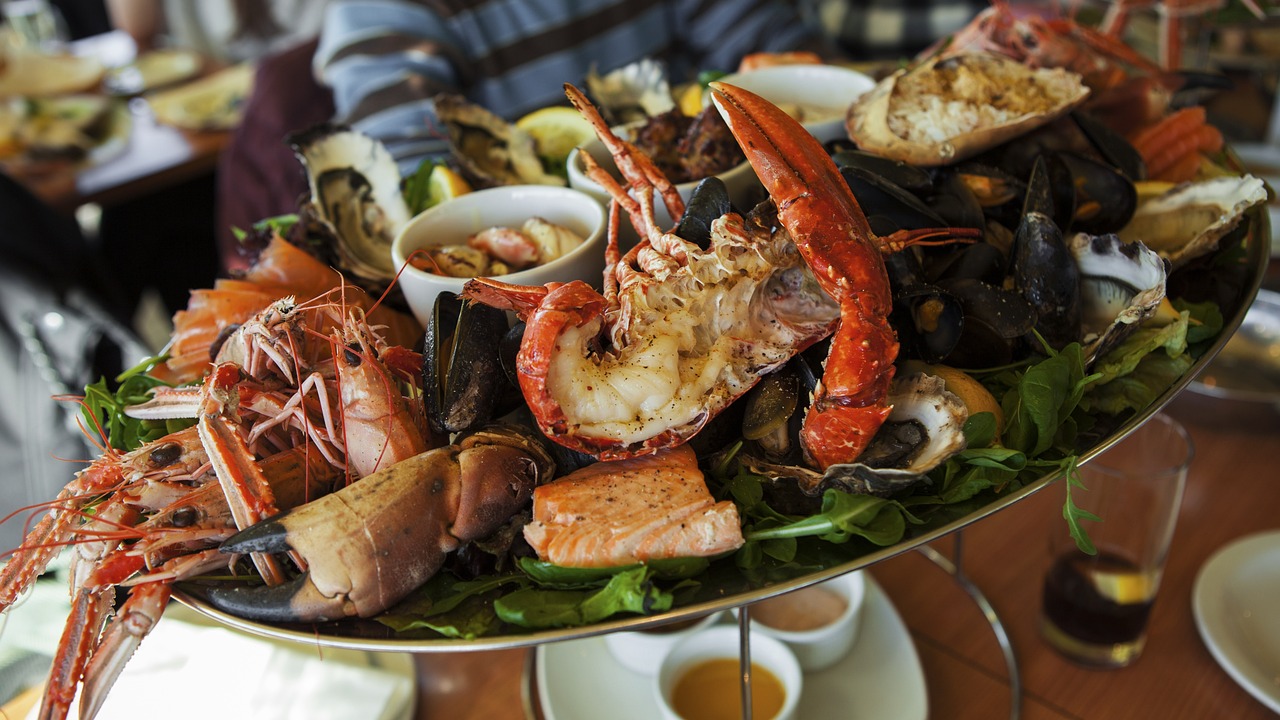
Food in Kuttanad feels honest and deeply connected to the land and water.
- Fresh backwater fish curry cooked in coconut gravy
- Soft appams paired with light stews or fish
- Kappa served with spicy fish or prawns
- Freshwater prawns cooked mild or fiery
- Locally tapped toddy
- Punja rice, the region's salt-tolerant rice variety
Most meals are cooked with ingredients sourced the same morning, and you can taste the difference.
Why Kuttanad Matters Beyond Tourism
Kuttanad is not just beautiful. It is important.
A lesson in climate resilience
As rising sea levels threaten farming worldwide, Kuttanad's methods are drawing global attention.
A vital wetland ecosystem
Part of a Ramsar-listed wetland, the region supports birds, fish, and plant life found nowhere else.
Living cultural knowledge
Farming techniques, food traditions, and water management systems are still actively practised.
A working model of sustainability
High productivity here challenges the idea that traditional methods cannot be efficient.
Kuttanad does not try to impress. It simply carries on. People here learned long ago how to live with water instead of fighting it, and that wisdom still shapes daily life. Calling it the Netherlands of India helps explain it, but it does not fully capture the story.
Kuttanad is its own answer to an impossible challenge, shaped by patience, observation, and community. To drift through its canals, watch farmers work in fields below sea level, and eat food grown just metres away is to understand why this place matters so much. It is not just a destination. It is proof that human adaptability, when done quietly and thoughtfully, can be extraordinary.
Track Latest News Live on NDTV.com and get news updates from India and around the world


