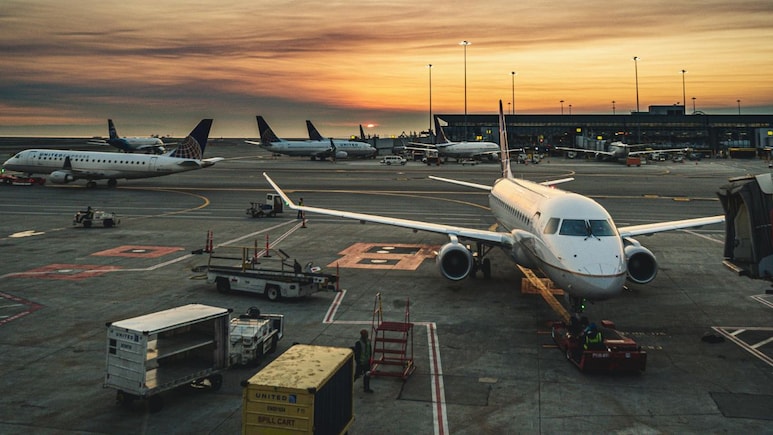
Every aircraft you see taking off has a story of service and also of what happens when it finally retires. In 2024, over a thousand new aircraft were delivered by giants like Airbus and Boeing, according to Simple Flying. But only about half of those actually added to airline fleets. The rest were replacing older aircraft that had reached the end of their journey. So, why do aircraft retire? And what happens after?
Why Do Aircraft Retire?
When you imagine aircraft getting retired, you might think it's because they get “too old.” But that's only partly true. Most passenger aircraft fly for about 25–30 years, while cargo planes can fly for 30–40 years. But airlines don't just look at age. They question if the aircraft is still worth flying. If the answer is no, it's time to retire it.
Also Read: Does Your Boarding Pass Have 'RR' Stamped On It? What It Actually Means
The Factors That Lead To The Decision
Running an aircraft is expensive. The costs of fuel, crew, maintenance, and airport fees all add up. If the money spent is more than what the aircraft earns, it simply doesn't make sense to keep it flying anymore.
- As aircraft age, they need more frequent and deeper checks. Over time, the metal body experiences stress from constant take-offs, landings, and cabin pressurisation. Fixing these issues can cost more than the aircraft itself.
- Modern aircraft like the Boeing 787 Dreamliner or Airbus A350 burn less fuel and are cheaper to operate. For airlines, switching to these newer models means saving huge amounts of money in the long run.
- Today's travellers expect quieter cabins, better seats, more legroom, and advanced entertainment systems. Older aircraft often can't match up.
- Airlines constantly modernise their fleets. So even if a plane is still flying fine, it may be replaced by a newer, better one.
What Happens When A Plane Finally Retires?
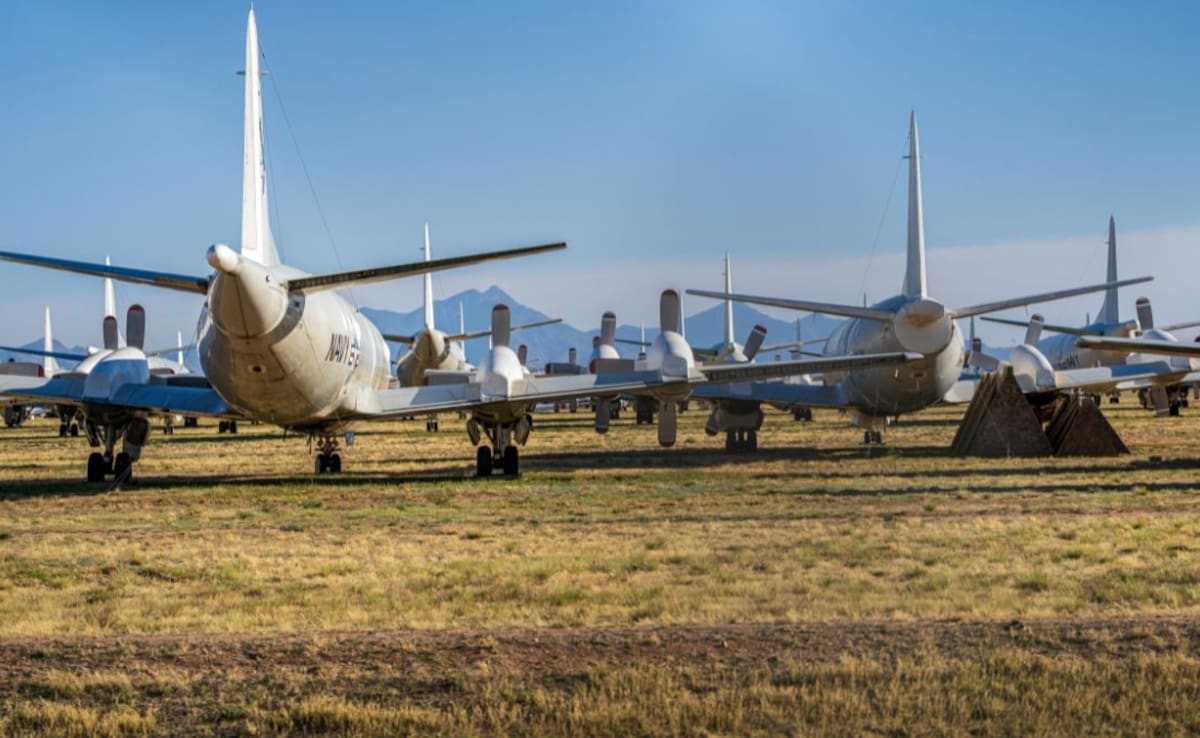
Photo: Pexels
Retirement isn't always the end of an aircraft's story. Most aircraft take one final flight to a storage facility, often called a “boneyard.” Contrary to what the name suggests, these places are far from graveyards.
Here, the first step is removing high-value components like engines, landing gear, and avionics so that they can be reused in other aircraft. Many passenger aircraft also get a second life carrying goods instead of people. Some retired aircraft, which are still perfectly usable, are sold or leased to smaller airlines around the world and continue flying. In case an aircraft can no longer be used, it is dismantled. Fortunately, over 90% of it can be recycled, especially metals like aluminium and titanium.
Also Read: What Is A Water Salute? The Age-Old Airport Tradition That Celebrates Flight Milestones
The Most Iconic Second Lives Of Aircraft
Now comes the fun part! Some aircraft don't go the usual way and go on to live truly unforgettable second lives.
- One of the coolest examples was Jumbo Stay, a real Boeing 747 converted into a hotel. Sadly, it was closed in 2025.
- Around the world and even in India, retired planes have been turned into themed restaurants and cafes.
- A special experience for aviation enthusiasts in India, the TU-142M Aircraft Museum lets visitors walk through a real military aircraft and experience aviation history up close.
- Some aircraft also become part of the show business, featuring in films, documentaries, and airshows.
Honestly, an aircraft doesn't just retire; it evolves. It may stop carrying passengers across cities and continents, but it continues to serve in different ways, sometimes as a cargo carrier and sometimes as a hotel room.
Track Latest News Live on NDTV.com and get news updates from India and around the world


