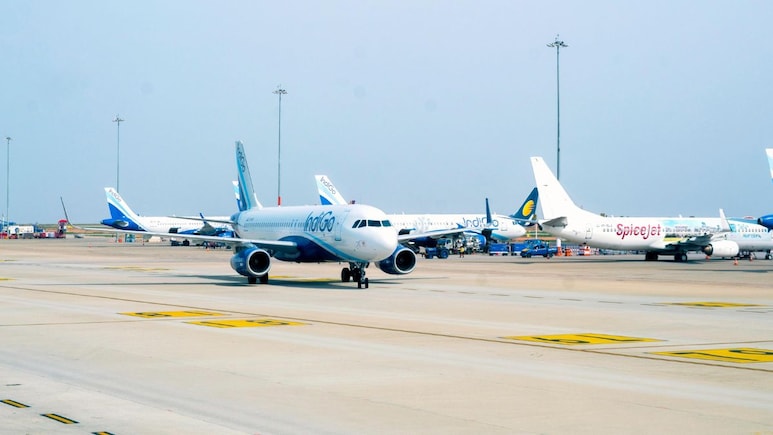
- Government limits domestic ATF price hike to 25% from April 1, 2026, easing fare rise
- Closure of Strait of Hormuz caused expected 100% fuel price surge globally
- International flights will bear full ATF price increase, affecting ticket costs
In a major relief for travellers across India, the government has stepped in just in time to prevent what could have been a huge spike in domestic airfares. With global fuel prices under pressure and fears of a sharp increase in aviation fuel, this move is being seen as both timely and strategic.
New ATF Prices From April 1, 2026
The Aviation Turbine Fuel (ATF) price was expected to shoot up by more than 100% from April 1, 2026. A major global disruption caused by the closure of the Strait of Hormuz, one of the world's most important oil supply routes, has sent energy markets into uncertainty, pushing fuel prices up worldwide. Now, the Indian government has decided not to pass on the full increase to domestic airlines. Instead, the airlines will only face a 25% increase (about ₹15 per litre). This increase will be partial and gradual. However, international routes will still pay the full price.
Ministry of Petroleum and Natural Gas's statement:
ATF prices in India were deregulated in 2001 and are revised on monthly basis based on a formula of international benchmarks. Due to the closure of Strait of Hormuz and extraordinary situation in global energy markets, price of ATF for domestic markets was expected to increase by…
— Ministry of Petroleum and Natural Gas #MoPNG (@PetroleumMin) April 1, 2026
In a post on X (formerly Twitter), Union Civil Aviation Minister Ram Mohan Naidu Kinjarapu described the move as practical and forward-thinking, especially during such a volatile global situation.
Also Read: Premium Petrol Price Rises To Rs 160 Per Litre, Jet Fuel Hiked By 8.5%
How Airlines Are Reacting:
We would like to thank the Hon'ble Prime Minster for such a significant step for all of us. We would also like to convey our heartfelt appreciation to the Ministry of Civil Aviation and the Ministry of Petroleum and Natural Gas as this marks a meaningful way forward, enabling… https://t.co/sn59l8WB7o
— IndiGo (@IndiGo6E) April 1, 2026
From policymakers to airlines, everyone is aligned with this decision, which helps keep things stable. IndiGo said, "This marks a meaningful way forward, enabling greater stability for airlines and allowing us to pass on the benefits through more accessible and affordable travel for our customers.” Ajay Singh, Chairman and Managing Director, SpiceJet, also called it a big relief for the aviation industry, marking this as a ‘timely intervention' to help airlines overcome the current global crisis.
What Does This Mean For Travellers?
With the new ATF prices in place, travellers flying within India will benefit the most. Without this intervention, ticket prices could have jumped sharply. But now, fares are likely to remain stable or rise only slightly. Travel for summer holidays, weddings, and work trips remains affordable. So your usual routes, like Delhi to Mumbai or Bengaluru to Goa, should not see shocking price jumps.
Also Read: Nashik Kumbh Mela: Heli-Tourism Circuit Planned To Help With Pilgrim Rush
However, if you're flying internationally, things are bound to change. Since international flights are not protected by this cap, airlines will pay full global fuel prices, leading to a noticeable change in ticket prices. Long-haul flights to Europe, Australia, and more destinations will become more expensive, and shorter international routes like Dubai and Singapore may also see a rise.
This is one of those rare policy decisions that directly impacts your travel budget. If you have been planning a domestic trip, things are stable for now. But if your international flight tickets haven't been booked already, this hike in ATF prices could impact your pockets significantly.
Track Latest News Live on NDTV.com and get news updates from India and around the world


