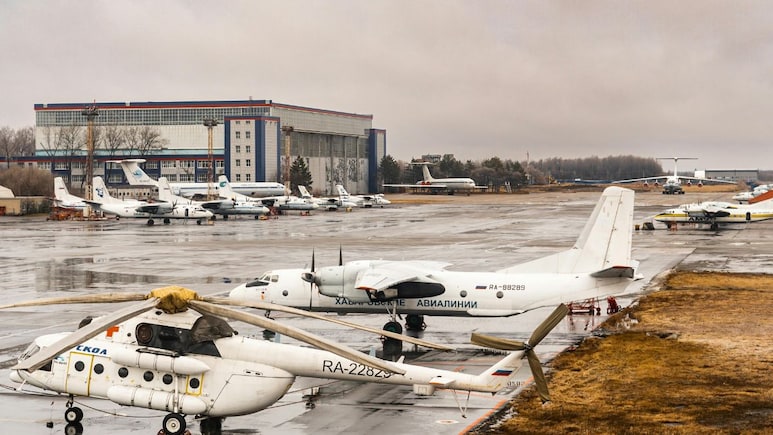
- Aircraft boneyards store retired planes for parts, repair, or future use in dry desert locations
- Deserts slow rust and damage, preserving planes for years or even decades with minimal maintenance
- Planes in boneyards are sealed and maintained to protect engines and systems for possible reuse
Imagine this: you're flying over a vast desert, and suddenly you see rows and rows of airplanes, parked neatly like cars in a giant lot. Except they're not going anywhere. Welcome to aircraft boneyards, one of the most fascinating (and surprisingly important) parts of the aviation world.
So, What Are Aircraft Boneyards?
Aircraft boneyards, also called aircraft graveyards, are special places where planes go when they are retired from active service. The name suggests otherwise, but they're not just “graveyards.” These planes aren't simply abandoned. Instead, they are carefully stored, maintained, taken apart for parts, or sometimes brought back to life. A boneyard is a mix between a parking lot, a repair shop, and a recycling centre, all rolled into one.
Also Read: Why Do Aeroplanes Retire, And What Happens To Them After They Stop Flying?
Most aircraft boneyards are in dry, sandy places, and that's not a random coincidence. Places like Davis-Monthan Air Force Base are ideal because dry air slows the progression of rust and damage. The tough ground can support heavy planes without sinking, and very little rain means less maintenance stress. Basically, deserts help preserve planes for years, sometimes even decades. Storing and preserving them in humid places will bring a different set of challenges.
What Happens When A Plane Reaches A Boneyard?
Once a plane lands here, its journey isn't over. It's actually just the start of a new stage. Not all planes are permanently retired. Many are stored safely in case they're needed again. They are sealed to protect engines and fuel systems. They are also covered with special coatings to reflect sunlight and checked occasionally to keep them in good condition.
Some planes in the boneyard are carefully taken apart, and their useful parts, like engines, electronics, landing gear, and even tiny wiring components, are removed. These parts are reused in other aircraft still flying. When a plane has truly reached the end of its life, it is dismantled completely. The materials, especially metals, are recycled and reused.
Can Planes Really Fly Again After Sitting There?
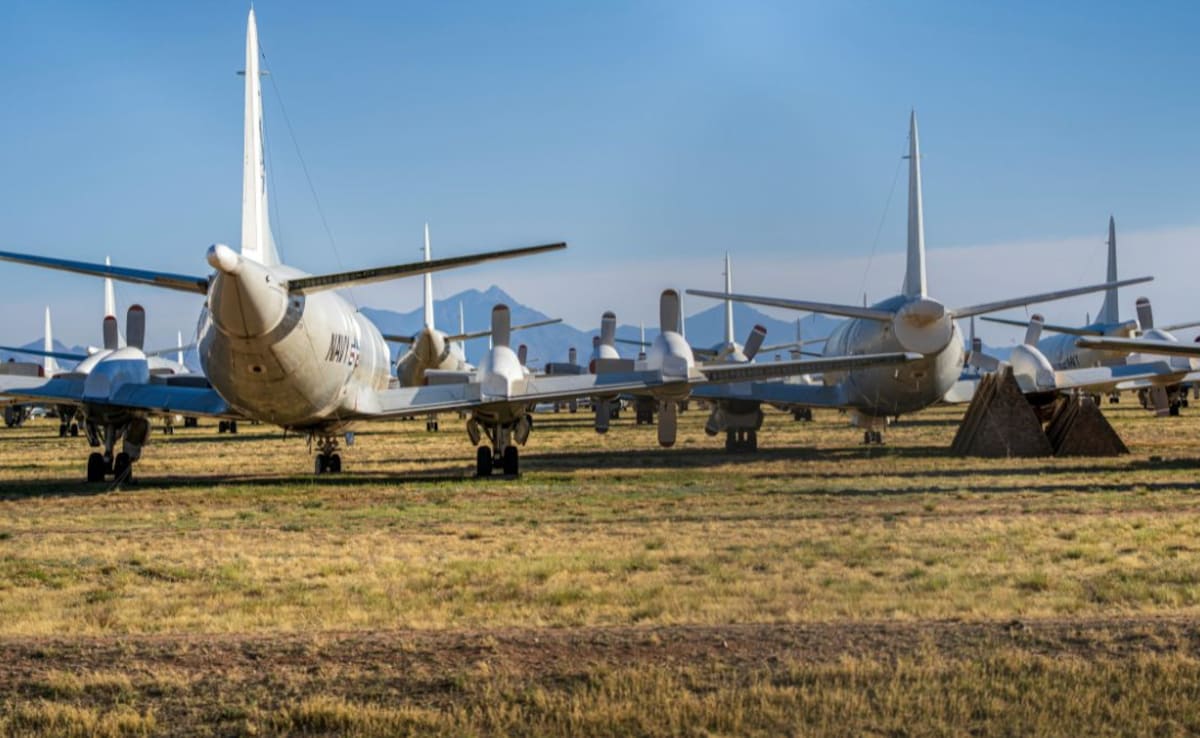
Photo: Pexels
Yes, and this is one of the coolest things about boneyards. Planes that have been sitting for years can sometimes return to service. But it's not easy. Before flying again, they need new electronics and systems, safety upgrades, fresh paint, and repairs. Even then, it can take many hours of work to revive them.
Aircraft boneyards might sound like the final stop, but they're really much more than that.
Also Read: Water Fight To Temples Visit, Why Indians Feel At Home In Thailand During Songkran
They are storage spaces for future use, repair hubs for restoring aircraft, spare parts banks for the aviation industry, and recycling centres for massive machines.
Somewhere in a desert, a retired plane may be waiting to fly again, helping another plane or becoming something new.
Track Latest News Live on NDTV.com and get news updates from India and around the world


