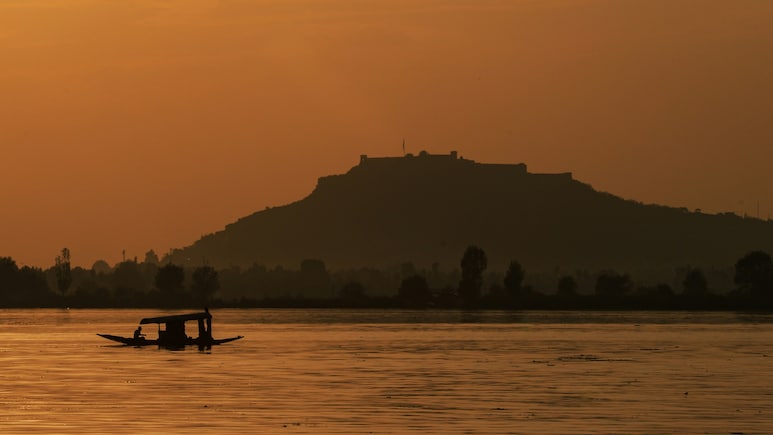
India has no shortage of places with dramatic names. Land of the Rising Sun, Abode of the Gods, City of Joy. Most of them are earned. But few feel as immediately and obviously true as the one given to the Kashmir Valley: the Valley of Lakes. Stand almost anywhere in the valley on a clear morning and you will see why. There is water everywhere, not just rivers cutting through mountains but actual lakes, dozens of them, ranging from the grand and famous to the small and tucked-away, from the kind you can see from a shikara to the kind you can only reach after three days on foot through high-altitude meadows. Kashmir earned this name, and this guide is your way in.
Also Read: From Tokyo Basements To Bali Beach Clubs, Asia's Best Nightlife And Music Cities
Why Kashmir Is Called The Valley Of Lakes
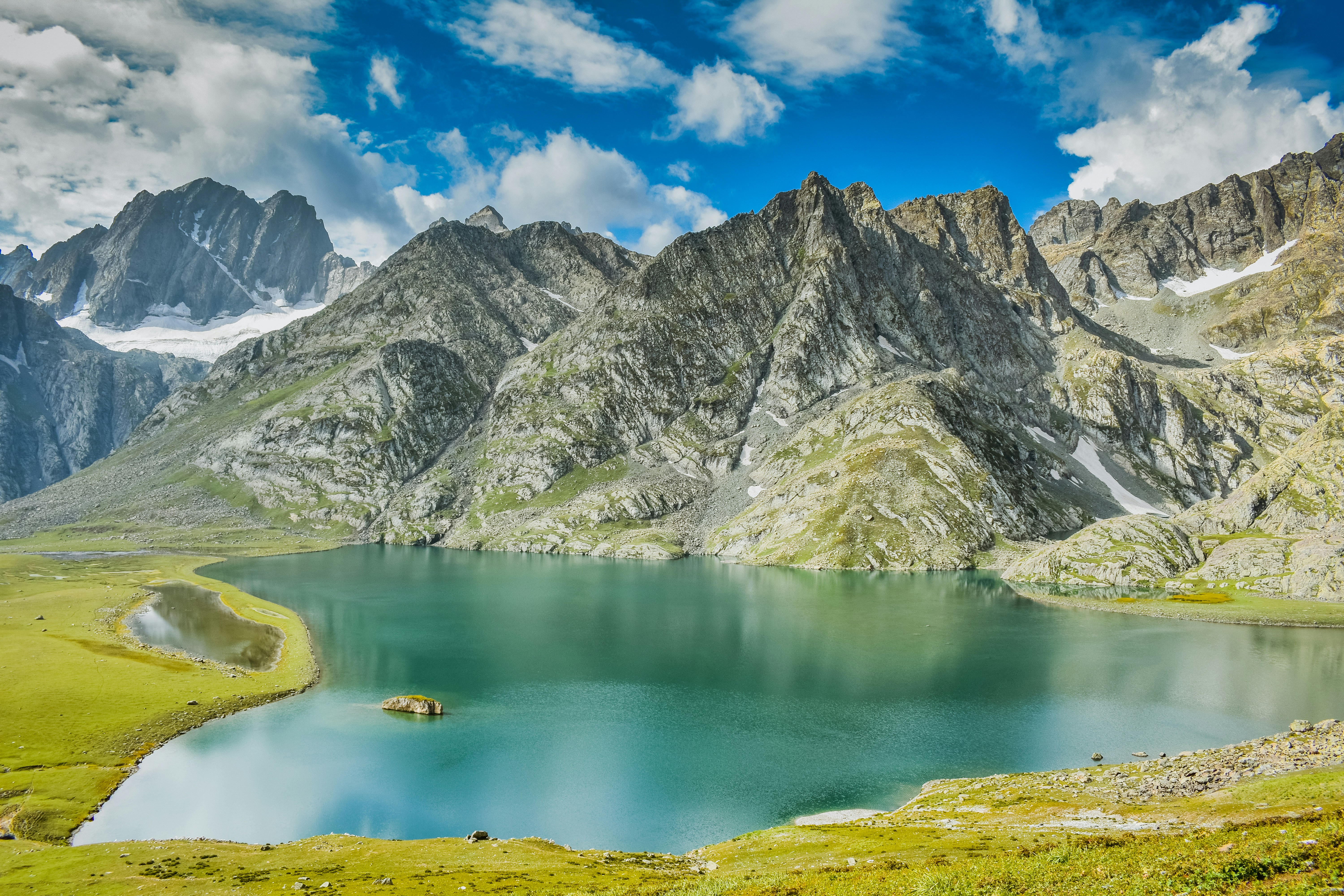
Photo Credit: Unsplash
Kashmir Valley, nestled in the northern Himalayas of India, is celebrated as the Valley of Lakes. This name is inspired by the valley's abundant freshwater lakes, which are scattered across its landscape, formed through glacial activity, natural basins, and mountain hydrology.
The valley's unique geography explains why so many lakes exist here. The Kashmir Valley is a large mountainous basin, enclosed on all sides by high Himalayan ranges. This structure means that snowmelt, glacial runoff, and rainfall collect within the valley rather than draining away quickly, sustaining a network of freshwater ecosystems at various altitudes. Some lakes sit at around 1,500 metres above sea level, embedded in the valley floor and surrounded by gardens and houseboats. Others sit above 12,000 feet, cradled in glacial cirques between snow-covered ridges, accessible only by trekkers willing to cross high mountain passes.
The result is a landscape that genuinely revolves around water. Traditional settlements, floating gardens, shikara rides, and the entire livelihood of thousands of Kashmiri families are built around these lakes. They are not incidental to Kashmir. They are Kashmir.
The Lakes Of Kashmir: A Detailed Guide
Dal Lake, Srinagar
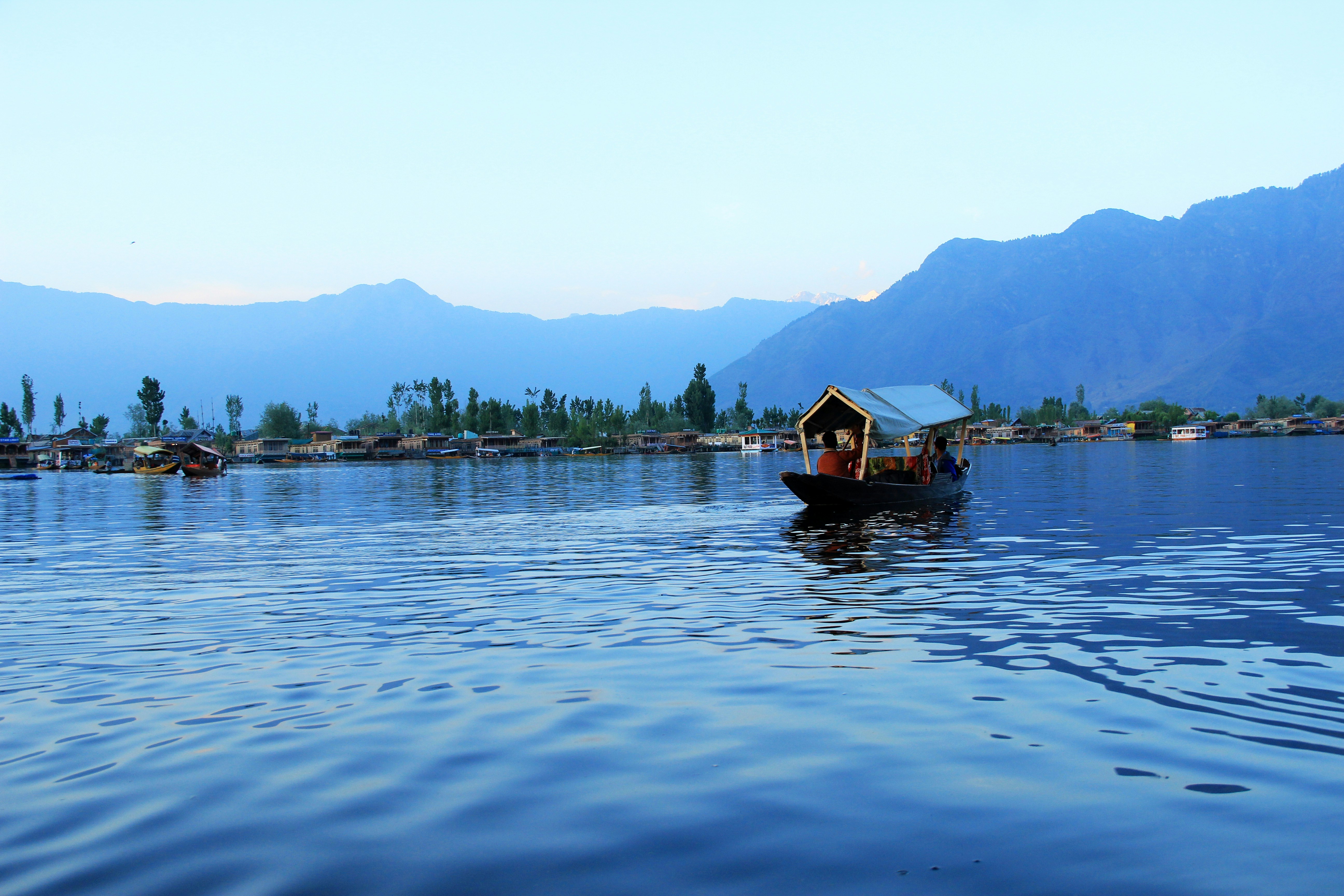
Dal Lake, the most famous lake in Kashmir, is a must-visit for its breathtaking views and vibrant life. Spanning about 18 square kilometres in Srinagar, it is both a natural landmark and a bustling community. The Zabarwan Hills and snow-capped peaks provide a stunning backdrop, but it's the lake's lively atmosphere that truly captivates. Over a thousand intricately carved houseboats serve as hotels, while floating vegetable markets, post offices, and gardens add to the unique charm.
Entire neighbourhoods thrive on the water, creating a dynamic environment. A shikara ride offers the quintessential experience, gliding through serene channels lined with willow trees and lotus gardens, as vendors sell flowers and snacks. The best time to visit is from April to October, with each season offering its own beauty: spring blooms, summer lotus flowers, and autumn's amber hills.
Nagin Lake, Srinagar
Nagin is Dal's quieter, smaller neighbour, connected to it by a narrow channel. Because it does not have the same volume of tourist traffic and houseboat accommodation as Dal, Nagin has retained a more serene character. The water tends to be cleaner and calmer, and the surrounding landscape is less built-up.
Nagin is popular with travellers who want the houseboat experience without the bustle of Dal's main stretches. Watersports are also available here, including kayaking and canoeing, and the lake is ringed with poplar and chinar trees that make it particularly beautiful in autumn.
Wular Lake, Bandipora
About 50 kilometres northwest of Srinagar, in the Bandipora district, lies Wular Lake, Kashmir's largest lake and India's largest freshwater lake, covering around 200 square kilometres. Formed by tectonic activity, it is a remnant of the ancient Satisar Lake and is fed by the Jhelum River at an altitude of 1,580 metres, near the Haramuk Mountain. Declared a Wetland of International Importance under the Ramsar Convention, Wular is crucial for the region's ecology and economy, contributing 60 percent of the Kashmir Valley's fish production and supporting thousands of fishing families.
It hosts rich biodiversity, including the Himalayan monal and migratory birds. The lake also acts as a natural flood basin, absorbing excess water from the Jhelum. Additionally, Wular features Zaina Lank, a small artificial island built by medieval ruler Zainul-Abidin, adding historical interest to this natural wonder.
Manasbal Lake, Ganderbal
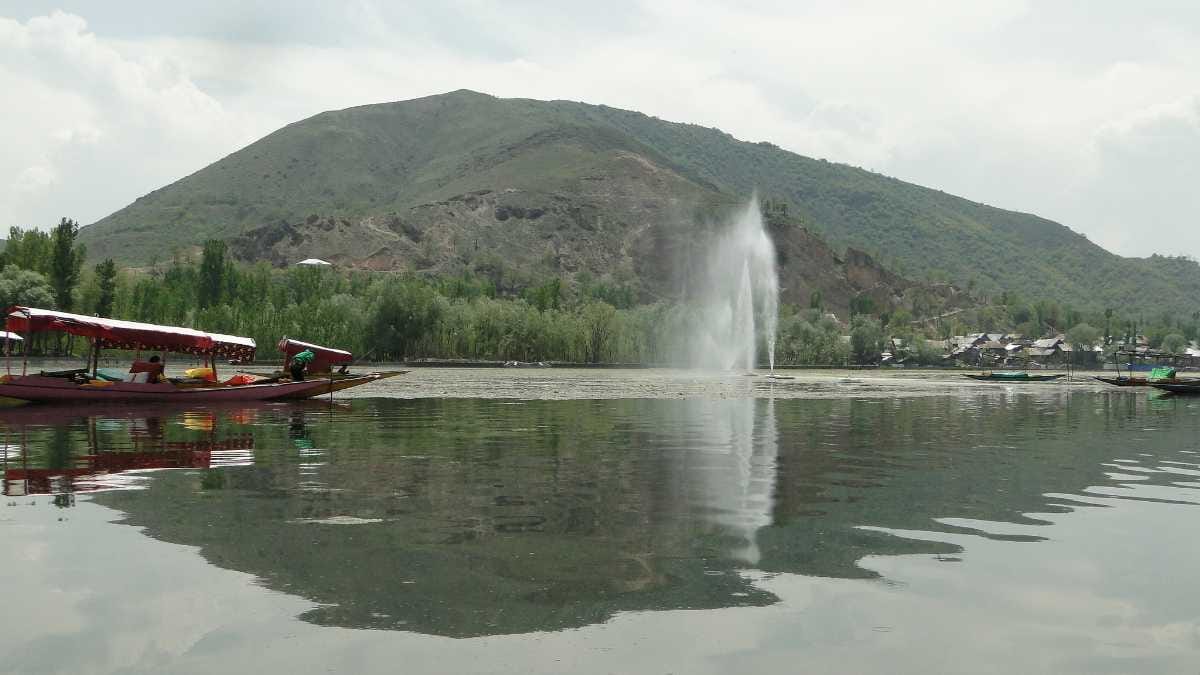
Often called the deepest lake in Kashmir, Manasbal sits about 30 kilometres north of Srinagar in the Ganderbal district. It is one of the least visited and most pristine of the valley's accessible lakes, which makes it worth going out of your way for.
Manasbal is famous for its spectacular lotus blooms in summer. Between June and August, the entire lake surface turns into a carpet of pink and white lotus flowers, and the surrounding reed beds attract a large variety of migratory and resident water birds. Birdwatchers come specifically for Manasbal during the winter migration season. The lake is also known for its clear water and, on a calm day, reflects the sky and surrounding mountains with striking clarity.
There is a small Mughal-era garden on its banks, Jaroka Bagh, which adds some historical texture to a visit. The lake is best reached by road from Srinagar and can be combined with a stop at Wular for a full day's trip.
Also Read: Bundi vs Bikaner: Two Cities, Two Different Charms
The Great Lakes Of Kashmir: For The Trekkers
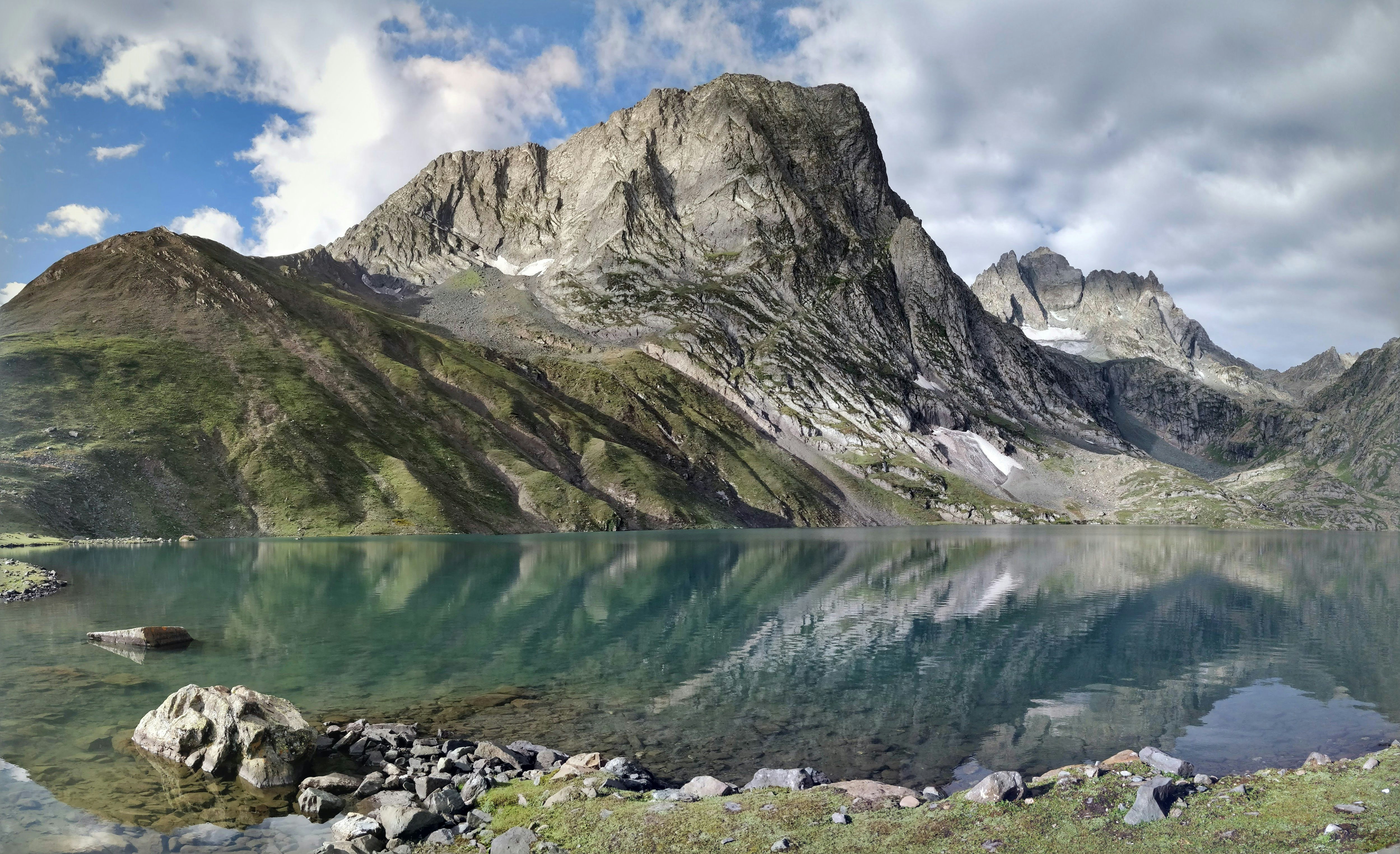
Beyond the accessible, roadside lakes of the valley lies a circuit of high-altitude lakes that has become one of India's most celebrated trekking routes. The Seven Great Lakes of Kashmir are Vishansar, Krishnasar, Gadsar, Satsar, Gangabal, Nundkol, and Tarsar. These are alpine lakes sitting at altitudes between 11,500 and 13,000 feet, set in glacial cirques amid snow-covered ridges, and connected by a multi-day trek that is widely considered among the most visually stunning walks in the entire Himalayan region.
The trek begins at Sonamarg, a meadow town about 80 kilometres east of Srinagar, and covers approximately 70 kilometres over six days, climbing through dense forests, alpine meadows, and high mountain passes to reach a series of lakes.
Vishansar and Krishnasar are twin lakes at around 12,000 feet, renowned for their crystal-clear water and dramatic reflections of surrounding peaks.
Gadsar, more remote and accessible via the Gadsar Pass at 13,750 feet, is famous for its brilliant blue water and wildflower meadows.
Satsar is a cluster of smaller lakes on a high plateau, with Gangabal being the largest and most sacred, considered holy by Kashmiri Hindus, and Nundkol offering views of Harmukh peak.
Tarsar, a teardrop-shaped lake at the foot of a glacial bowl, is perhaps the most photographed, and the trek concludes in Naranag, where a vehicle can take you back to Srinagar.
The best time to plan for the Great Lakes trek is June to September. Snow covers the passes before June, and by October the weather turns harsh. July and August bring wildflowers to the meadows, which dramatically improves the experience.
How To Get To Kashmir
Getting to Kashmir is straightforward. The fastest way is to fly into Srinagar International Airport, which has direct flights from Delhi, Mumbai, Bangalore, and Chandigarh. The flight from Delhi takes about an hour and a quarter. Taxis and cabs are readily available at the airport for onward travel to hotels, houseboats, or Sonamarg.
If you prefer to travel by surface, the nearest railway station is Jammu Tawi, about 270 kilometres from Srinagar. From Jammu, you can take a cab or JKSRTC bus along the Jammu-Srinagar National Highway, a drive of roughly 7 to 8 hours through some spectacular mountain scenery via the Jawahar Tunnel and the Banihal Pass. The road is subject to closures due to weather and should be confirmed before travel.
When To Go And What To Pack
The best time to visit Kashmir's lakes is from late spring to early autumn, May to October. May and June offer green hillsides and pleasant temperatures in Srinagar. July and August are warmer, with peak lotus blooms on Dal and Manasbal lakes. The Great Lakes trek is feasible from June to September. September and October are favoured for fewer crowds, autumn colours, and exceptional light. Days remain warm, but evenings cool, requiring layering. Even in summer, Srinagar evenings can drop to 10-12°C, and higher altitudes can be below zero. For trekking, pack waterproof shoes, a down jacket, sunscreen, and a hat. Be cautious of altitude sickness above 12,000 feet by ascending gradually and staying hydrated.
Also Read: Why Bengaluru Turns Pink Every Spring With Exotic Flowers Brought By The British
The Valley Of Lakes
Kashmir's identity is inseparable from its water. The valley's lakes are not just geographical features on a map; they are the places where the valley's history happened, where its culture developed, where its food grows and its people earn their living. Dal Lake gave the world the houseboat hotel and the floating market. Wular has fed the valley for centuries and swallowed the Jhelum's floodwaters so that Srinagar would not drown. The Great Lakes, invisible from the highway and unreachable without effort, reward the people who find them with scenery that has no equivalent in this country. Plan for the lakes, build your itinerary around them, and Kashmir will make complete sense.
Track Latest News Live on NDTV.com and get news updates from India and around the world


