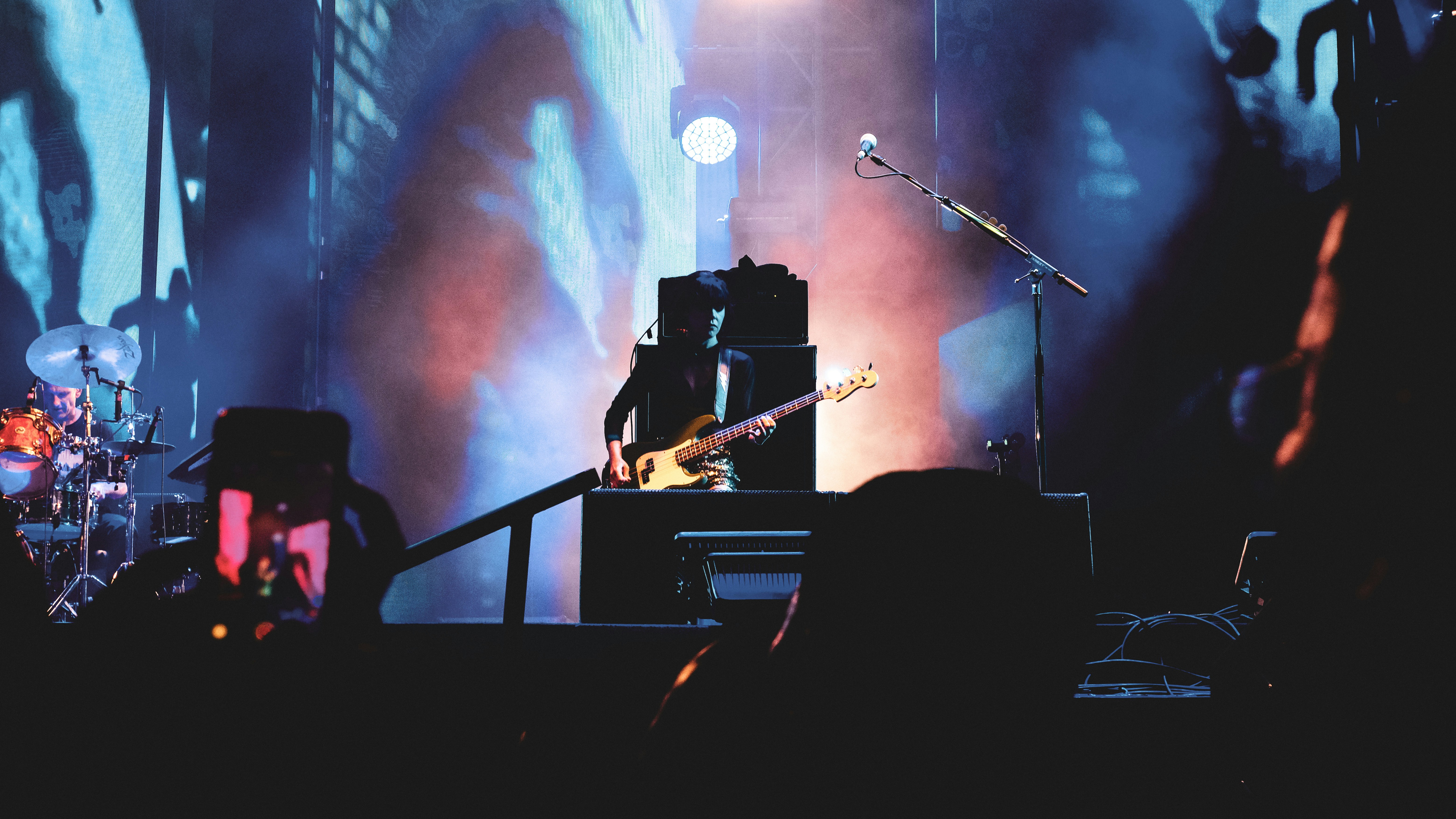
There is a version of Asia that most people plan for: the temples, the street food, the beaches, the sunsets. And then there is the version that starts at midnight. Asia's music and clubbing scene is one of the most underrated travel experiences on the planet, and it has been quietly evolving into something genuinely world-class. Tokyo's underground electronic scene runs until the first morning trains. Seoul's Hongdae neighbourhood does not sleep. Bangkok throws parties that start before dinner and end the following afternoon. And Bali's beach clubs have become a destination in their own right, drawing DJ talent from Berlin and Ibiza and keeping the dance floor going until the tide comes in. If you have been travelling in Asia for the food and the history and leaving before the music starts, you have been missing half the story.
Also Read: Best Holi Getaways In India 2026: Where To Celebrate The Festival Of Colours This Year
Why Asia's Music Scene Is Having Its Moment
The numbers tell part of the story. Asia is no longer just a consumer of global music: it is actively producing it, exporting it, and building the infrastructure to sustain a homegrown industry that is growing faster than anywhere else in the world. South Korea's cultural exports hit $13.6 billion in 2024, with music alone contributing $1.85 billion, a 51.5 percent increase from the previous year. Japan's live entertainment sector is valued at approximately $2.8 billion. India is the world's fastest-growing music streaming market, expected to reach $570 million in digital music revenues by 2027.
But statistics only get you so far. What is actually happening on the ground, in the clubs and beach parties and back-room venues across the continent, is something that feels less like an industry report and more like a cultural revolution. Electronic music in particular has found some of its most passionate audiences in Asia. The genre has taken root in cities that are also among the most exciting urban environments in the world: dense, fast, aesthetically sophisticated, and full of young people with a genuine appetite for new experiences. If Ibiza and Berlin defined what the clubbing world looked like in the 1990s and 2000s, Asia is defining what it looks like now.
Tokyo: The Underground That Never Sleeps
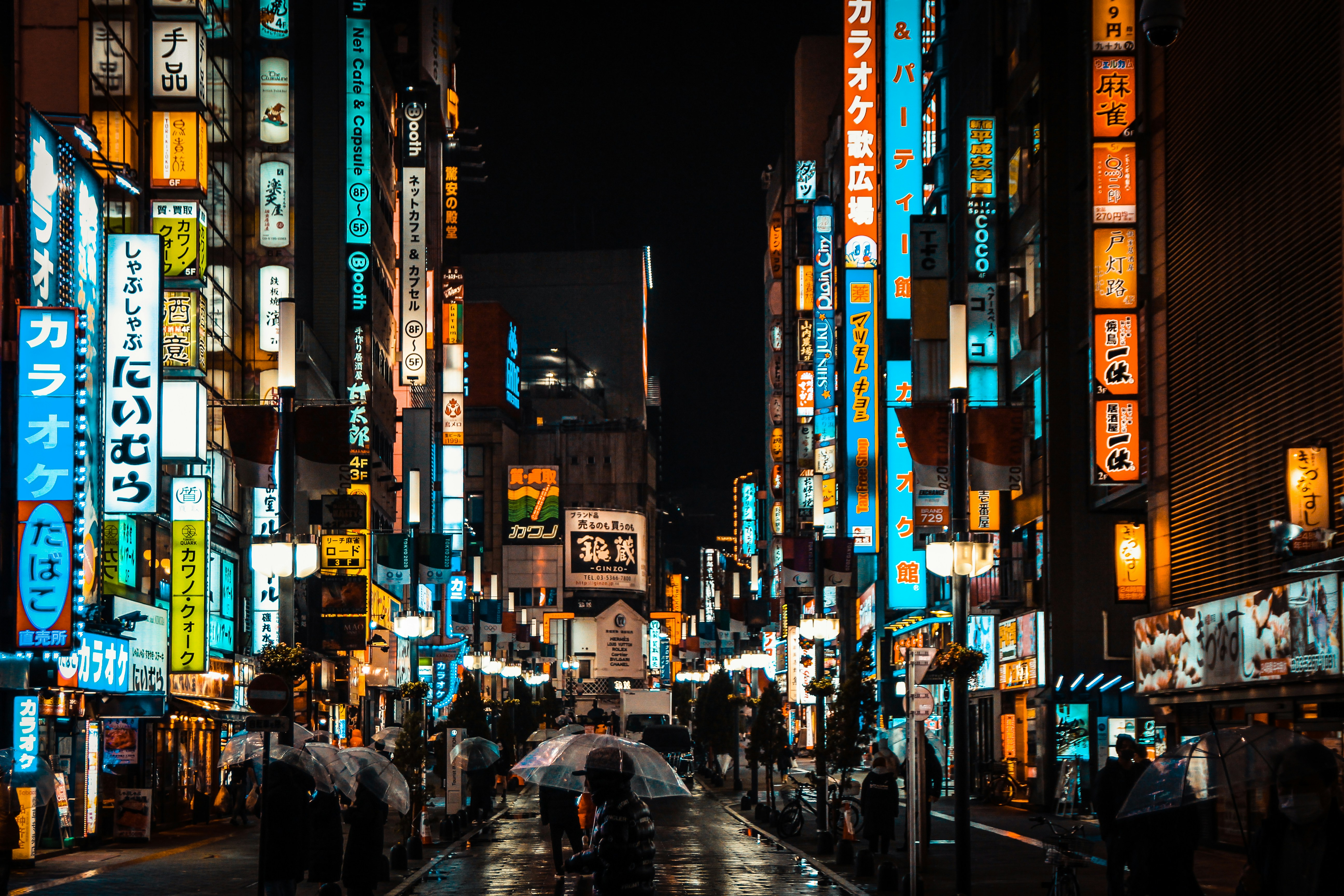
Tokyo is the city that serious music heads go to and never quite get over. The electronic scene here is not loud or obvious. It is tucked into the basements of buildings in Shibuya, Shinjuku, and Shimokitazawa, behind unmarked doors and down steep staircases, in rooms with low ceilings and serious sound systems. This is not the kind of clubbing where you are seen. This is the kind where you hear.
The Japanese relationship with music is intense and detail-obsessed in a way that fits the culture perfectly. Tokyo's clubs are famous for their audio engineering: the sound in a room like Contact, one of the city's most respected underground venues, is so precisely calibrated that you feel the music physically rather than just hearing it. The Womb in Shibuya is a larger space, four floors, one of the best sound systems in Asia, and a booking history that has brought in serious international electronic talent. Ageha, on the waterfront, is Tokyo's biggest club and a more festival-scale experience altogether.
What makes Tokyo particularly interesting for travellers is its spread. The jazz bars of Shimokitazawa are as much a part of the music culture as the techno clubs of Shibuya. The city has an extraordinary density of live music venues, from tiny basement rooms where six musicians play to an audience of twenty, to full theatres with perfect acoustics. And thanks to the brilliant quirk of Tokyo's all-night train schedule on weekends, you can dance until 5 am and catch the first train home. The city has essentially engineered its public transport around its nightlife, which tells you everything you need to know about how seriously Tokyo takes this.
Seoul: K-Pop On The Surface, Something Deeper Underneath
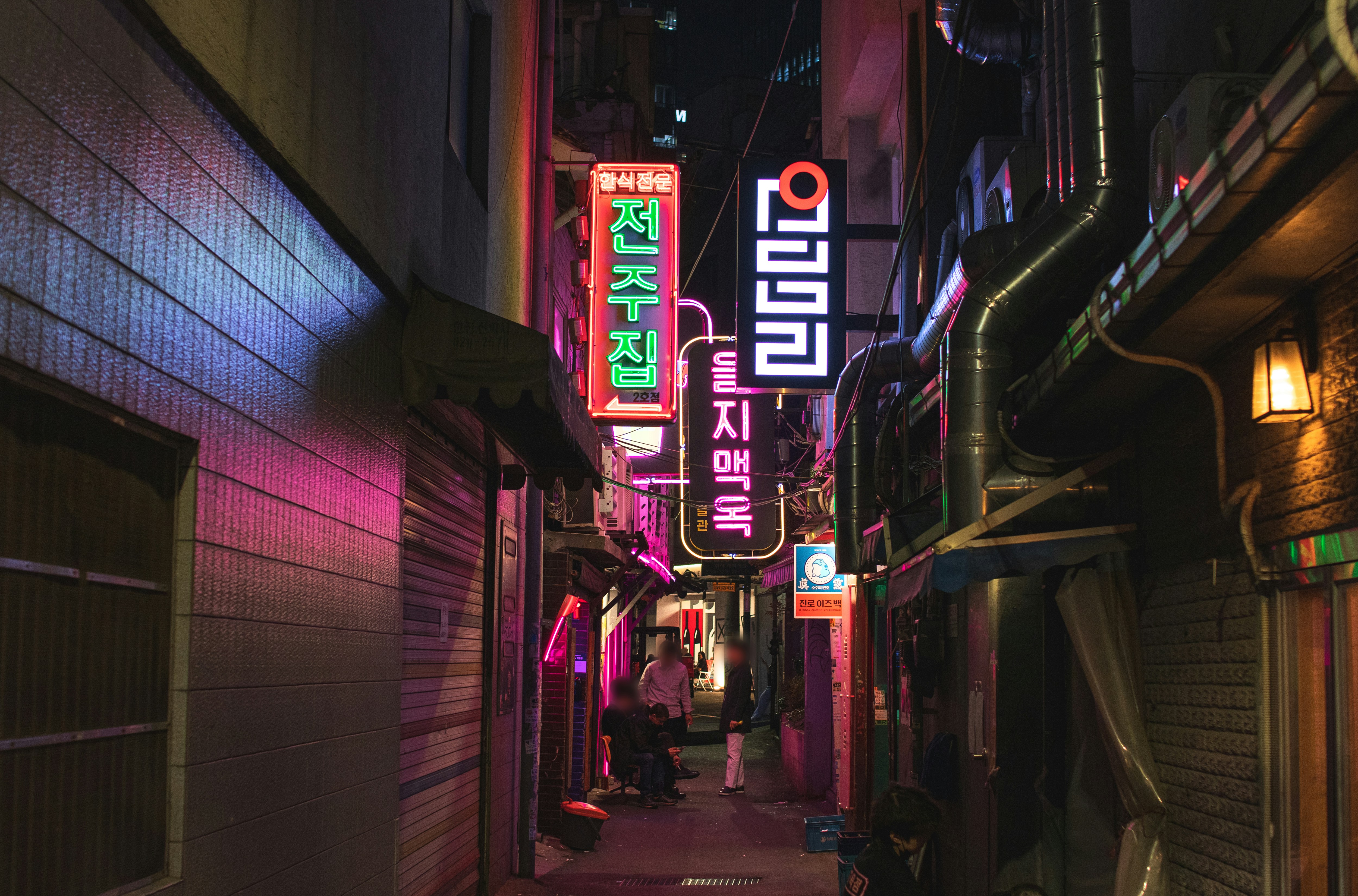
Seoul's global reputation is built on K-pop, and deservedly so. The Korean music industry has pulled off something genuinely remarkable: it has packaged music, fashion, choreography, and cultural identity into a global export that is unlike anything any other country has produced in the modern era. Walking through Gangnam or Hongdae, you feel the commercial machinery of it, the entertainment company buildings, the merchandise stores, the idol-themed cafes.
But underneath all of that, Seoul has a clubbing scene that is entirely its own thing. Hongdae is where it is most concentrated: a university neighbourhood with a history of indie music and underground culture that predates the K-pop boom by decades. The clubs here are small, cheap, and good in a way that the glossier venues in Gangnam are not. Contra, Soap, and Cakeshop are three rooms that have built reputations for booking genuinely exciting electronic music and drawing audiences who are there for the music rather than the photograph.
Also Read: Why Naukuchiatal, A Quiet Lake Town In Uttarakhand, Is Ideal For A Crowd-Free Summer
Gangnam's clubs are the opposite experience: expensive, exclusive, flashy, and enormous. These are venues where international DJs headline to crowds of thousands, where the production values are Hollywood-level, and where a table service bill would make most people flinch. Both versions of Seoul's nightlife are worth experiencing. The gritty authenticity of Hongdae and the spectacular excess of Gangnam together tell you something real about the city, and together they make Seoul one of the most musically complete cities in Asia.
Bangkok: The City That Invented The Long Night
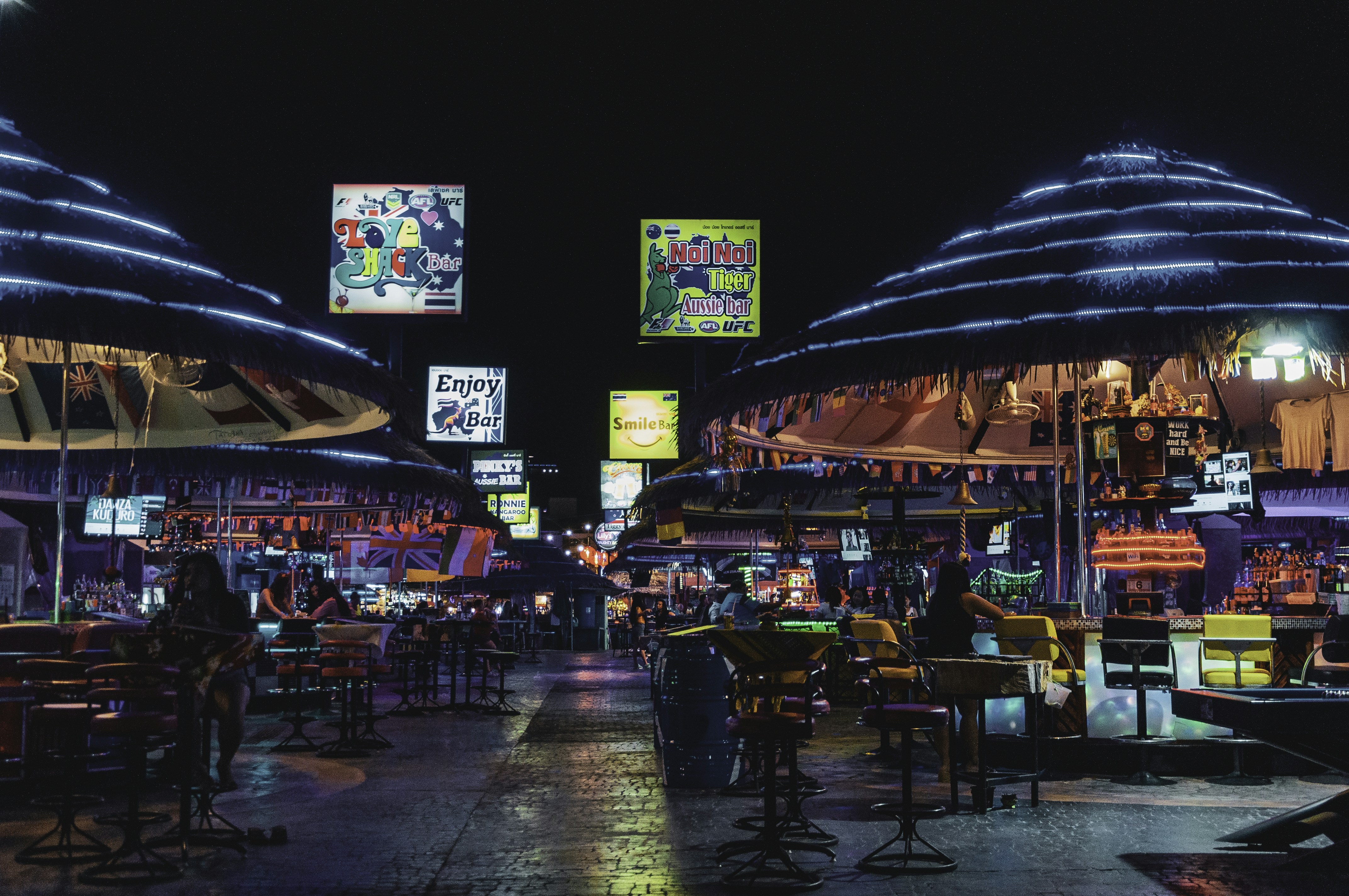
Bangkok does nightlife like it does everything else: at maximum intensity, with extraordinary variety, and without any obvious concern for what time it is. The city's after-dark scene spans everything from backpacker bars on Khao San Road, which are essentially a good time in the cheapest possible form, to rooftop lounges in Sukhumvit with skyline views that genuinely take your breath away. In between there are night markets, riverside restaurants, jazz clubs, underground parties in converted warehouses, and the legendary DJ bars of the Ekkamai neighbourhood.
Ekkamai has quietly become Bangkok's most interesting music district. The area around Thonglor and Ekkamai has a density of good bars and small clubs that attracts a local creative crowd rather than the tourist scene concentrated around Sukhumvit and Silom. Glow is one of the city's most established electronic venues. Muse Bangkok and Sing Sing Theatre are more eclectic, mixing music genres and crowd types in spaces that are architecturally beautiful and genuinely fun.
For Indian travellers, Bangkok is also the easiest entry point into serious Asian nightlife: the city is well connected, visa-free, affordable, and has a social scene that is genuinely welcoming. The food is extraordinary at every hour, which matters more than it sounds when you are still out at 3 am and need something exceptional to eat.
Bali: Where The Party Meets The Sunrise
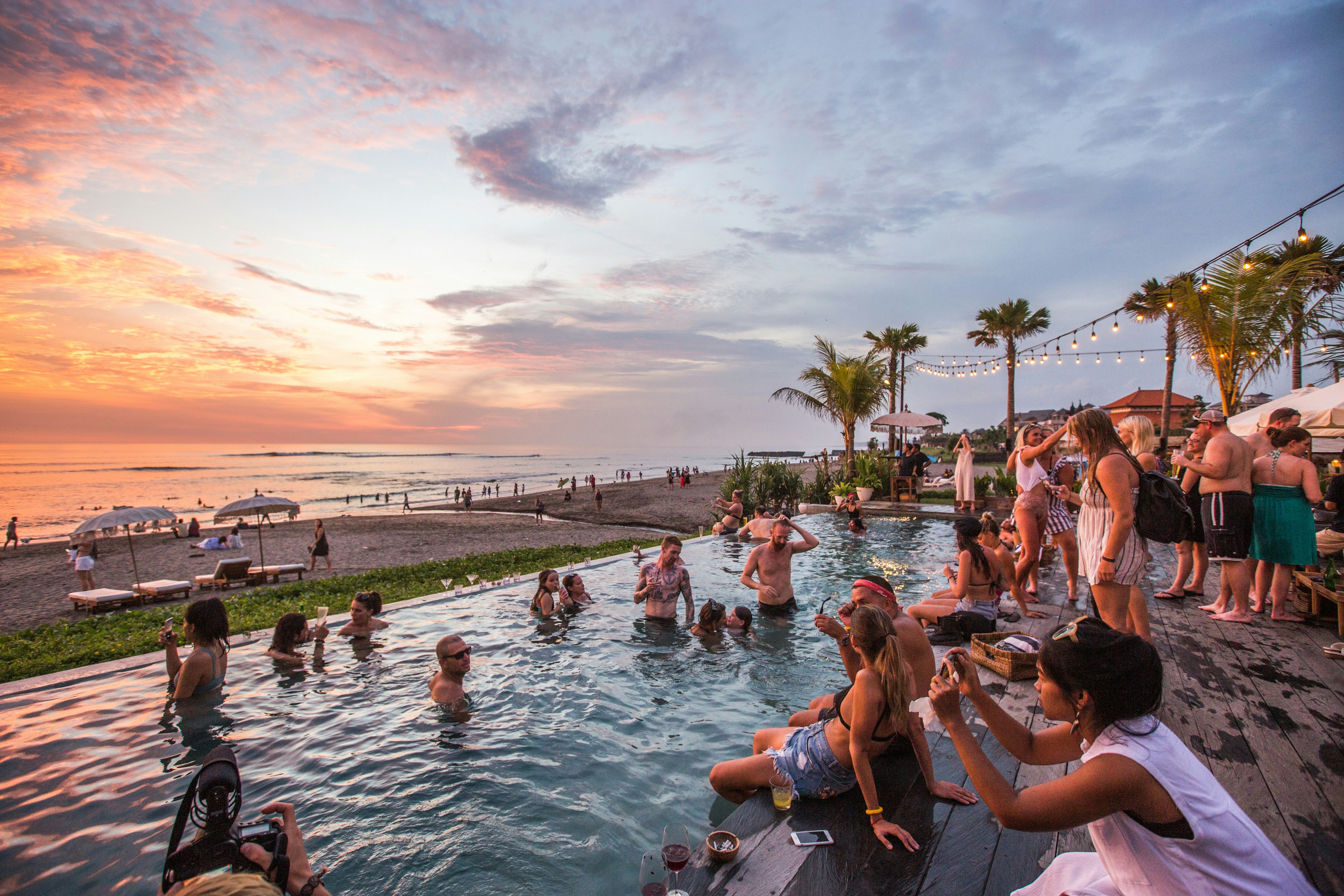
Bali has transformed over the past decade from a yoga and surf destination into one of the most significant beach club and festival scenes in the world, and the change has happened remarkably fast. The southern part of the island, particularly Seminyak, Canggu, and the Bukit Peninsula, now has a concentration of internationally recognised beach clubs and open-air venues that rivals anything in the Mediterranean.
Potato Head Beach Club in Seminyak is the most famous and for good reason: the architecture is spectacular, the pool faces the sunset, and the music programming has brought in genuinely notable talent. Ku De Ta pioneered the Bali beach club format and remains a benchmark for what the experience can be. Mrs Sippy in Canggu has built a devoted following among the long-term resident community. Atlas Beach Fest, a large open-air venue on the beach strip, regularly hosts international electronic acts and has become a key stop for serious clubbers who want music and ocean in equal measure.
What Bali does that nowhere else quite manages is the combination of physical beauty and musical experience. Dancing on a beach floor with the Indian Ocean in front of you and a serious DJ behind you as the sun drops into the water is not something you forget quickly. The scene has also attracted a community of long-term resident musicians and creatives who give it a depth that pure tourist destinations tend to lack. Canggu in particular feels less like a holiday destination and more like a neighbourhood that happens to have extraordinary parties.
Ho Chi Minh City: The One To Watch
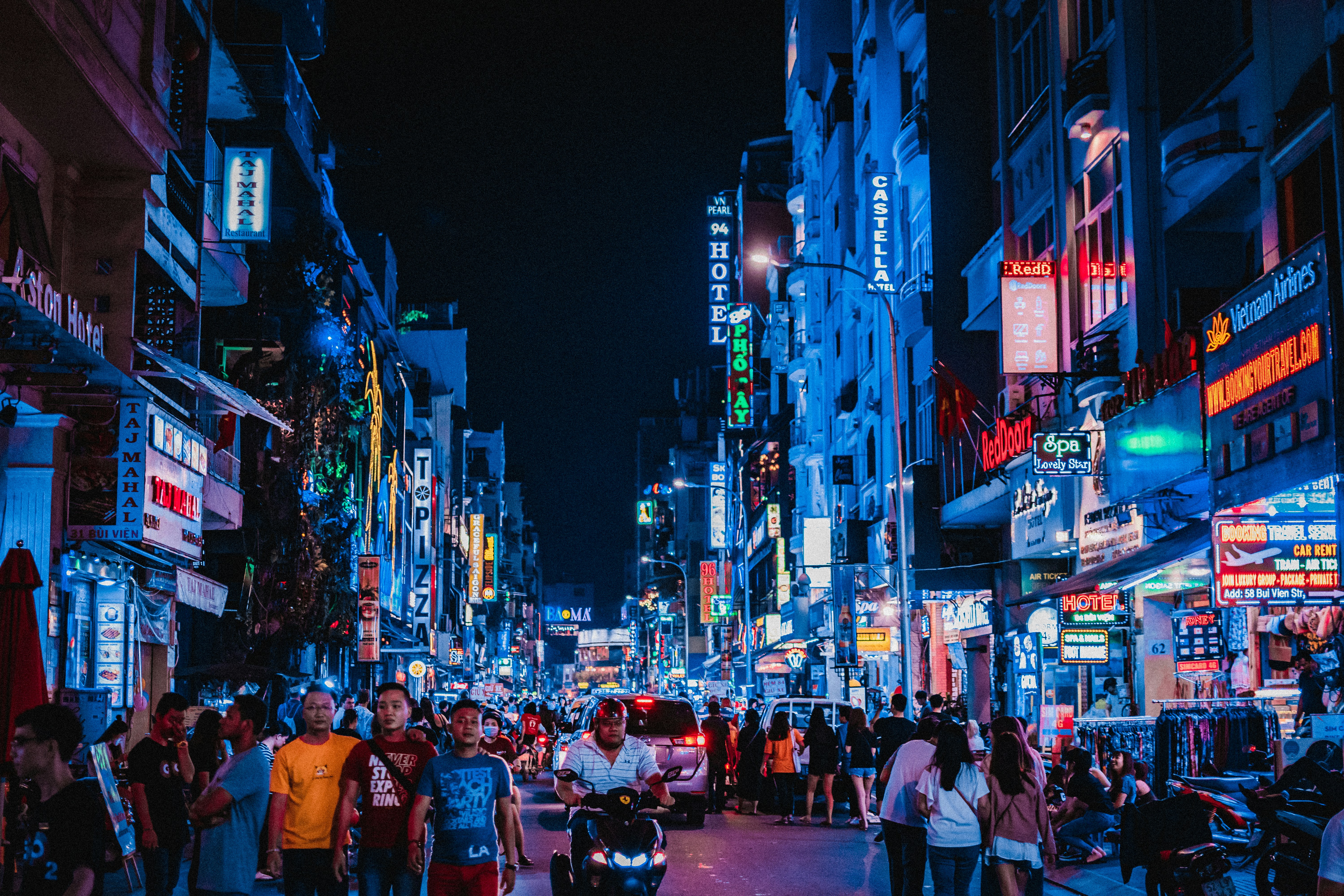
Ho Chi Minh City does not yet have the global name recognition of Tokyo or Bali as a music destination, but it should. Vietnam's largest city has one of the most genuinely exciting underground scenes in Southeast Asia right now, driven by a young population and a rapidly developing creative economy. Vietnam's digital music streaming revenue is growing fast, and that energy is showing up on the ground in Bui Vien, in District 1's rooftop bars, and in the warehouse parties that have started appearing in Districts 2 and 3.
Also Read: Which Country Is Called The Land Of Morning Calm?
Apocalypse Now is the city's longest-running club, a backpacker institution that has adapted and survived. The Observatory has built a reputation as the most musically credible venue in the city, with a booking policy that reflects real taste rather than just commercial appeal. For the adventurous Indian traveller who wants to experience somewhere before it becomes obvious, Ho Chi Minh City right now is what Bangkok was fifteen years ago: raw, fast-moving, and full of energy that has not yet been packaged for mass consumption.
Hong Kong: Skyline Soirées And The LKF Effect
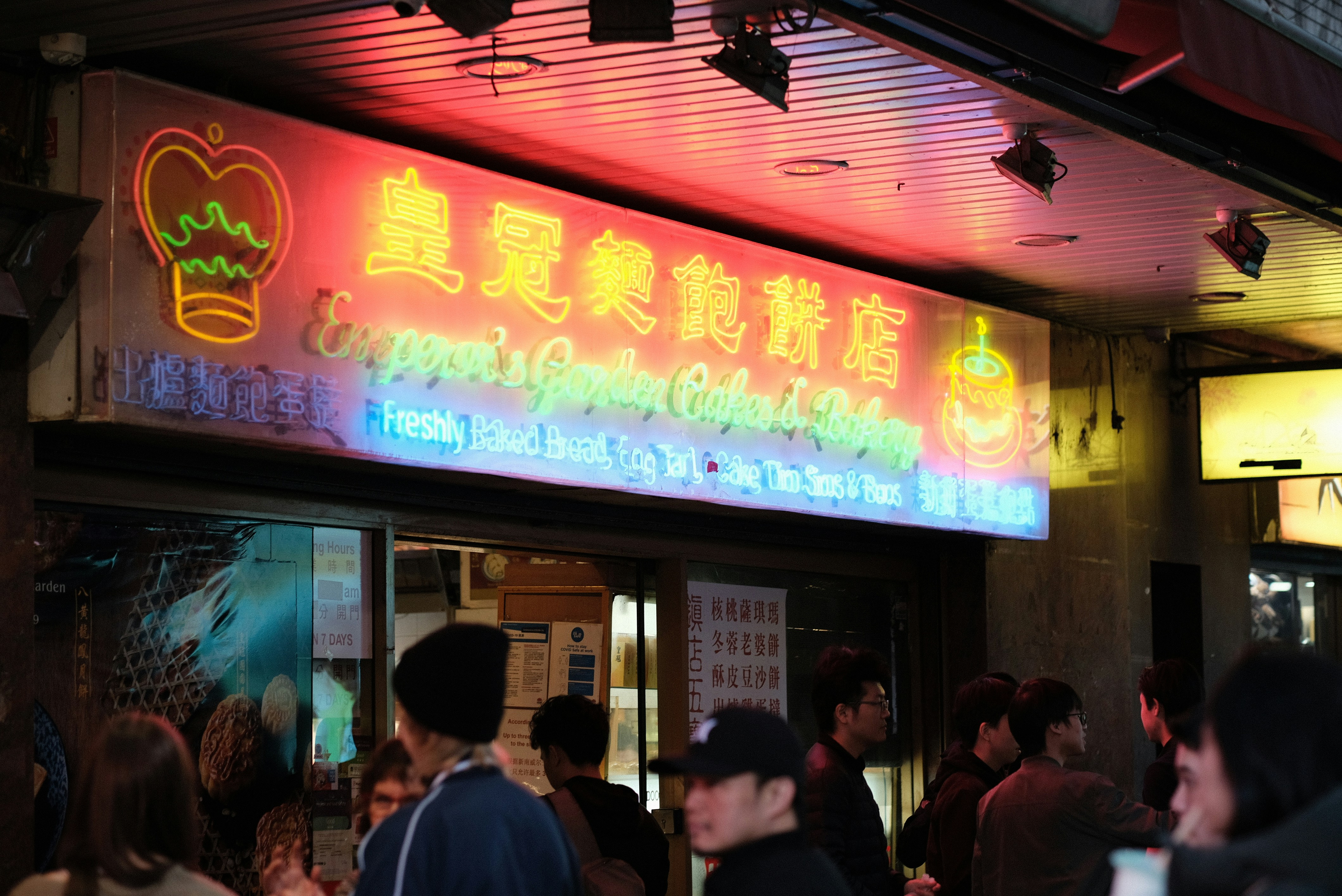
Hong Kong is a different kind of nightlife city. The skyline alone, viewed from a rooftop bar in Lan Kwai Fong or a high floor in Central, is worth the price of the cocktail. LKF, as it is universally known, is the city's most concentrated nightlife district: a couple of streets crammed with bars and clubs that fill to bursting on weekends and spill their crowds onto the pavement in a way that feels entirely particular to Hong Kong.
The music scene here is polished, international, and expensive in the way that Hong Kong tends to be. The city attracts high-end club bookings and big-name DJ sets, and the production values in its better venues are exceptional. Klee and Volar are two rooms that have shaped the city's electronic scene over many years. The city also has a genuinely strong live music culture, with excellent jazz and indie venues in Wan Chai that offer a quieter and more intimate alternative to the LKF scene for those who prefer something less crowded and more musical.
Beyond The Beaches
Asia's music scene does not look the same in any two cities, and that variety is precisely what makes it worth travelling for. Tokyo gives you the underground and the devotion. Seoul gives you the spectacle and the subculture simultaneously. Bangkok gives you the chaos and the warmth. Bali gives you the beach floor and the sunset. Ho Chi Minh City is building something new in real time, and Hong Kong remains polished to a shine. None of these scenes is a secret anymore, but all of them reward the trip. Pack light but bring good shoes, because once the music starts in Asia, you are going to be on your feet for a while.
Track Latest News Live on NDTV.com and get news updates from India and around the world


