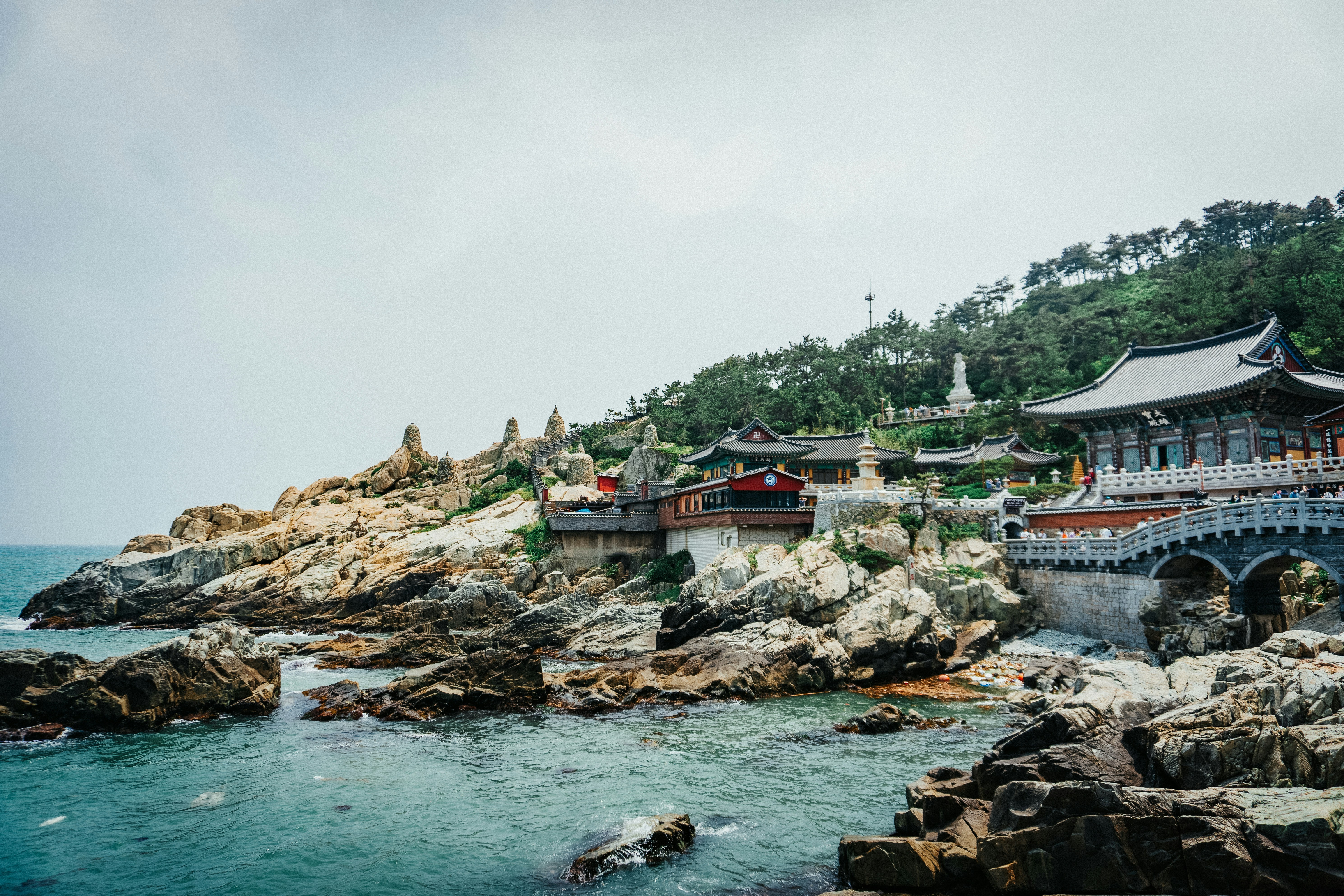
There is a reason South Korea has one of the most poetic nicknames of any country in the world. The Korean peninsula was historically called Chosun, which translates to "land of morning calm" and refers to the extraordinary stillness that settles over the country in the early hours, when mist hangs over green mountains, temple bells ring through forested valleys, and the world feels extraordinarily quiet. That calm, remarkably, has survived centuries of invasion, partition, and reinvention. Today's South Korea is one of the most dynamic countries on earth, and yet the old peacefulness is still there, if you know where to find it. For Indian travellers, this country has never been more accessible or more worth the flight.
Also Read: Love Anime? This Ghibli Park In Japan Should Be On Your Travel List
Why Is South Korea Called The "Land Of Morning Calm"?
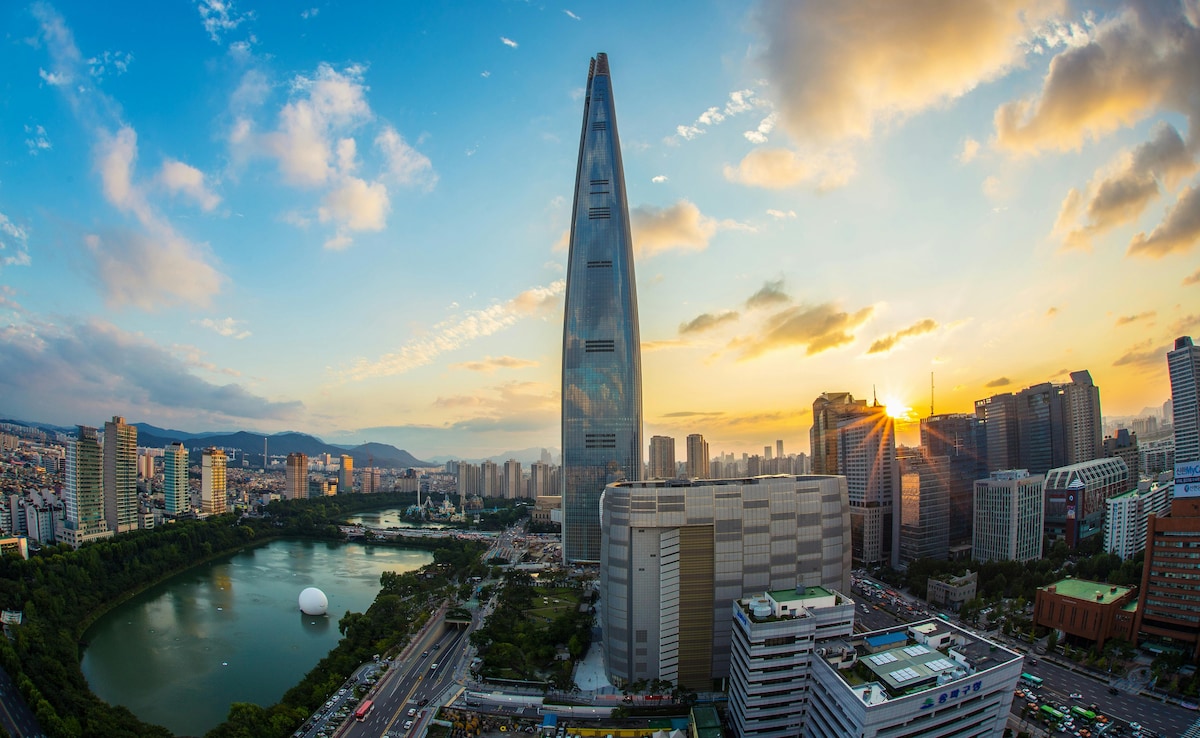
The name Chosun (also spelt Joseon) was the title of the Korean dynasty that ruled from 1392 to 1897, and the phrase itself captures something very real about the landscape. South Korea's countryside, particularly in the early morning, is genuinely breathtaking in its stillness. Lush green hills roll into one another, Buddhist monasteries sit tucked into mountain valleys, shimmering rivers catch the first light, and cherry blossoms drift across temple courtyards in spring. The contrast with the country's bullet-fast cities is striking. Seoul is perpetually in motion, all glass towers and K-pop billboards and underground malls. But step an hour outside of it, and you are in a different South Korea entirely: slow, soulful, and deeply calm. Both versions are worth your time.
The Cities: Seoul, Busan, And Gyeongju
South Korea's cities are each a completely distinct experience, and together they tell the full story of the country.
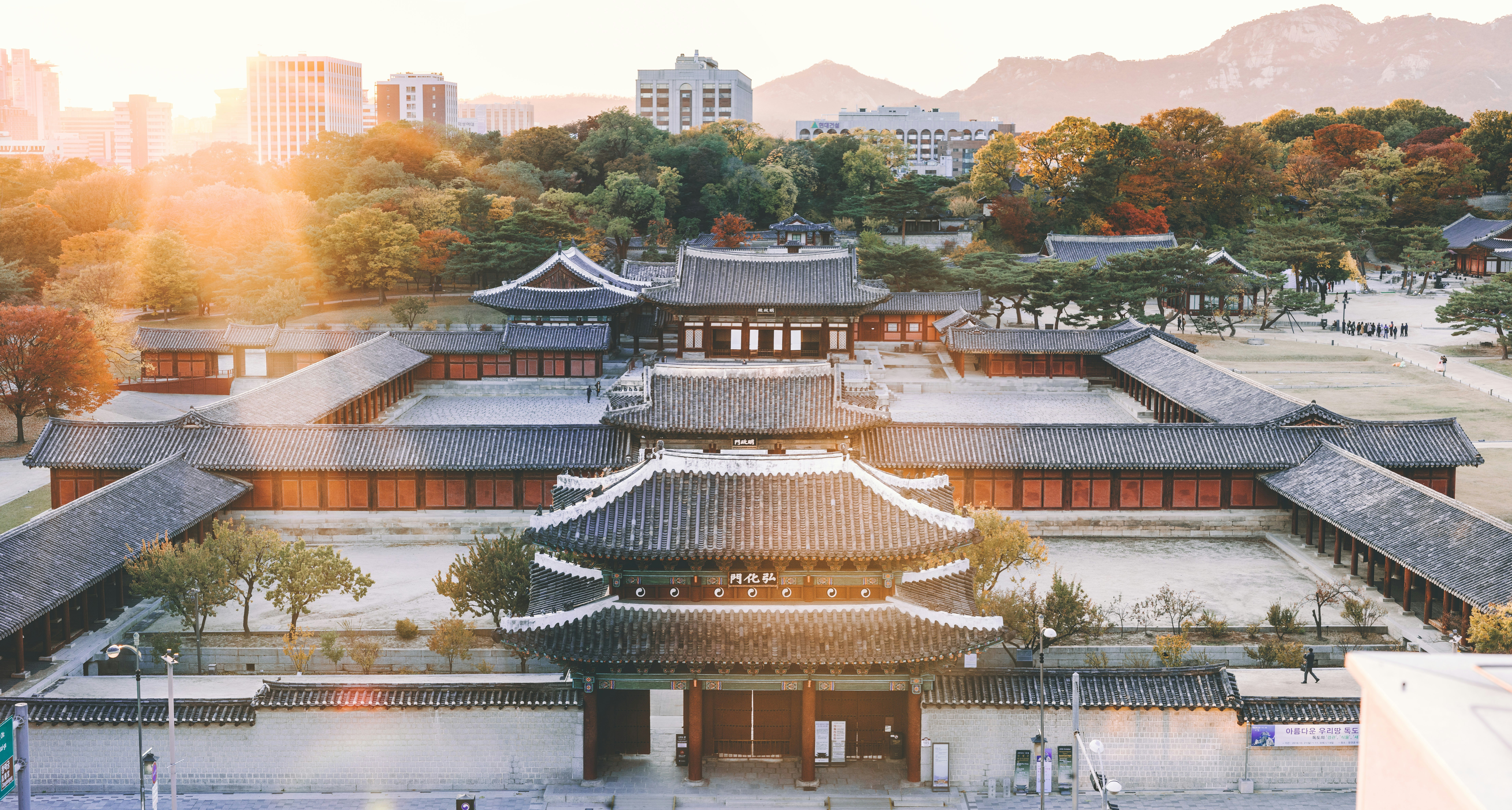
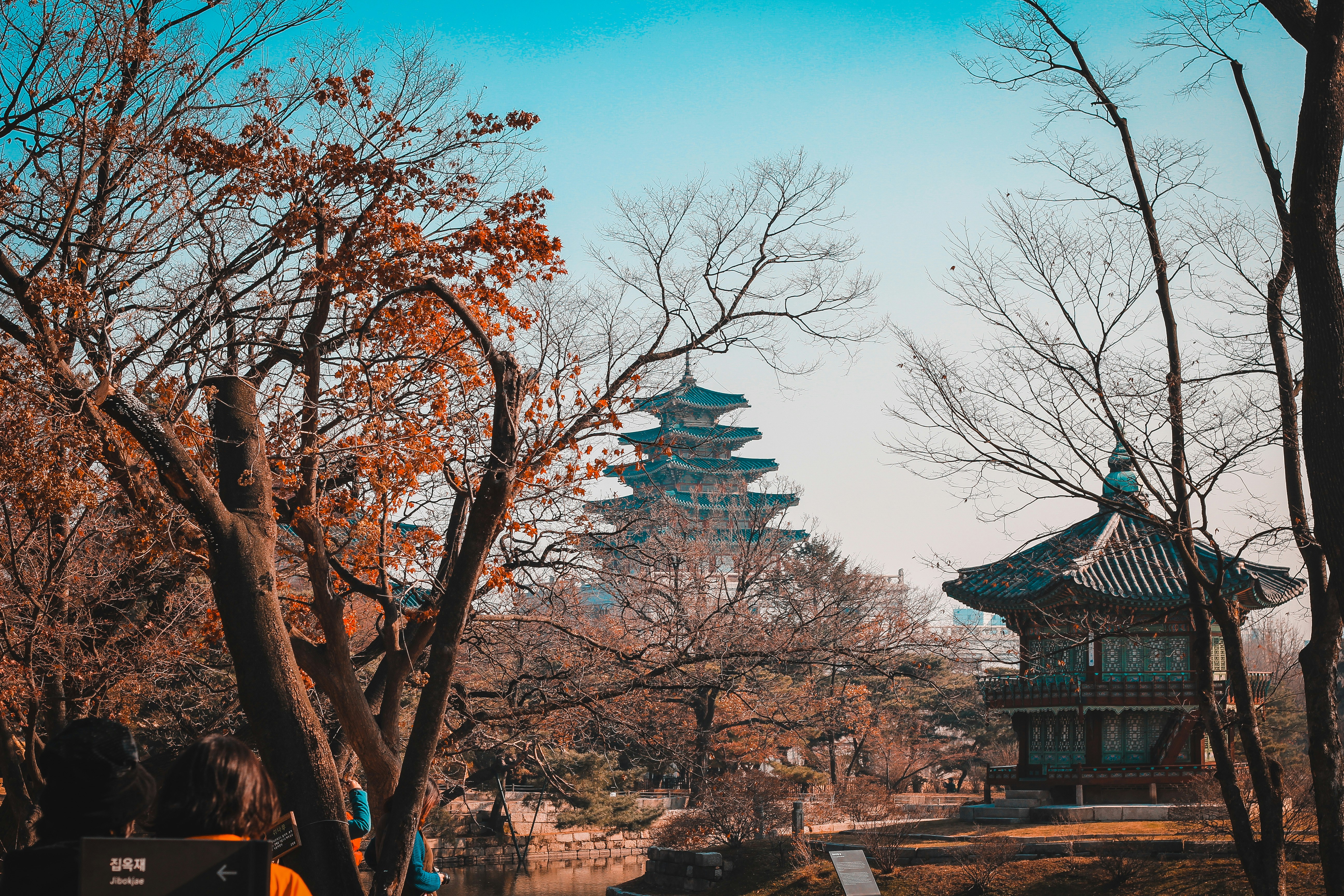
Seoul is the obvious starting point, and there is nothing wrong with that. The city never really sleeps. It has ancient palaces tucked between glass skyscrapers, street food alleys that operate until two in the morning, and world-class museums and galleries around every corner. Gyeongbokgung Palace, built in 1395 and the grandest of all the Joseon-era royal palaces, sits in the centre of the city with the snow-capped mountains of Bukhansan in the background. The changing of the guard ceremony outside its gates is one of the more beautiful daily rituals in any city in Asia. The Changdeokgung Palace nearby is a UNESCO World Heritage Site and includes the Secret Garden behind it, a forested landscape of pavilions and lotus ponds that feels entirely removed from the city outside.
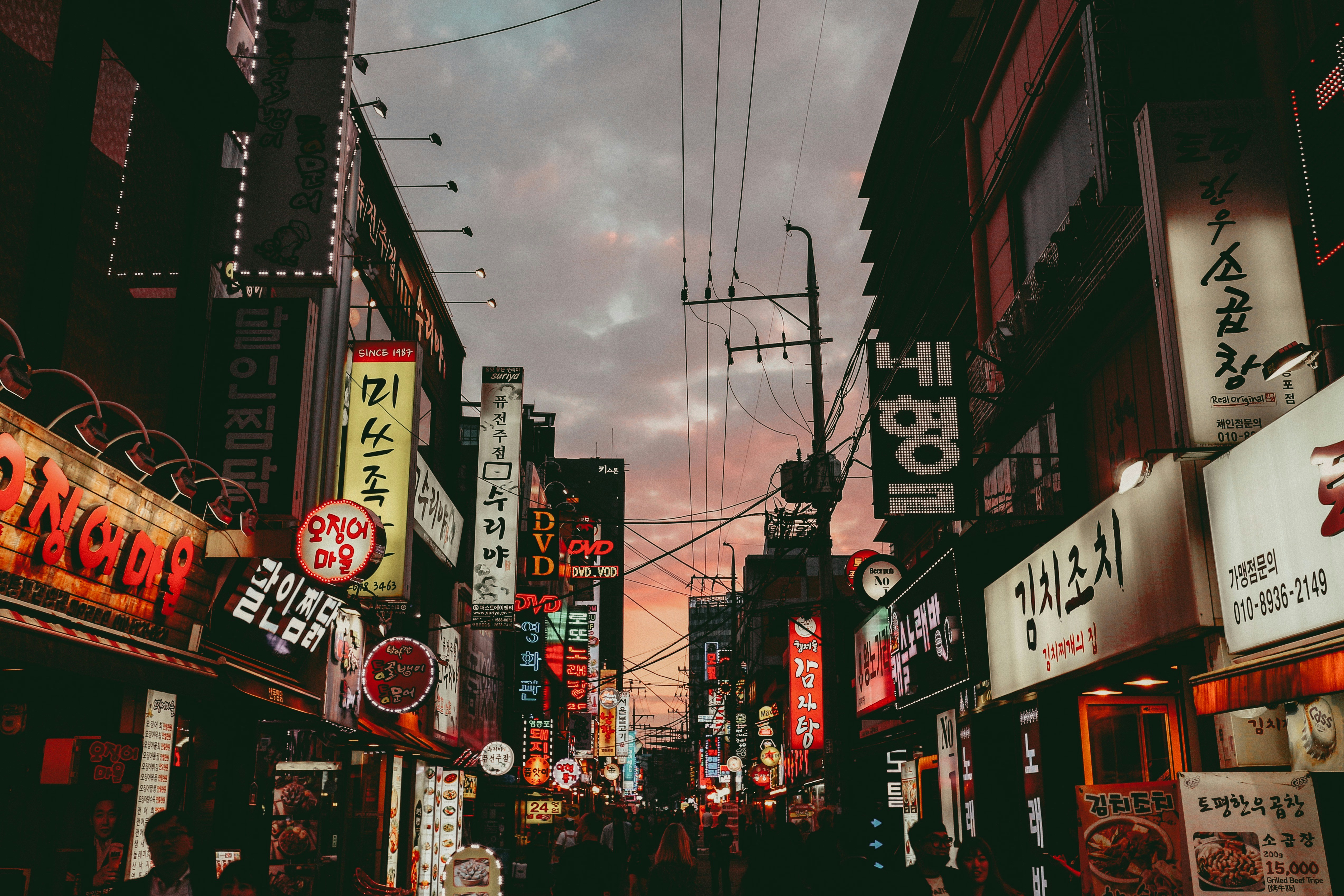
The neighbourhood of Insadong is where you go to feel the cultural heartbeat of Seoul at a slower pace. The winding lanes are full of traditional tea houses, art galleries, pottery shops, and small restaurants serving old-style Korean food. It opens early and is best visited on a quiet morning. On the opposite end of the spectrum, Hongdae and Itaewon offer some of the best nightlife and dining in Asia, with Korean-influenced restaurants representing cuisine from every corner of the globe, including a genuinely good Indian food scene.
Busan is South Korea's second-largest city and a very different proposition from Seoul. It is a port city with a rougher, more coastal energy, and it is dramatically beautiful. Haeundae beach is one of the most famous beaches in Korea, a long crescent of sand backed by high-rise hotels. The Gamcheon Culture Village is essentially a hillside neighbourhood of brightly painted houses and winding staircase streets, built in the 1920s and 1930s to house the poor and transformed in 2009 into a vibrant arts district. The Jagalchi Fish Market, the largest seafood market in Korea, is an experience in itself: enormous halls full of live fish, octopus and shellfish, and dozens of small restaurants right on the premises where you can eat whatever you have just bought.
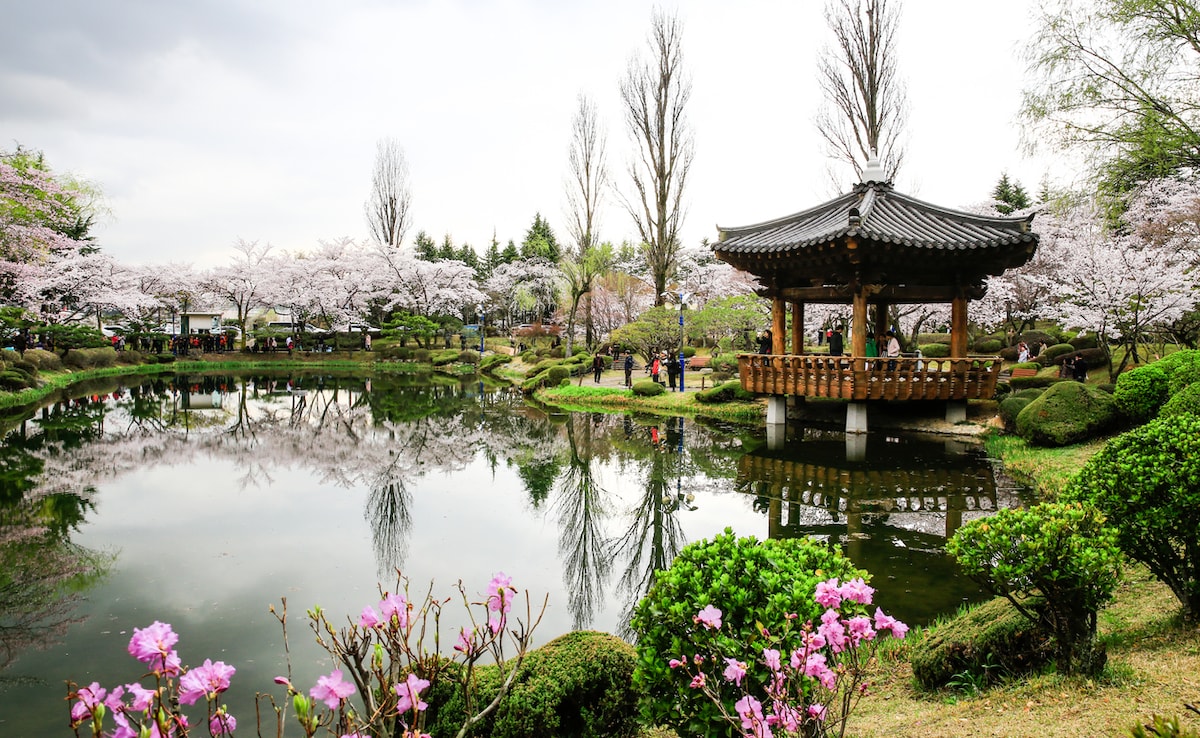
Gyeongju is where you go to understand Korea before it became modern. The ancient capital of the Silla kingdom, which ruled for nearly a thousand years, Gyeongju is an open-air museum. The Daereungwon Tomb Complex is a vast green field full of enormous royal burial mounds, a quietly surreal landscape unlike anything else in the country. The Bulguksa Temple, a UNESCO World Heritage Site still in active use by Buddhist monks, is one of the finest examples of Buddhist architecture in Asia. Visit in spring when the surrounding hillsides are in bloom, and the contrast of vivid colour against ancient stone is unforgettable.
What To Do: Beyond The Obvious
Visit the DMZ: The Korean Demilitarised Zone, the military buffer between North and South Korea, is the only accessible military boundary of its kind in the world and is about an hour from Seoul. It is sobering, historically significant, and genuinely unlike any other travel experience available anywhere. Tours from Seoul include the third infiltration tunnel, dug by North Korea and discovered by the South in 1978, and viewpoints overlooking the border.
Try a jjimjilbang: A traditional Korean bathhouse. These are communal, gender-separated bathhouses with varying temperature pools, dry saunas, and humid rooms. Many operate 24 hours. Spa Land in Busan's Shinsegae Centum City is the most famous and most elaborate, with 22 different themed rooms. Visiting one is an essential Korean experience.
Rent a hanbok and visit a palace: Every tourist does it, and every tourist is glad they did. Wearing the traditional Korean hanbok (men's or women's versions both available for hire) for a walk through Gyeongbokgung Palace is one of those experiences that is touristy in the best possible sense.
Go to Nami Island: A small half-moon island in the North Han River, about 63 kilometres from Seoul, famous for its long tree-lined roads that change dramatically with the seasons: pink cherry blossoms in spring, dense green in summer, fire-red foliage in autumn, and white snow in winter. The boat ride over is part of the experience.
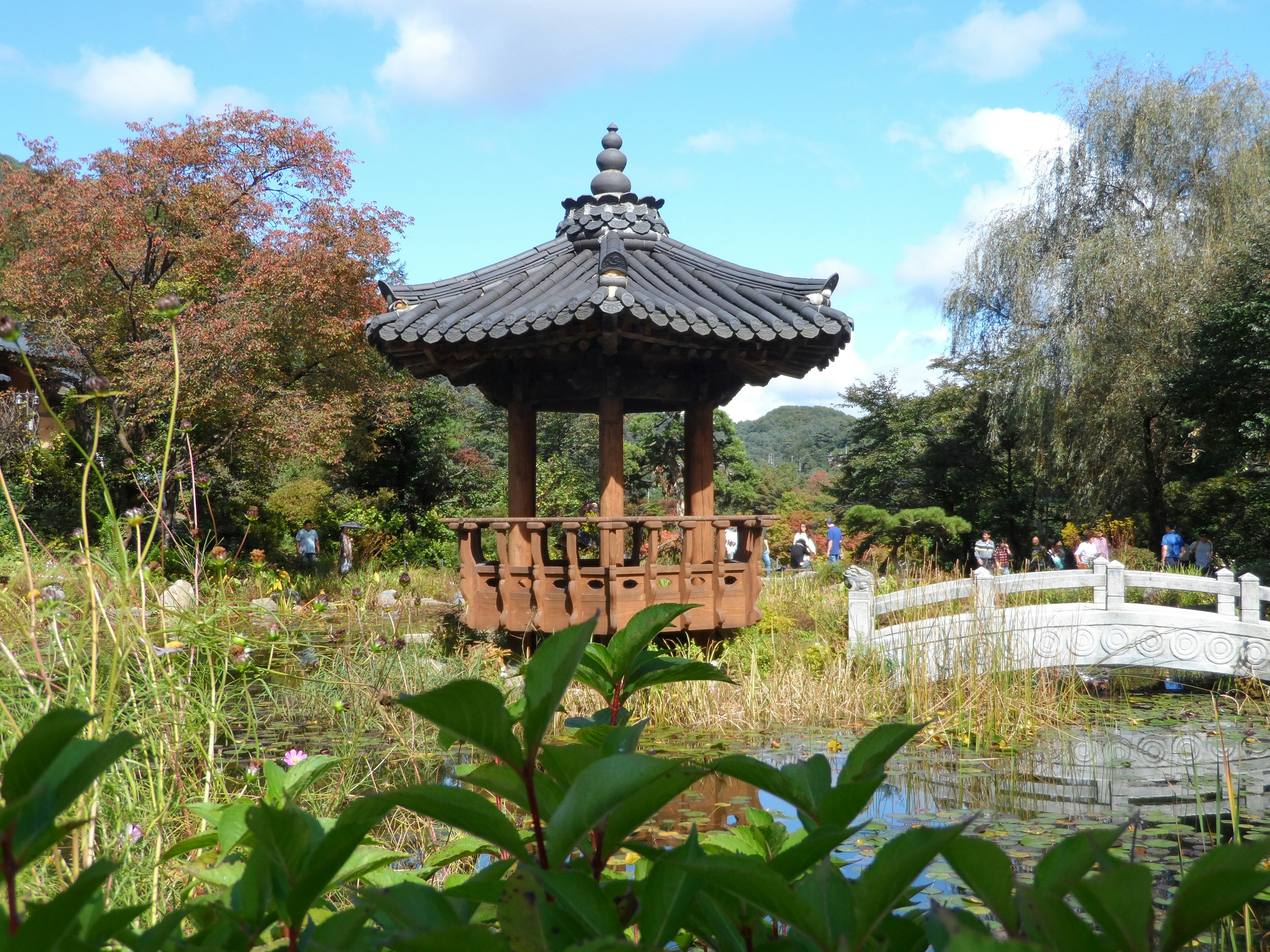
Visit the Garden of Morning Calm: A large arboretum in Gapyeong, home to about 5,000 plant species, with a stunning light festival in winter. The garden is beautifully designed and surprisingly moving in its quiet way.
Hike Bukhansan or Seoraksan: Seoul's Bukhansan National Park is within the city limits and offers serious hiking with granite peaks and great views. Seoraksan, in the east of the country, is more dramatic, with rugged peaks and cascading waterfalls, and is particularly spectacular in autumn.
Explore Jeju Island: South Korea's largest island, one of the New Seven Wonders of Nature, with volcanic landscapes, black sand beaches, hexagonal rock formations at Jusangjeolli Cliff, and Mount Hallasan, the country's highest peak. The Haenyeo, women free divers who have worked the island's waters for generations, are a living cultural tradition unique to Jeju.
What To Eat: The Full Korean Food Experience
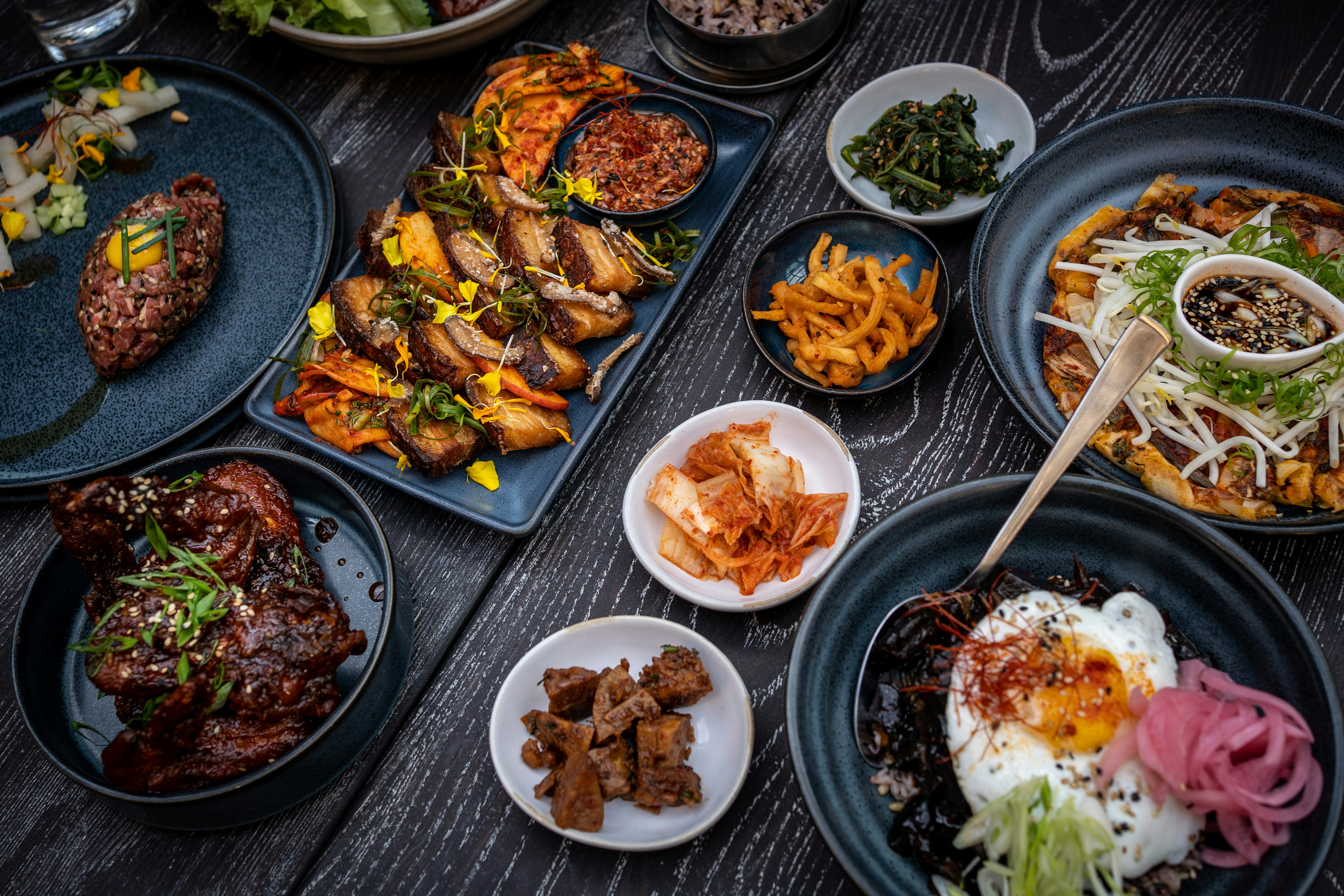
Eating in South Korea is one of the great pleasures of any trip to Asia, and for Indian travellers, there is a surprising familiarity in the bold, spiced, fermented flavours. The food is deeply communal: dishes arrive in the middle of the table and are shared.
Korean barbecue (KBBQ): Thick cuts of marinated meat (bulgogi), pork belly (samgyeopsal), and short ribs (galbi) grilled at the table and eaten wrapped in sesame leaves with garlic, kimchi, and fermented soybean paste. This is the meal most people think of first, and it is absolutely as good as the reputation suggests.
Bibimbap: A bowl of warm rice topped with sautéed vegetables, a fried egg, sliced meat, and a spoonful of gochujang (fermented red chilli paste). Mix everything at the table. Jeonju, a city in the southwest of the country, is considered the home of the definitive version.
Kimchi: The national food. Fermented cabbage spiced with gochugaru (red chilli flakes), garlic, ginger, and fish sauce. It comes with every meal, at every time of day, and in hundreds of variations: cucumber kimchi, radish kimchi, young green onion kimchi. Even if you think you do not like it, eat it anyway.
Also Read: 5 Most Colourful Holi Celebrations In India You Need To Experience At Least Once
Tteokbokki: Chewy rice cakes in a fiery, sweet red sauce. One of the most beloved Korean street foods is available at stalls throughout every city. Spicy and completely addictive.
Samgyetang: A whole young chicken stuffed with sticky rice, garlic, dates, and ginseng, then simmered slowly in broth. Clean, restorative, deeply nourishing.
Japchae: Stir-fried glass noodles made from sweet potato starch, tossed with vegetables, egg, and beef in a savoury-sweet soy sauce. One of the most refined dishes in Korean cooking.
Street food: Hotteok (sweet pancakes filled with brown sugar, cinnamon, and nuts), gyeran-ppang (soft bread baked around a whole egg), bungeoppang (fish-shaped waffles filled with sweet red bean paste), and twisted potatoes on a stick, fried crisp and dusted with cheese powder. Street food in Korea is entirely its own category and deserves dedicated time.
Vegetarians take note: Korean food is heavily meat and seafood-based, and even many vegetable dishes use anchovy-based stock. Temple food (sachal eumsik) is the best bet: entirely plant-based, deeply flavourful, and served at some Buddhist temples around the country. Look for dedicated temple food restaurants in Seoul and Gyeongju.
Visa Process For Indian Travellers
Indian passport holders require a visa to visit South Korea. There is no visa on arrival and the K-ETA electronic travel authorisation does not apply to Indian nationals. The standard tourist visa (C-3) allows stays of up to 90 days.
Documents required:
- Valid passport with at least six months of remaining validity and at least one blank page
- Completed visa application form
- Two recent passport-sized photographs
- Bank statements for the last three to six months
- Confirmed return flight itinerary
- Hotel or accommodation bookings
- Income proof
How to apply: Through the South Korean Embassy in New Delhi, the Consulate in Mumbai, or via VFS Global centres in major Indian cities.
Processing time: Standard processing takes 5 to 15 working days. Apply at least three to four weeks before your travel date to be safe.
Important: From February 2025, all foreign visitors, including Indians, must complete a digital e-Arrival Card before entering South Korea.
Practical Travel Tips For Indian Travellers
Best time to visit: Spring (March to May) for cherry blossoms and warm days, and autumn (September to November) for vivid foliage and clear skies. Both are extraordinarily beautiful. Summer is warm but humid and coincides with the monsoon in July and August. Winter is very cold but offers a different kind of stark beauty and far smaller crowds.
Getting there: No direct flights from India currently, though IndiGo has operated seasonal routes from Delhi. The most common connections are via Singapore, Bangkok, Hong Kong, or Tokyo. Total travel time from Indian cities is around 9 to 12 hours, depending on layover. Incheon International Airport near Seoul is one of the best-run airports in the world and a painless entry point.
Getting around: South Korea's public transport is outstanding. The Seoul Metro is clean, on time, fast, and very affordable. The KTX high-speed rail connects Seoul to Busan in under two and a half hours. T-money cards, available at convenience stores and stations, work across the metro, buses, and some taxis and make getting around simple.
Currency: South Korean Won (KRW). Card payments are widely accepted, but carry some cash for small restaurants, markets, and convenience stores.
Language: Korean is the official language, and English signage is common in tourist areas, metro stations, and major cities. Away from Seoul and Busan, English becomes less common; having Google Translate downloaded (with Korean offline) is genuinely useful.
Connectivity: South Korea has the highest internet speed in the world. Buy a prepaid SIM at Incheon airport or rent a pocket Wi-Fi device. Either option is cheap and works seamlessly.
Cultural notes: Shoes are removed when entering homes and some traditional restaurants. Pouring drinks for others before yourself is considered polite. Tipping is not a standard practice and can sometimes cause mild confusion.
Also Read: Which Countries Indian Passport Holders Can Visit Using A Valid Schengen Visa
The Land Of Morning Calm
South Korea rewards every kind of traveller. The history lover who wants to walk ancient palace courtyards has as good a trip as the food obsessive who wants to eat Korean barbecue three times a day or the K-drama fan who has come to see the streets they have watched on screen. But the country's real gift, the one that its old name promises, is something subtler than all of that. It is the stillness of a Buddhist temple at dawn, mist rising off mountain peaks, the sound of a bell drifting through cedar trees. South Korea is loud and fast and modern in all the right ways. But it has never lost its morning calm. Go find it.
Track Latest News Live on NDTV.com and get news updates from India and around the world


