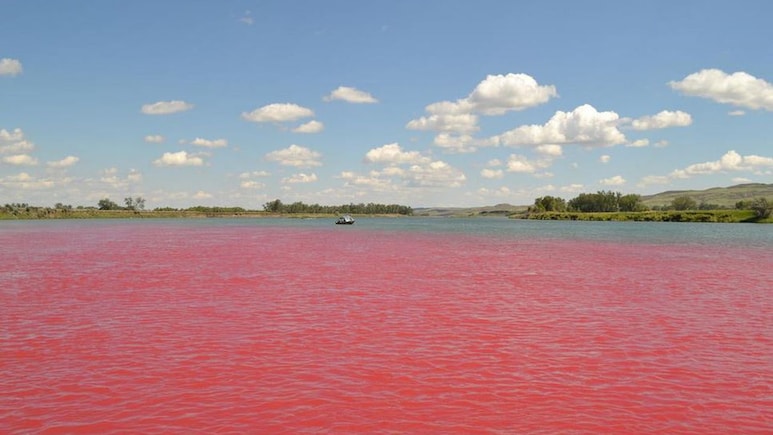
Somewhere in the dense, mist-wrapped valleys of eastern Arunachal Pradesh, a river runs in a shade that stops you cold. It is not the deep blue of a glacier lake or the muddy brown of a monsoon-swollen stream. Depending on the season and the stretch of water you are looking at, it appears in hues of russet, red-orange, and brick. This is the Lohit, a river with one of the most dramatic names in Indian geography: the River of Blood. Long before there were tourists and travel guides, there were legends, ancient pilgrimage routes, and a raw, barely-touched landscape that made this river one of the most extraordinary natural wonders in all of India's northeast. If you have not heard of it, now is a very good time to pay attention.
What Is the Lohit, and Where Does It Come From?
The Lohit River originates in eastern Tibet's Zayal Chu range and flows 200 kilometres through Arunachal Pradesh before reaching Assam's plains. Entering India via the Anjaw district, it traverses deep valleys, dense forests, and remote tribal areas, passing scenic spots like Walong, Hawai, and Tezu before merging with the Brahmaputra. The river is fast, fierce, and unpredictable, descending rapidly from the Tibetan plateau into narrow gorges. By the time it reaches India, it is a powerful force, crashing over boulders and carving through the Mishmi Hills. Travellers describe its constant low roar as deeply impressive.
Also Read: This 'Haunted Skeleton Lake' In Uttarakhand Is Actually A Hidden Gem For Adventurous Travellers
Why Is the Lohit Called the River of Blood?
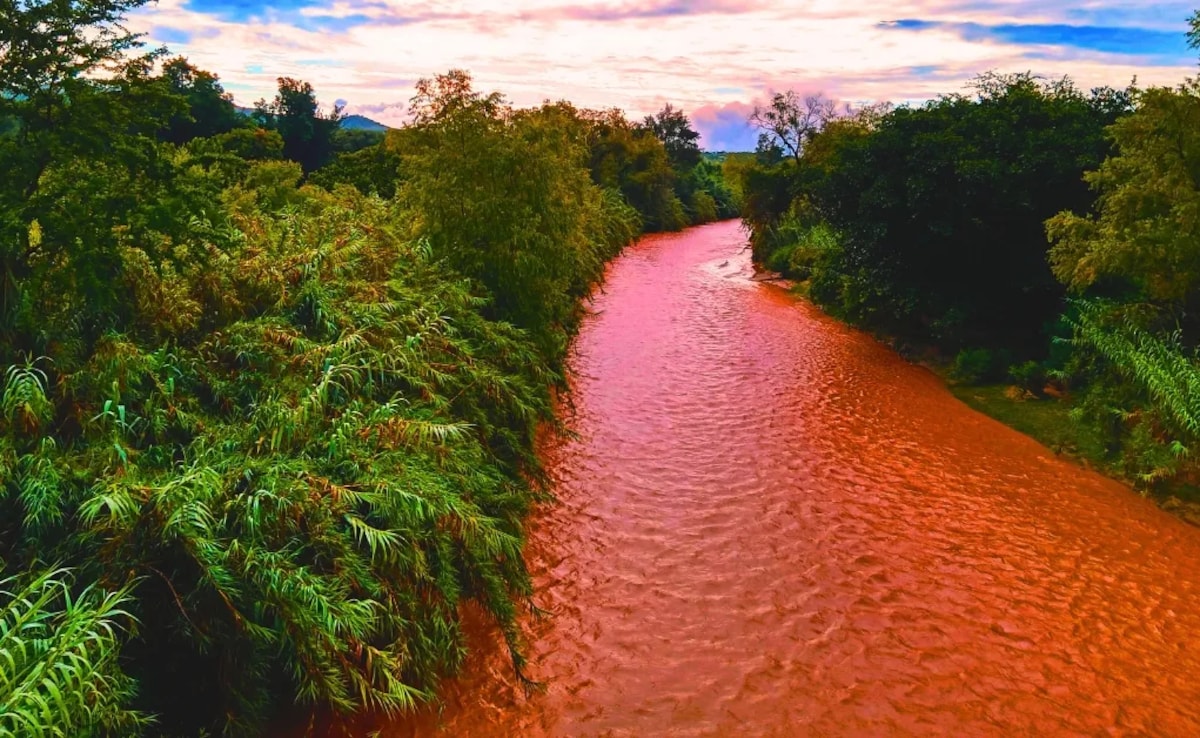
The river, known as the river of blood, has a name with both geological and mythological roots. Geologically, the Lohit valley and Mishmi Hills are rich in laterite, an iron-heavy soil that gives the river a reddish hue during high flow after rainfall. This striking rust or blood-red appearance surprises those expecting blue or green water.
Mythologically, the river's name is linked to the legend of Parashuram Kund. Parashuram, a warrior-sage and avatar of Vishnu, beheaded his mother Renuka on his father Jamadagni's orders. To cleanse his sin, he bathed in the sacred site on the river's banks, believed to have turned the river red with his mother's blood.
Thus, the Lohit embodies two reds: one from its iron-rich soil and another from its mythological tale. This blend of science and sacredness makes the river uniquely compelling.
The Valley It Flows Through
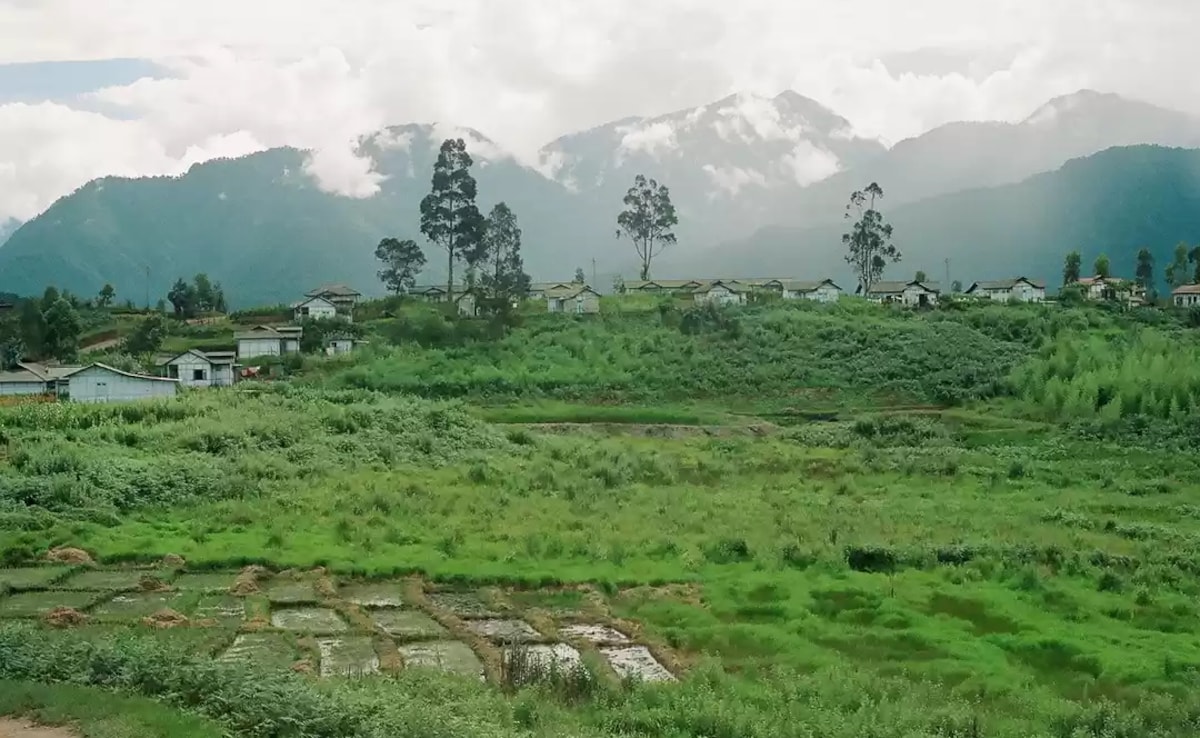
The Lohit valley is a botanist's paradise, transitioning from alpine vegetation to sub-tropical forests and dense tropical jungles. Rhododendrons bloom in the upper reaches, while orchids appear in the lower groves. It is rich in medicinal plants, including the Mishmi teeta, known globally for its properties. The biodiversity is extraordinary, with ornamental orchids, vines, climbers, tree ferns, canes, palms, and bamboos. The Mishmis dominate the hills, while the Khamptis and Singphos, fervent Buddhists from Burma, inhabit the plains. As the Lohit flows, Tibetan theology shifts from animist beliefs to Theravada Buddhism and, finally, to Hindu temples, reflecting the cultural fusion of Tibet, Southeast Asia, and the Indian subcontinent. This cultural layering along a single river is remarkable, showcasing centuries of migration, trade, and religious exchange, unmatched by few rivers in India.
Parashuram Kund: The Sacred Heart of the Lohit
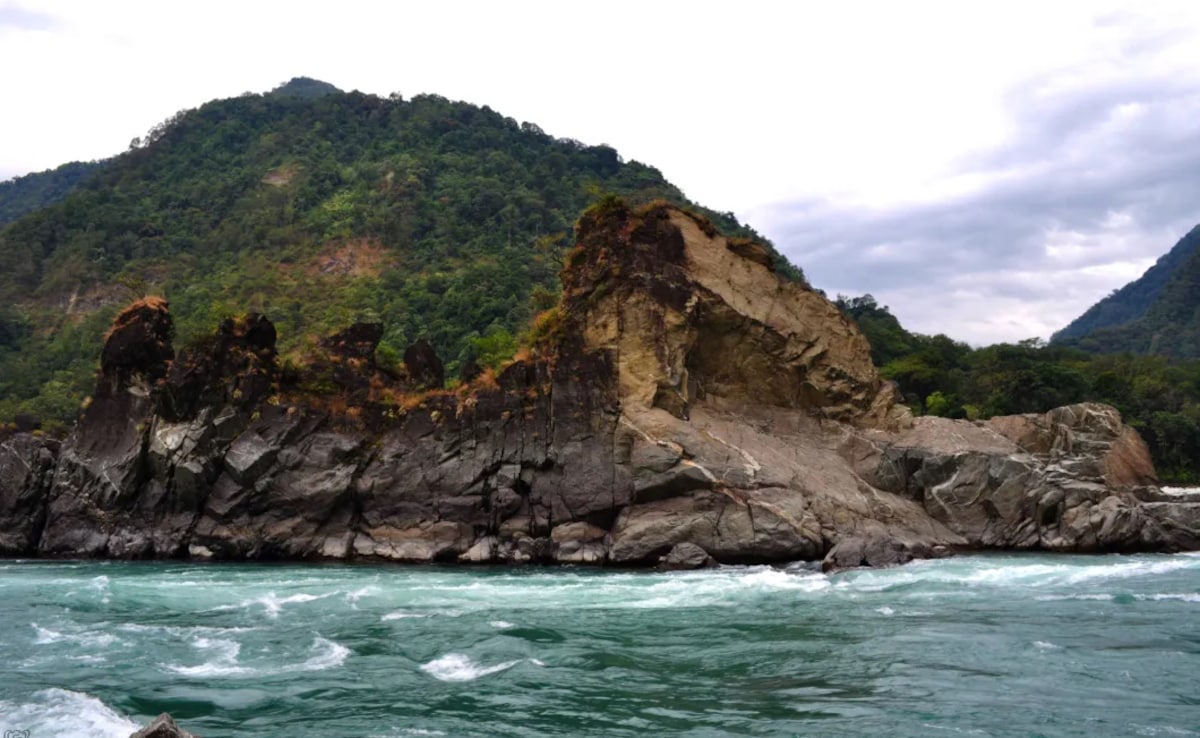
No article about the Lohit is complete without Parashuram Kund, the holiest site on the river and a key pilgrimage spot in the northeast. Located in Kamlang Reserve Forest, it requires a hike through rocky stairs to a temple dedicated to the sage and Lord Shiva, followed by a descent to the Lohit River. The river's violent teal-green water foams as it flows, with a massive rock guarding the site. Thousands gather on Makar Sankranti for a holy dip, believed to lead to emancipation. Visiting in mid-January reveals a scene filled with incense, chanting, and faithful pilgrims.
The Road to Walong: India's Final Frontier
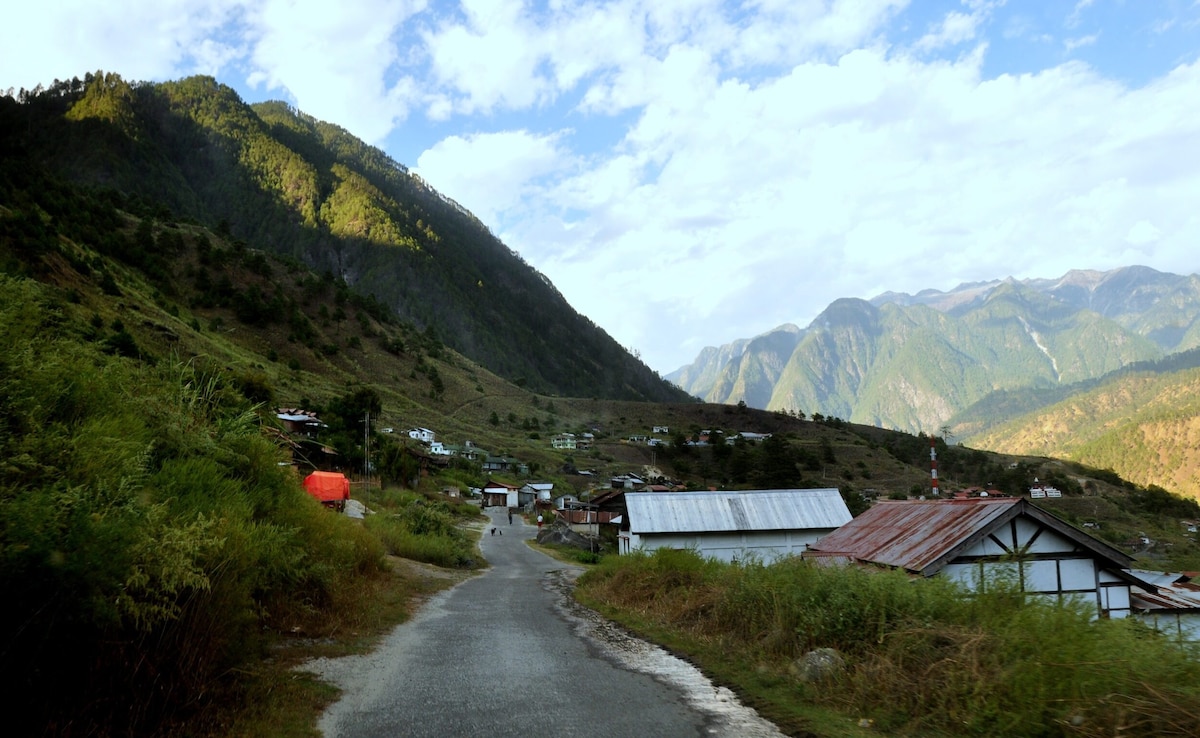
One of the most spectacular drives in the region is from Tezu to Walong along the Lohit River. Walong, a remote village near the Indo-China border, offers raw and beautiful scenery. From the Demwe bridge, it's 190 kilometres to Walong, the easternmost frontier. The turquoise-green river, hanging bridges, and surrounding hills attract nature lovers, photographers, and adventure seekers. The road clings to the riverbank, winding through dense forests, crossing tributary bridges, and revealing valley views. You'll pass Mishmi settlements, army checkpoints, and jungle stretches where the road seems out of place, with the river as your constant companion.
Also Read: From Leh To Melbourne: 5 Places Where You Can Experience Four Seasons In One Day
A Complete Travel Guide to the Lohit Valley
Permits You Will Need
This is crucial. Arunachal Pradesh requires an Inner Line Permit (ILP) for all Indian citizens, and every tourist visiting Arunachal Pradesh needs to obtain an Inner Line Permit and a Protected Area Permit, which can be collected from Delhi, Kolkata, Guwahati, or Tezpur airports. Apply for it before your trip. The process has become considerably easier with online applications, but do not leave it to the last minute.
Best Time to Visit
The ideal window is October to April. Winters (November to February) are cool and clear, perfect for long drives and river walks. The weather in the northeast is pretty unpredictable, so be prepared to have delays due to bad weather. The monsoon months (June to September) bring heavy rain, landslides, and very difficult road conditions. If your trip involves reaching Walong or the upper valley, avoid the monsoon entirely.
How to Get There
The nearest international airport is the Lokpriya Gopinath Bordoloi International Airport in Guwahati, connected with major cities like Delhi, Kolkata, Mumbai, and Dibrugarh. The nearest railway station is Naharlagun/Itanagar, with daily trains running to and from Guwahati, including the Rajdhani Express, which runs twice a week. From Dibrugarh (across the Assam border), it is roughly a 3 to 4 hour drive to Tezu, the main town of Lohit district.
Where to Stay
Accommodation in the Lohit valley is basic but functional. Tezu is the main base town and has government circuit houses and a handful of guesthouses. The government circuit house in Tezu is an old chalet with rich but ill-maintained interiors, offering a comfortable stay with all the basic amenities. Book government accommodation in advance through the Arunachal Tourism portal or district offices. For the more adventurous, camping near the river is an option in the right season.
What to Carry
Carry extra batteries, power banks and warm clothing. Most cell phone networks do not work well, so inform your family or friends about your whereabouts whenever possible. Keep at least a couple of extra days in hand in case of problems like landslides and bad weather. If you are a strict vegetarian, carry some ready-to-cook packets, as food options get very limited in the remote stretches.
Key Places to Add to Your Itinerary
Parashuram Kund is a non-negotiable. Tezu, with its orchid sanctuary and local markets, deserves a half-day. The drive to Walong, if you have the permits and the time, is one of the great road journeys in India. Hawai, closer to the Tibetan border, rewards those willing to push further. And Namsai, slightly south of the Lohit district, is a beautiful Buddhist town that rounds out the cultural picture beautifully.
Why the Lohit Deserves More Attention
India boasts dramatic rivers like the Ganga, Brahmaputra, and Indus, but the Lohit offers a quieter, more remote allure. Nestled in eastern Arunachal Pradesh, it captivates with its wild beauty, dramatic landscapes, and serene riverside views. The northeast is gaining tourism attention, with Meghalaya and Assam now popular destinations. Arunachal Pradesh is catching up, and the Lohit valley remains a rare place where one feels genuinely distant from everything. Here, the river's roar surpasses any road, and the landscape's stories have outlasted empires, making it an overwhelming natural attraction.
Also Read: Video: Polish Tourist Praises Chandigarh's Cleanliness, Compares It To Beverly Hills
A River Worth the Journey
The Lohit is called the River of Blood for reasons that are both scientific and sacred, both geological and mythological. It runs red because of the earth it passes through, and it carries the weight of an ancient story about sin, retribution, and the possibility of forgiveness. That is a lot for one river to hold. But the Lohit holds it well. Whether you come as a pilgrim, a nature lover, a photographer, or simply someone who wants to stand at the edge of India and look out at something genuinely wild, this river will not disappoint. Few places in this country can offer quite this combination of landscape, legend, and living culture all in one long, restless, red-tinged stretch of water.
Track Latest News Live on NDTV.com and get news updates from India and around the world


