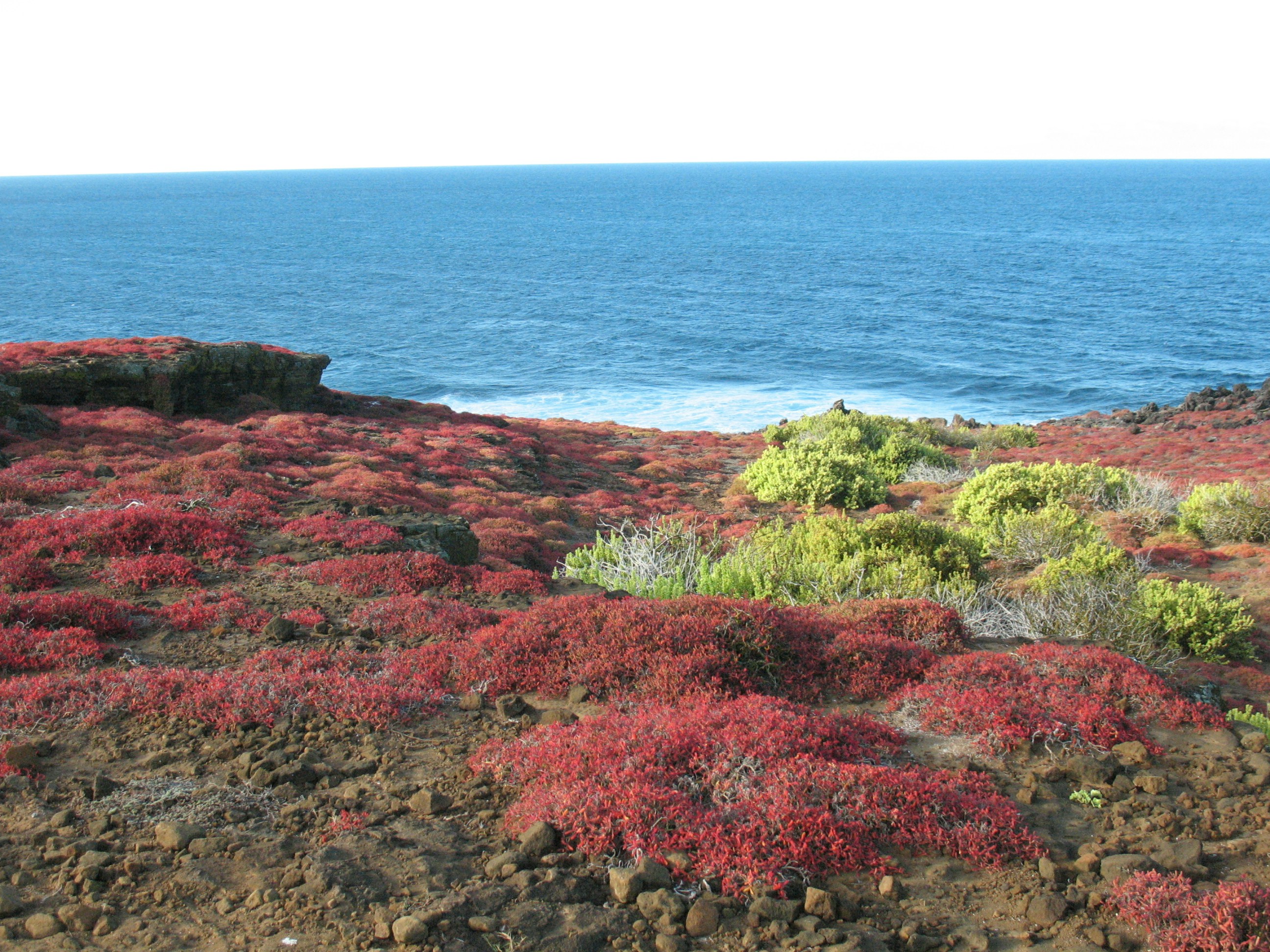
There are places in the world that exist in the imagination long before you ever visit them, and the Galápagos Islands are firmly in that category. The archipelago sits in the Pacific Ocean about 1,000 kilometres off the coast of Ecuador, and it has been famous since Charles Darwin sailed through in 1835 and used what he observed here to develop the theory of natural selection. But the Galápagos is not a museum of Darwinian history. It is a living, breathing ecosystem where animals that have never learned to fear humans will walk up to you on a beach, where the world's largest tortoises move through volcanic landscapes with the unhurried authority of creatures that have been here for millions of years, and where the line between observing nature and being part of it blurs in a way that almost nowhere else on earth allows.
Also Read: This Is Only Sea In The World With No Shore, Beaches Or Ports
Why It Is Called The Island Of Giant Tortoises
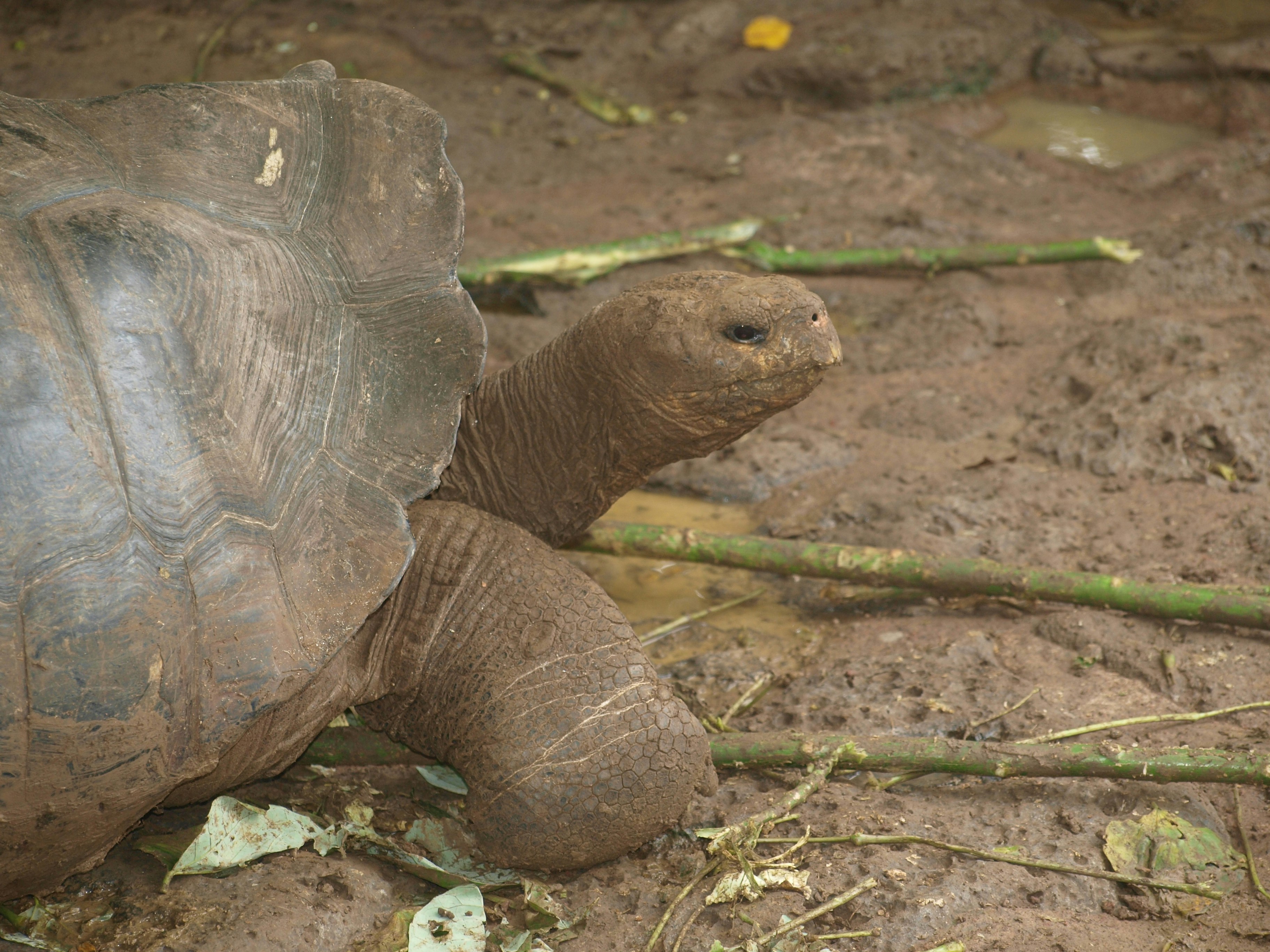
The Galápagos Islands are named after the giant tortoises that live here; the Spanish word galápago means saddle, referring to the distinctive saddle-like shape of the tortoise shells found on the islands. These are not small creatures. Galápagos giant tortoises are the largest tortoises in the world, capable of weighing over 400 kilograms and living for more than 150 years. They are so large, so slow, and so ancient in their movements that spending time near them feels like a genuinely different experience of time.
The tortoises were once found in abundance across the islands, an estimated 250,000 of them, before humans and introduced species reduced their numbers dramatically. Today, the population is around 20,000 to 25,000, and conservation efforts have been bringing them back steadily. Lonesome George, the last known member of the Pinta Island subspecies, died in 2012 after over forty years at the Charles Darwin Research Station. His death was a global conservation moment, and he became the face of the islands' fragile recovery story.
The most famous place to see giant tortoises in the wild is Santa Cruz Island, where the highlands are home to large numbers of free-roaming tortoises. The Tortoise Reserve at El Chato is a working farm where you can walk among the tortoises in their natural habitat. They move at their own pace through the grassland, occasionally pausing to regard you with an expression of complete indifference that is both humbling and oddly moving.
What Makes The Galápagos Genuinely Different
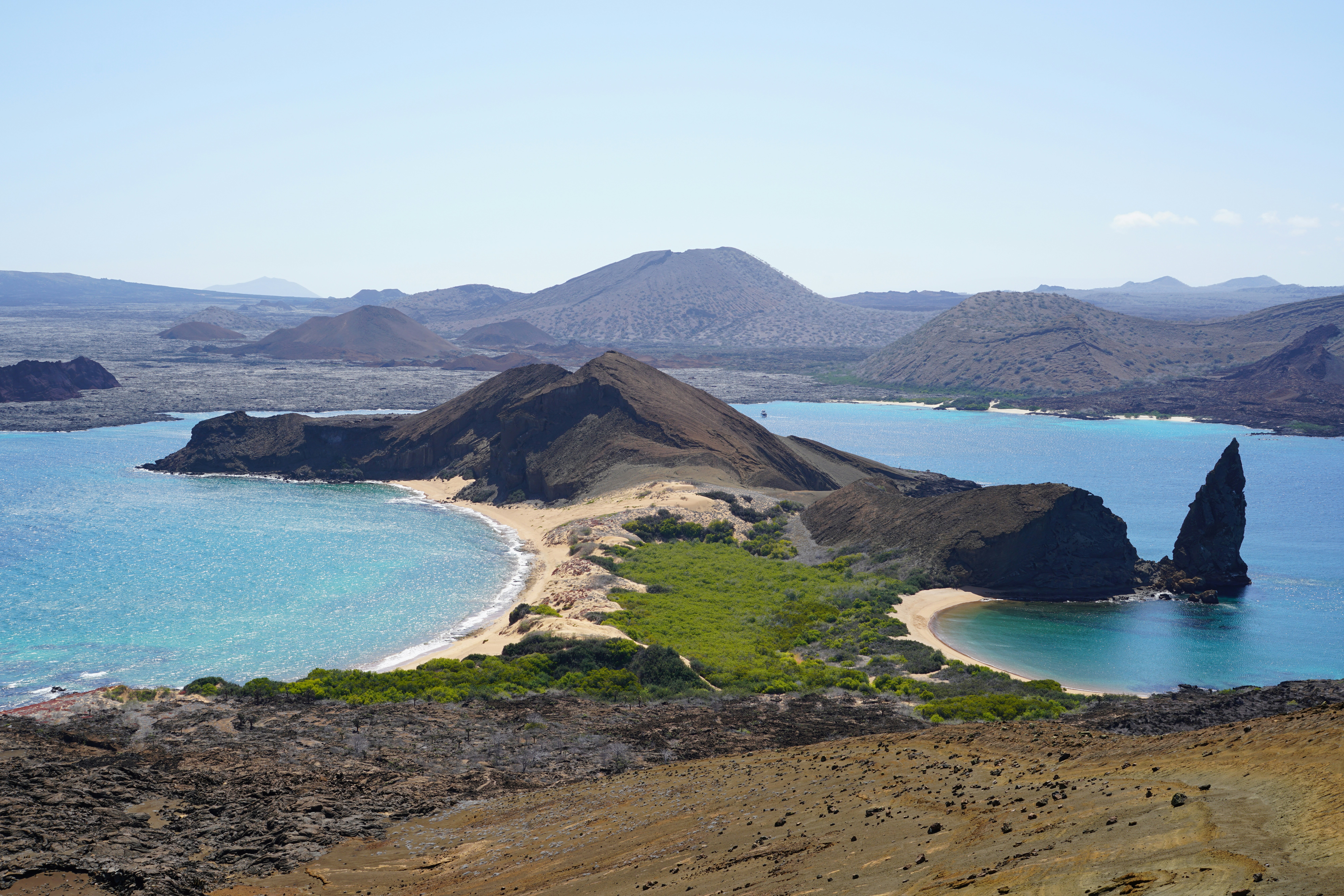
The Galápagos is not just about the tortoises. The reason the islands matter, and the reason they have protected status as a UNESCO World Heritage Site and a national park of Ecuador, is the extraordinary concentration of endemic wildlife and the unparalleled lack of fear that animals show towards humans.
Marine iguanas, the world's only sea-going lizards, sunbathe on the black volcanic rocks in enormous clusters, completely unbothered by the presence of visitors. Galápagos sea lions sleep on park benches, swim alongside snorkellers, and bark at dawn with the casual authority of animals that have never been hunted. Blue-footed boobies perform their courtship dances on footpaths. Frigatebirds inflate their bright red chest pouches on trees directly above your head. Waved albatrosses, with the largest wingspan of any bird in the Pacific, nest on Española Island and walk across the path in front of you.
Also Read: 10 Best Hill Stations To Visit In India For Summer Holidays 2026
The reason all of this is possible is the strict conservation management of the national park, which covers about 97 per cent of the land area of the islands. There are specific visitor sites with marked paths, guides are compulsory for all island visits, and the rules around wildlife interaction are taken seriously. You cannot touch the animals, you must stay on the designated trails, and visitor numbers are managed to minimise impact. The result is a place where the wildlife is genuinely wild but genuinely accessible.
The Key Islands And What You Find On Each
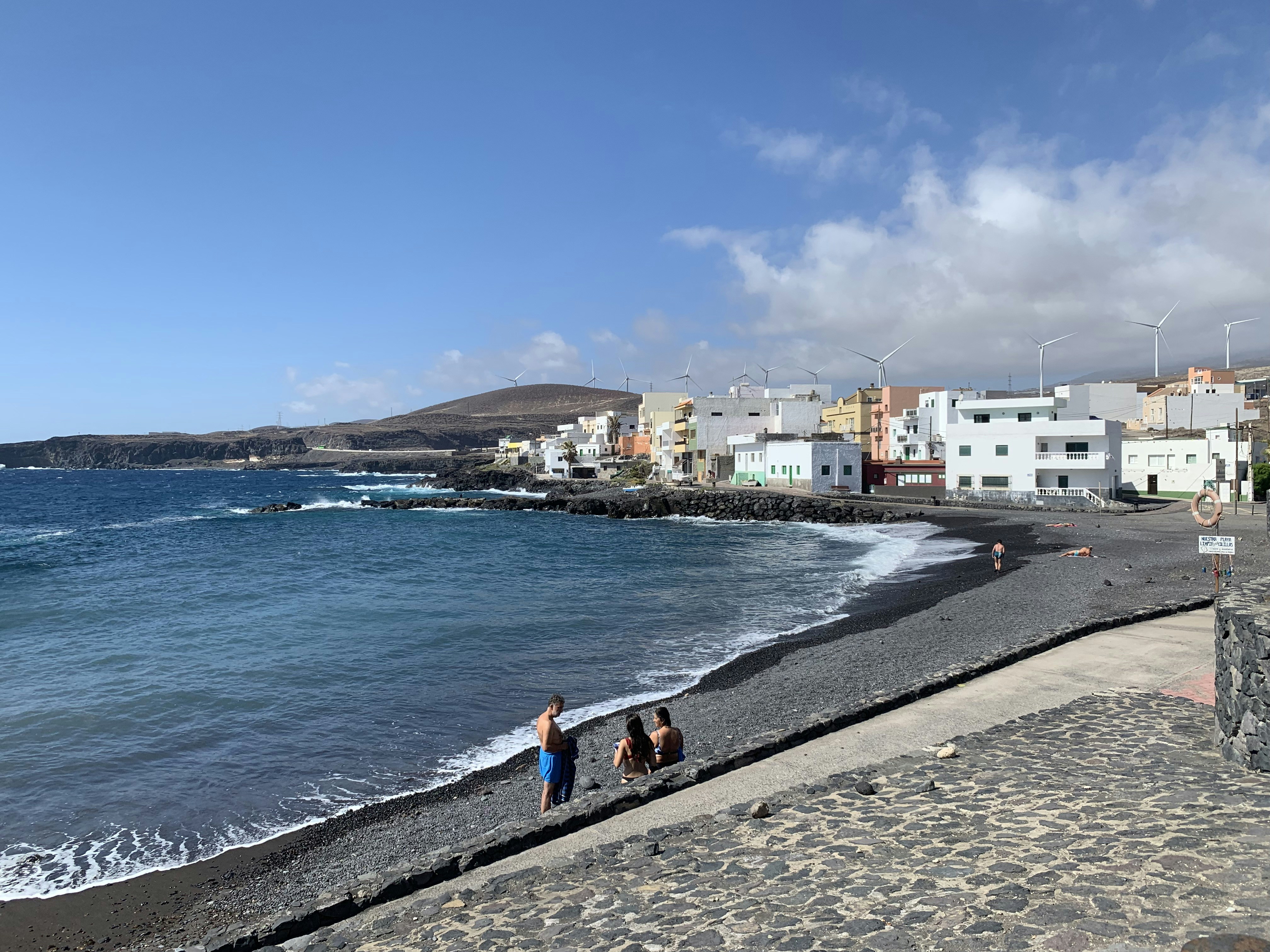
Santa Cruz is the most populated and most visited island, and the practical hub of Galápagos tourism. Puerto Ayora, the largest town, is where the Charles Darwin Research Station is located, home to the tortoise breeding programme and the best place to learn about the conservation history of the islands. The highlands offer giant tortoises, vermilion flycatchers, and lava tunnels you can walk through.
Isabela is the largest island in the archipelago and one of the most dramatically volcanic. The Sierra Negra volcano has one of the largest calderas in the world, and hikes to the rim offer extraordinary views. Isabela is also excellent for Galápagos penguins, the only penguin species found north of the equator, flightless cormorants, and whale sharks in the surrounding waters.
Española is the oldest island and one of the best for wildlife. It is the only place in the world where the waved albatross nests, and the colony at Punta Suárez, thousands of these enormous birds going about their business of courtship, raising chicks, and launching themselves off cliffs into the sea, is one of the most spectacular wildlife experiences available anywhere on the planet.
Fernandina is the youngest island and one of the most volcanically active, with an eruption as recently as 2024. It has marine iguanas in extraordinary numbers and flightless cormorants that will look you directly in the eye.
San Cristóbal has the oldest human settlement in the Galápagos and is the location of one of the islands' airports. The town of Puerto Baquerizo Moreno is worth a day or two for its beaches, the Interpretation Centre, and the sea lions that have made the town's central beach their permanent home.
How To Visit: Cruise Versus Land-Based
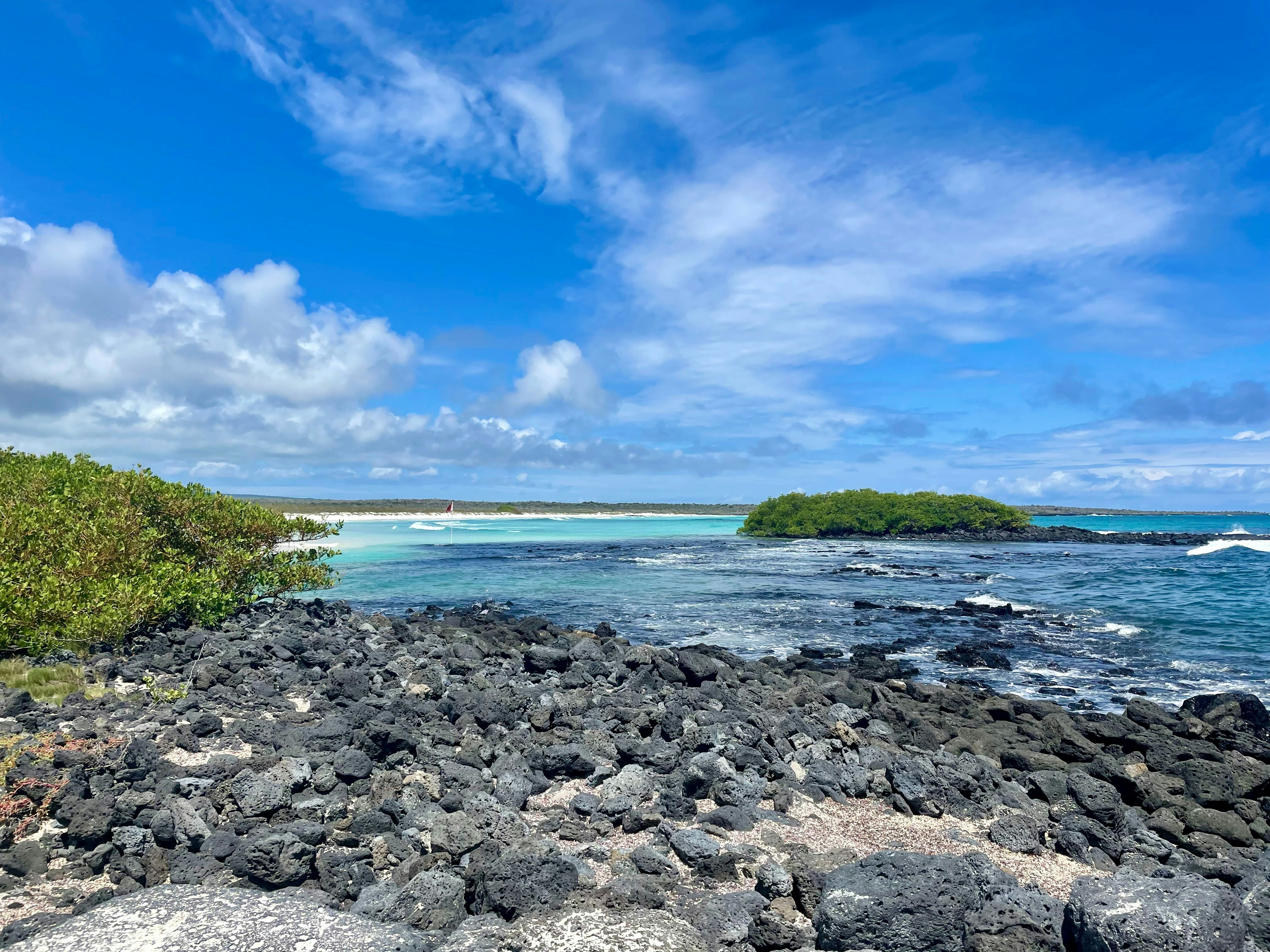
There are two ways to experience the Galápagos: by live-aboard cruise, or from a land base on one of the inhabited islands. Both have distinct advantages.
A live-aboard cruise is the traditional and most comprehensive way to visit. You wake up each morning at a different visitor site, snorkel in waters no one has disturbed overnight, and cover a range of islands that cannot be reached on day trips from a fixed base. Cruises run from 5 to 15 days, with 8-day itineraries typically the most popular first-timer option.
A land-based trip, staying in hotels on Santa Cruz or San Cristóbal and taking day excursions, is considerably cheaper and better suited to those who prefer a fixed base, are prone to seasickness, or want more control over their daily schedule. The trade-off is that some of the more remote islands are difficult or impossible to visit on a day trip.
For Indian travellers visiting for the first time, an 8-day cruise covering the central and southern islands is the most consistently recommended starting point.
Practical Guide For Indian Travellers
Getting there: There are no direct flights from India to the Galápagos. The standard route is a flight from India to a major hub (London, Madrid, Amsterdam, or a US city) followed by a connecting flight to either Quito or Guayaquil in Ecuador, and then a domestic flight to the Galápagos (Baltra Airport near Santa Cruz, or San Cristóbal Airport). Total journey time from India is typically twenty to thirty hours with connections. The most common routing is via Madrid on Iberia or via Miami on American Airlines.
Also Read: Beyond Tokyo And Bali: 7 Hidden Wonders Of East Asia Every Indian Traveller Should Know
Visa: Indian citizens require a visa to enter Ecuador. An Ecuadorian tourist visa can be applied for at the Ecuadorian consulate in New Delhi or Mumbai. Check the current status before applying, as Ecuador has been working towards a simplified e-visa system.
Entry to the Galápagos: All visitors must pay the Galápagos National Park entry fee, which increased to USD 200 for international visitors in 2024. There is also a Transit Control Card fee of USD 20 payable at the mainland airport. These are separate from any cruise or tour package costs.
Best time to visit: The warm/wet season (December to May) brings calmer seas and warmer water, excellent for snorkelling, and a time when green sea turtles and marine iguanas are particularly active. The cool/dry season (June to November) brings cooler, nutrient-rich waters that attract whale sharks, hammerhead sharks, and dolphins, but seas can be rougher. Wildlife sightings are excellent year-round.
Currency: The US dollar is the official currency of Ecuador and the Galápagos. Credit cards are accepted at most hotels and tour operators, but carry some cash for smaller purchases.
Costs: The Galápagos is not a budget destination for Indian travellers. A mid-range 8-day cruise will typically cost between USD 2,500 and USD 4,500 per person, not including international flights, visa costs, and park entry fees. Budget cruises start at around USD 1,500. A land-based week can be done for significantly less, but still requires booking day tours.
Where The Giant Tortoises Roam
The Galápagos Islands are one of those destinations that genuinely change how you think about the natural world. You go expecting to see animals, and you come back having felt, however briefly, what it is like to exist in a place where humans are not the dominant presence. The giant tortoises will outlive most of what you have built in your lifetime. The marine iguanas were here long before your city existed. The blue-footed booby doing its mating dance on the path in front of you does not know you are special, and somehow that is the most liberating thing about the whole experience. The Galápagos is expensive, logistically demanding, and a very long way from India. Go anyway.
Track Latest News Live on NDTV.com and get news updates from India and around the world


