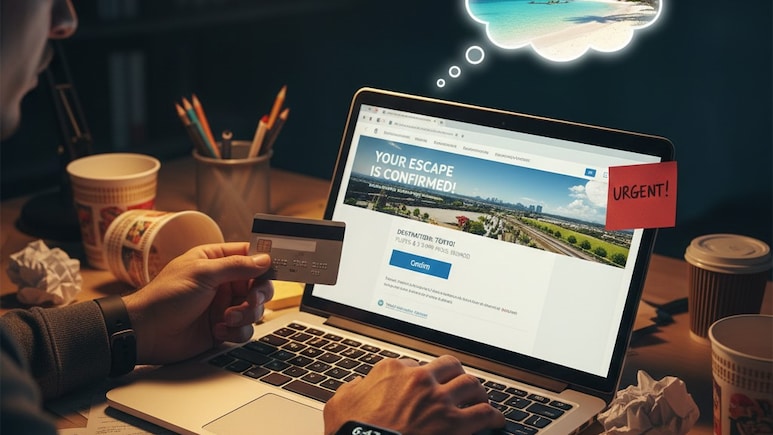
- Rage booking means impulsive trips booked to escape stress or burnout quickly
- These trips are short, planned fast, and focus on relaxation over activities
- Trend grows due to burnout, digital ease, better travel links, and new rest views
It often begins with a moment that feels trivial but isn't. A meeting that should have ended 20 minutes ago. A manager's "quick call" that eats into the evening. A WhatsApp message that lands just as dinner is served. Increasingly, instead of ranting or powering through, many people are doing something far more decisive: opening a travel app and booking a trip. This behaviour, now widely referred to as rage booking, captures a new kind of travel impulse. These are trips booked not out of excitement or long-held plans, but as an emotional response to stress, burnout or sheer frustration. The booking itself becomes a form of release.
The trend points to a deeper shift in how people are using travel as a coping mechanism in an always-on world.
What Exactly Is Rage Booking?

Photo Credit: Unsplash
At its core, rage booking refers to impulsive travel decisions triggered by emotional overload. Unlike spontaneous holidays of the past, these trips are not motivated by discounts, weddings or seasonal breaks. They are sparked by a need to escape, immediately. A rage-booked trip is typically:
- Decided within minutes or hours
- Planned with minimal research
- Short in duration, often spanning a long weekend
- Oriented towards relaxation rather than lots of activity
What sets rage booking apart is intent. The destination may change, the hotel may be upgraded or downgraded, but the decision to leave is non-negotiable. This pattern is seen through sudden booking spikes, late-night searches and last-minute weekend travel trends.
Why This Trend Is Gaining Momentum
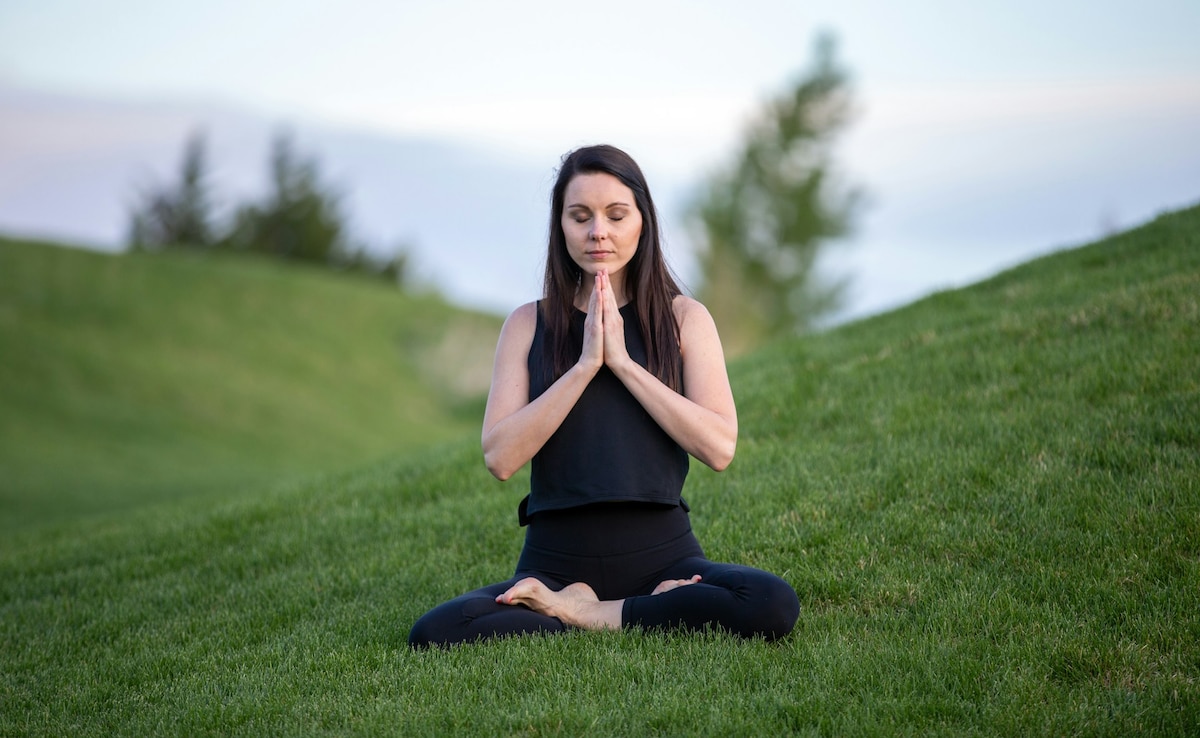
Rage booking isn't a fad in isolation. It is influenced by changing attitudes towards work culture, technology and rest.
1. Burnout as a baseline
For many professionals, high stress has become the default in their lives. Long working hours, performance pressure and blurred boundaries between office and home have normalised exhaustion. Travel becomes one of the few socially acceptable ways to step away without much explanation.
2. Always-on digital life
Smartphones have collapsed the gap between thinking about travel and booking it. Flights, hotels and homestays are available instantly, with constant nudges (price alerts, limited availability warnings and flash sales) designed to prompt quick decisions.
3. Reduced friction in domestic travel
Expanding air and rail connectivity has made short trips easier. When a hill station or coastal town is just a few hours away, the threshold for "escaping" lowers significantly.
4. Changing ideas of productivity

There is growing acceptance, especially among younger professionals, that rest is not a reward for productivity but a requirement for it. Rage booking fits neatly into this mindset.
Rage booking is most viable and more likely to be undertaken by those who belong to the following groups:
- Urban professionals in their 20s and 30s
- Dual-income couples and solo travellers
- People working in high-pressure sectors such as technology, consulting, media and finance
This group typically has limited leave but relatively higher spending power. They are also more comfortable with solo travel and last-minute planning, making rage booking both practical and appealing. The emphasis is generally on mental quiet rather than discovery. For many travellers, the ideal rage-booked trip is one where doing nothing feels productive.
Why Rage Booking Feels So Satisfying
The appeal of rage booking lies as much in the act of booking as in the trip itself. Making a decisive choice during a stressful moment restores agency. It replaces helplessness with action. Psychological research around anticipation shows that planning pleasurable experiences can reduce stress levels. Rage booking compresses this effect into minutes, delivering immediate emotional relief.
For a workforce that often feels reactive rather than in control, this small assertion of choice can feel powerful.
When Rage Booking Backfires

Photo Credit: Unsplash
The same impulsiveness that makes rage booking attractive can also undermine it.
- Paying significantly higher prices
- Ending up with inconvenient travel times
- Trading work stress for logistical stress
- Returning more exhausted than before
There is also the risk of using travel as a repeated escape without addressing structural burnout: something a weekend away cannot permanently fix.
How To Rage Book Without Regret
Rage booking works best when spontaneity is balanced with restraint. Keeping a few non-negotiables in place is advisable:
- Decide your budget before opening an app
- Prioritise flexible cancellations
- Choose destinations with simple logistics
- Be realistic about time off and recovery
Rage booking reflects a broader transformation in human behaviour. Travel is increasingly being used as a form of emotional maintenance. As work stress continues to intensify, short, restorative trips are likely to remain popular. After all, the impulse behind it remains strong: the need to pause, step away, and return feeling a little more in control than before.
Track Latest News Live on NDTV.com and get news updates from India and around the world


