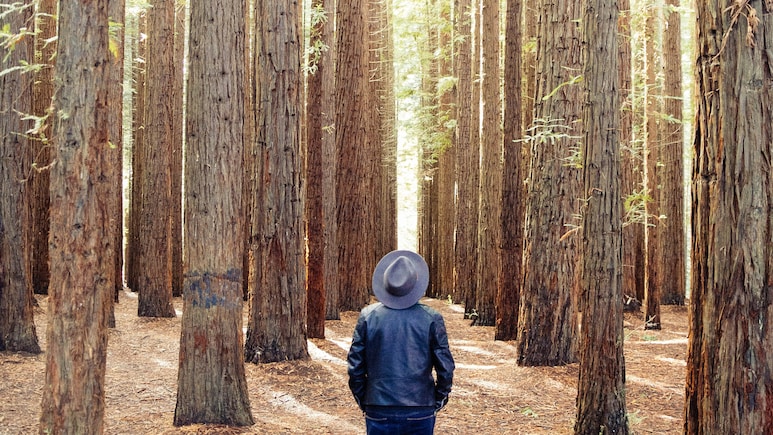
Luxury travel is entering a quieter phase. After years of chasing bucket-list attractions, jam-packed itineraries, and the pressure to "make every moment count," many travellers now want the opposite: space to slow down, switch off, and simply exist without interruption. The new measure of indulgence isn't how much a place offers, but how little it demands. This shift is fuelling interest in a rising concept known as hushpitality: a style of hospitality built around calm, low-stimulation environments and an atmosphere that protects peace. It's not about dramatic views, grand lobbies or elaborate experiences; it's about being allowed to arrive, breathe and think without noise tugging at your attention. In a world that feels louder every year, stillness is becoming the most unexpected luxury of all.
What Exactly Is Hushpitality?
Hushpitality is hospitality built around silence as a service experience rather than silence as a side effect. Instead of treating peace and stillness as things that "just happen" in remote places, it turns them into a curated offering. For travellers chasing this trend, silence and serenity are as central to the stay as design, cuisine, or wellness treatments. It is not simply a quiet hotel, and it is not the stereotype of a vague wellness retreat. It is based around the idea that quiet can be planned, calm can be engineered, solitude can be a premium experience and that rest is a type of luxury.
Where traditional luxury is often about more (more amenities, more attention, more spectacle) hushpitality is about less, but better. Less noise. Less interruption. Less performance. What remains is intentional, sensory, and restorative.
Also Read: Top 7 Travel Trends That Are Going To Rule 2026
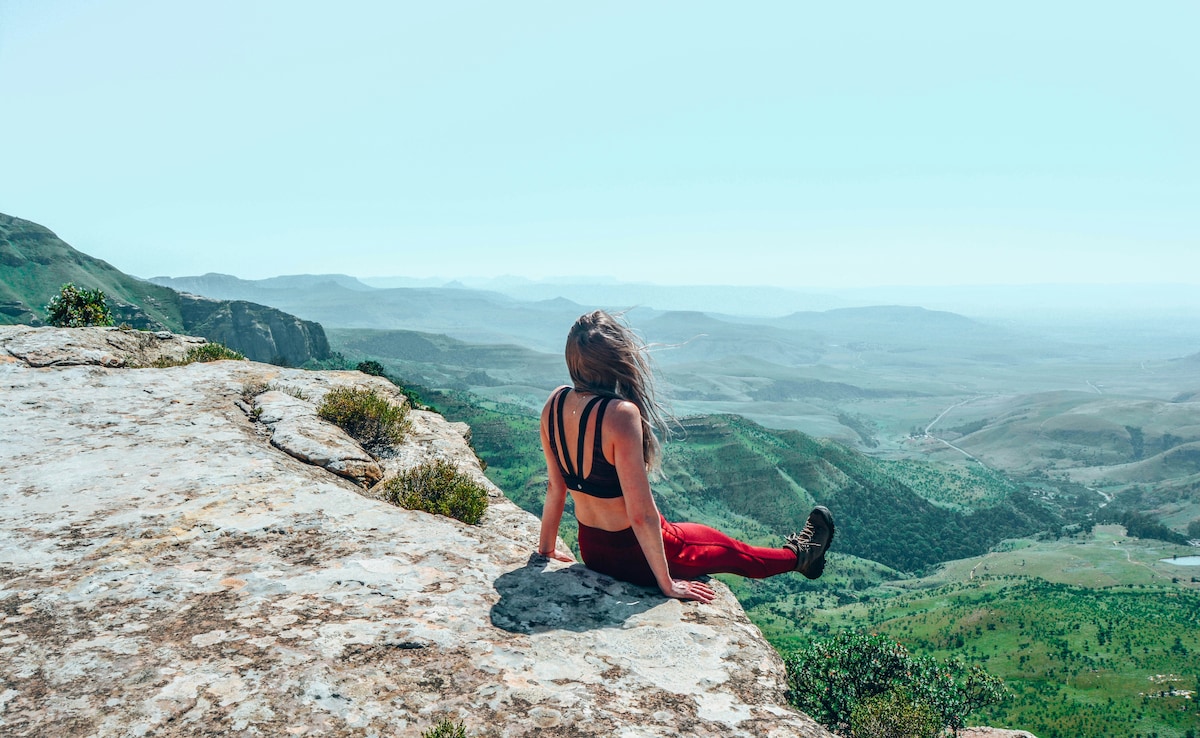
Photo Credit: Unsplash
Hushpitality And Quietcations: How The Trends Are Connected
Hushpitality can be connected to the trend of Quietcations: holidays designed around silence, slower schedules, and digital reduction. They reflect a shift in priorities: instead of racing through itineraries or collecting "done it" moments, travellers increasingly want to feel present, rested, and unpressured.
It translates the yearning for stillness into architecture designed to block or absorb noise, landscapes chosen for their natural sound profiles, guest policies that encourage low-stimulation environments, and even service models that reduce unnecessary contact.
Why Silence Is Becoming So Valuable
The more constant noise becomes in daily life (due to digital notifications, crowded cities, compressed work-life balance, etc.), the more expensive silence becomes. Luxury has always been about scarcity, and true quiet is now one of the rarest commodities available to urban travellers.
There are three psychological drivers behind its value:
- Sensory Reset: Travellers are no longer seeking "breaks." They are seeking recalibration. It's a chance to let their nervous systems step out of urgency mode.
- A Shift in Status: Where luxury once meant visible wealth or elaborate experiences, the new marker of privilege is: "I have the space to be unreachable."
- Controlled Privacy: Remote seclusion alone isn't enough; people want solitude that still feels supported and safe: away from crowds, but not abandoned.
As a result, quiet is no longer an absence of sound. It is a curated experience that feels protected.
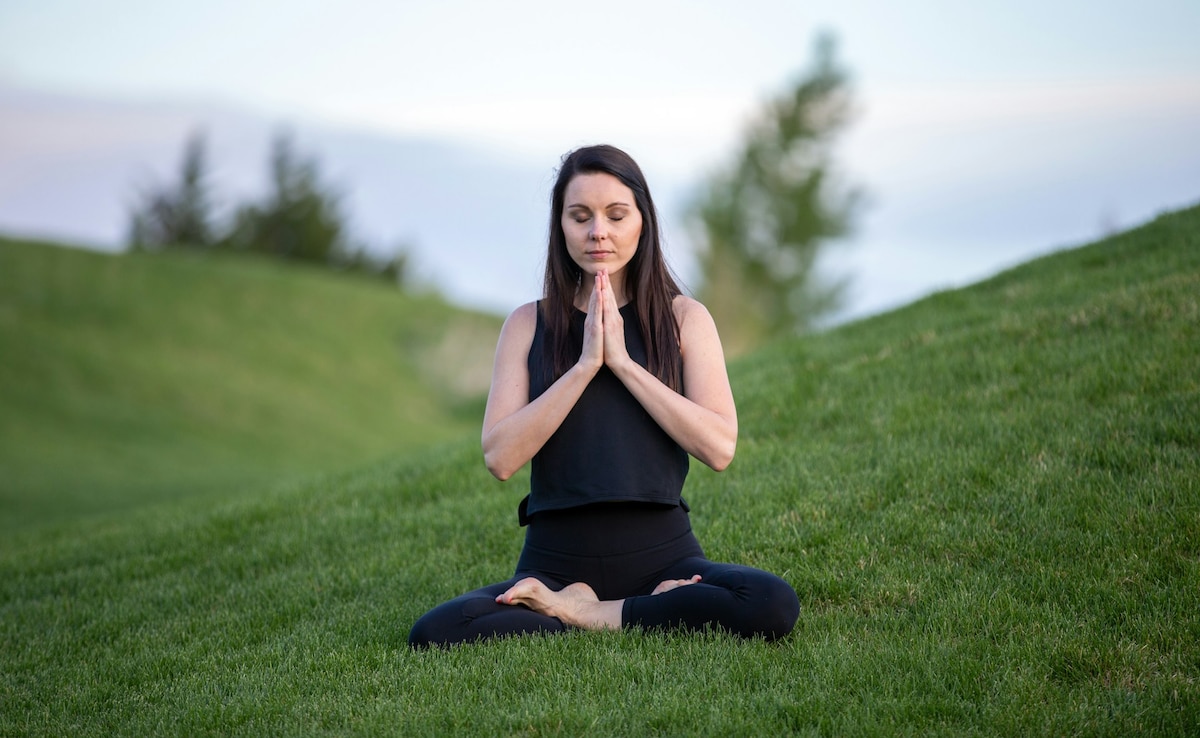
Photo Credit: Unsplash
What Hushpitality Can Look Like In Practice
Hushpitality isn't a single format. It is a philosophy expressed through design, operations, and atmosphere. In top-tier properties, it often takes the form of:
1. Architecture that protects silence
- Thick, insulating materials
- Natural sound buffers like dunes, forests, and cliffs
- Rooms oriented away from social areas
- Limited mechanical hum from appliances or climate systems
2. A different style of service
- Minimal check-in narration
- Staff trained to respect the need for silence
- Scheduled housekeeping instead of knock-based access
- Rooms equipped for self-sufficiency to avoid unnecessary contact
3. Spaces structured around sensory calm
- Libraries, verandas, and nature decks designed for quiet occupancy
- Walking paths that prioritise slow movement and contemplation
- Lounges without televisions or background playlists
- Sunset or stargazing areas where silence is part of the ritual
4. Intentional downtime, not passive boredom
Guests are not told to do nothing. They are encouraged to engage with rest, whether that means journaling, reading, forest bathing, warm-water soaking, or simply existing without performance.
Also Read: Wellness Travel In 2026: 7 Trends That Will Shape Your Next Journey

Photo Credit: Unsplash
Why 'Silence' Is Becoming Expensive
Silence sounds like it should be free, but the truth is, creating reliable quiet costs more than creating spectacle. The price of hushpitality comes from:
- Isolated or low-density land use
- Architecture designed for acoustic performance
- Staffing models that reduce intrusions
- Limited room capacity to keep environments spacious
- High guest-to-land ratios for privacy and natural immersion
Luxury travellers aren't paying for "nothing happening." They are paying for nothing to interrupt what is happening.
Why Hushpitality-Centric Trips And Quietcations Are Becoming Popular
Hushpitality aligns with several long-term shifts:
- Wellness is no longer a niche add-on; it is a primary motivation for travel.
- Digital boundaries and tech-free time are becoming a need, not an indulgence.
- Travellers are rejecting rushed itineraries in favour of depth and absorption.
Even brands not explicitly marketing "hush" experiences are incorporating elements of the philosophy: fewer programmed distractions, more open time, quieter design, and the option to disconnect. If old luxury answered the question "What can I see and do?", hushpitality answers, "How do I want to feel when I return home?" The idea at the heart of hushpitality is simple: Rest is not laziness; it is a resource. And resources, when they feel scarce, gain value.
Hushpitality is still developing, still defining itself, still deciding how to balance solitude, service, and sustainability. But its direction is unmistakable. It signals a future where the most enviable thing about a holiday won't be the rooftop pool or the Michelin dinner - it will be the fact that for a little while, the world stopped shouting. In 2026 and beyond, the loudest thing about luxury may be the choice to turn down the volume.
Track Latest News Live on NDTV.com and get news updates from India and around the world


