
Mountain camping is a wonderful way to take a break from your routine and enjoy nature up close. For beginners, it offers peace, fresh air, and stunning views - but it also needs careful planning. Mountain weather can be unpredictable, trails can be tough, and even small mistakes may lead to discomfort.
That's why first-time campers should focus on preparation, not just the excitement of the trip. Learning basic camping skills, carrying the right gear, and respecting nature can make your experience safer and far more enjoyable.
Here are some beginner-friendly mountain camping tips to help you feel confident, avoid common mistakes, and enjoy a stress-free adventure.
Also Read: Scotland vs Netherlands: Which Destination Matches Your Travel Style?
8 Camping Tips for Beginners
1. Choose a Safe and Suitable Campsite
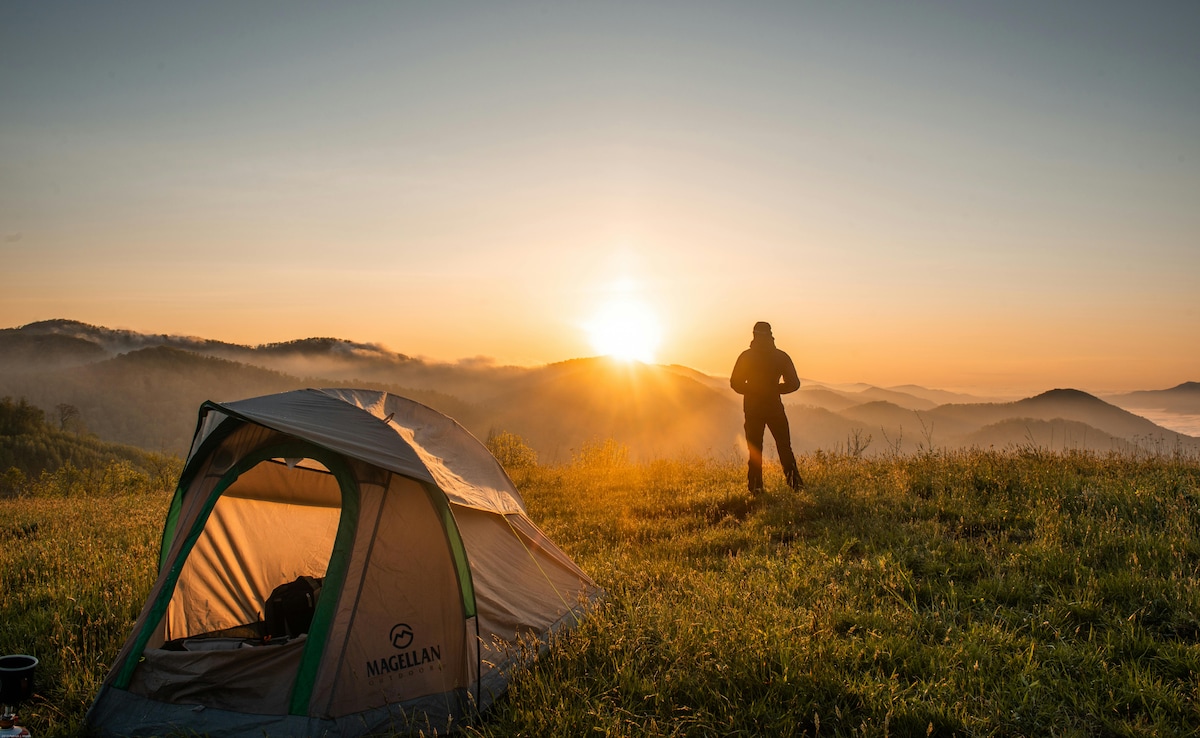
Selecting the right campsite is one of the most important decisions for beginners. Look for flat, stable ground away from cliffs, landslide-prone areas, and riverbanks. Avoid setting up under old or weak trees that might drop branches. A safe campsite makes tent-pitching easier and protects you during bad weather.
2. Pack According to Mountain Weather
Mountain weather can shift from sunny to cold within hours. Carry layered clothing, including thermals and a waterproof jacket. A sleeping bag rated for low temperatures is essential. The right clothing keeps you warm at night and shields you from sudden rain or strong winds.

Photo Credit: Pexels
3. Keep Your Backpack Light and Organised
Overpacking is a common beginner mistake. Carry only the essentials: food, water, a first-aid kit, a torch, navigation tools, and basic cooking equipment. Choose lightweight gear to reduce strain. A lighter backpack helps you save energy, especially on steep trails.
4. Learn Basic Camping Skills Before You Go
Practise simple skills like pitching a tent, using a camping stove, and packing efficiently. Knowing the basics saves time and reduces stress once you reach the campsite. Beginners who practise beforehand feel more confident and handle unexpected situations more calmly.
5. Handle Food Carefully and Stay Wildlife Aware
Store food in sealed containers and keep it away from where you sleep. Do not leave leftovers around the campsite. Learn about local wildlife and follow safety guidelines. A clean campsite reduces the chances of unwanted animal visits and keeps everyone safe.
Also Read: 6 Fascinating Facts About Chapora Fort - Goa's Iconic Dil Chahta Hai Spot
6. Respect Nature and Camp Responsibly
Follow responsible camping practices: avoid littering, don't damage plants, and stay on marked trails. Use designated campsites where possible. Respecting nature keeps mountain areas beautiful and protects them for future visitors.
7. Stay Hydrated and Plan Your Water Use
High altitude and physical activity can lead to dehydration quickly. Carry enough drinking water and identify nearby water sources in advance. Use water filters or purification tablets if needed. Staying hydrated helps prevent fatigue, dizziness, and altitude discomfort.
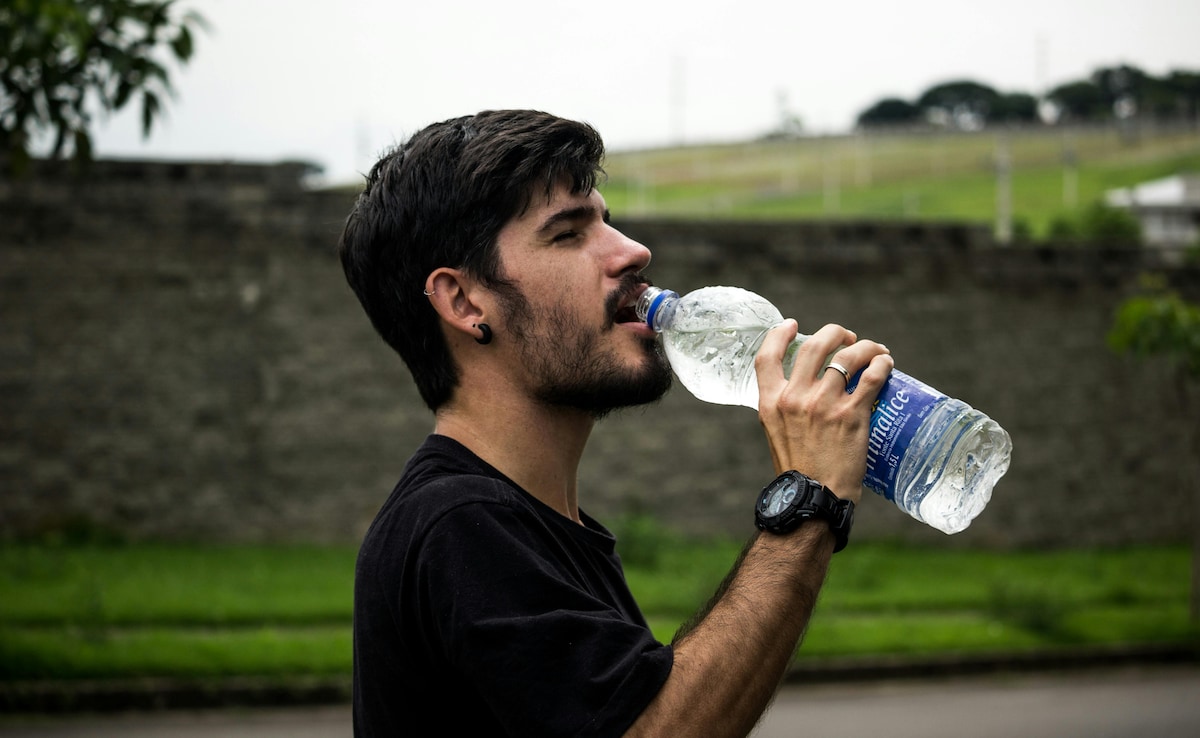
Photo Credit: Pexels
8. Plan Your Route and Inform Someone
Always research your route before your trip. Know the trail difficulty, distance, and how long it typically takes. Avoid shortcuts, especially as a beginner. Inform a family member or friend about your itinerary and expected return time. This adds an important safety layer in case of emergencies.
Frequently Asked Questions (FAQs)
Q1. Is mountain camping suitable for beginners?
Yes. With proper planning, basic skills, and the right gear, beginners can enjoy a safe and rewarding mountain camping experience.
Q2. What is the best time for beginners to try mountain camping?
Late spring and early autumn are ideal because the weather is usually stable and temperatures are comfortable.
Q3. How many days should a beginner camp in the mountains?
One to two days is best for first-time campers. It gives you experience without becoming overwhelming.
Q4. Do beginners need expensive camping gear?
No. You can start with simple, good-quality gear and upgrade as you gain experience.
Track Latest News Live on NDTV.com and get news updates from India and around the world


